Every pool is different. Get a free step-by-step plan for yours.
Get My Free PlanYour levels, like pH and chlorine, should all be in range before anyone gets in the water. But how long does that usually take?
For most chemicals, you only need to wait 20 to 30 minutes before swimming again.
But there are some exceptions, like chlorine shock and calcium hardness increaser. So here’s a quick walkthrough on when it’s safe to swim after adding certain chemicals. Let’s dive in.
An illustrated, step-by-step guide to taking care of your pool yourself. Works for chlorine and saltwater pools.
First, here are the chemicals that don’t require an extra long wait. For these common chemicals, you only need to wait 20 to 30 minutes to swim after adding them to the water:
Be sure to add your chemicals with the pump and filter running so they can circulate. And retest your water between dosing.
Remember, your water chemistry needs to be balanced before swimming. If your pH or chlorine is off, you’re at risk of skin or eye irritation. So make sure your chemistry is balanced before diving in. Finally, when in doubt, always follow the instructions and any recommended wait times on the chemical label.
Okay, there are a few exceptions to the 20 to 30 minute rule. Here are the chemicals that require a longer wait time before jumping back in the water. Again, be sure to add chemicals with the pump and filter running.
If you’re shocking your pool with chlorine, you’ll need to wait at least 8 hours and up to 24 hours before swimming again. Chlorine shock is a highly-concentrated dose of chlorine that can raise your chlorine up to 10 times the normal levels. So you’ll want to test your water after shocking and wait until your free chlorine drops back into range before using the pool again. If you need help with shocking your pool, be sure to check out our other video.
Muriatic acid lowers your pH and alkalinity. Unfortunately, as an acid, its one of the more hazardous chemicals to handle. And it can create hot spots in the water that can burn and irritate swimmers’ skin. So if you’ve just added it to your pool, wait at least 30 minutes to an hour before swimming again. If you want more help safely adding muriatic acid to the water, be sure to check out our other video.
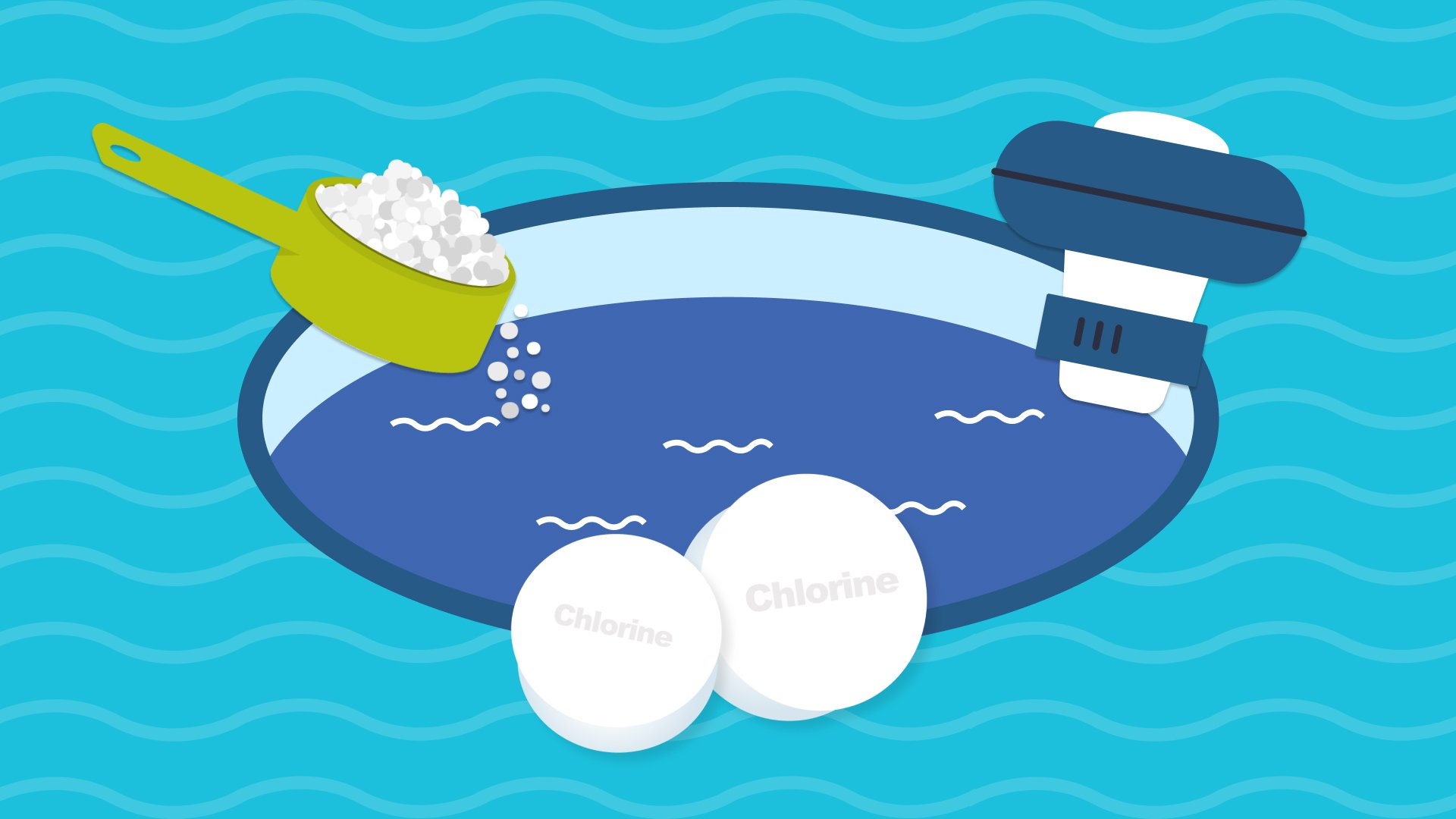
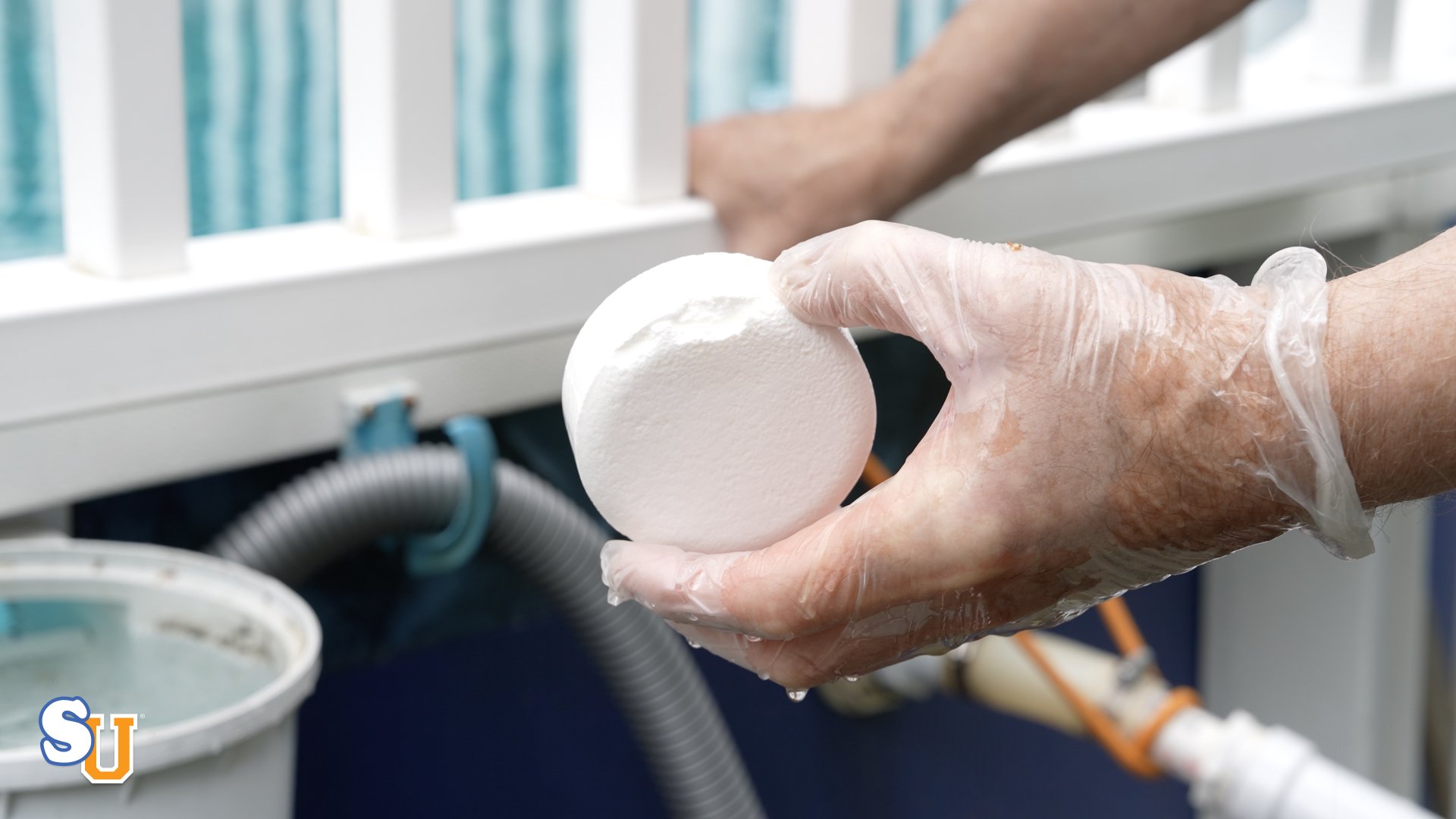
Depending on the size of your pool and how much chlorine you’re adding, you’ll want to wait 2 to 4 hours or until your chlorine levels come into range before swimming again. Your chlorine needs to properly circulate and disperse before swimming again. And you don’t want any concentrated areas of chlorine in the water when you jump in. So run your pump and filter, test your water after a few hours, and wait until your chlorine levels are in range. And depending on your water flow and pool temperature, chlorine tablets may take extra time to dissolve.
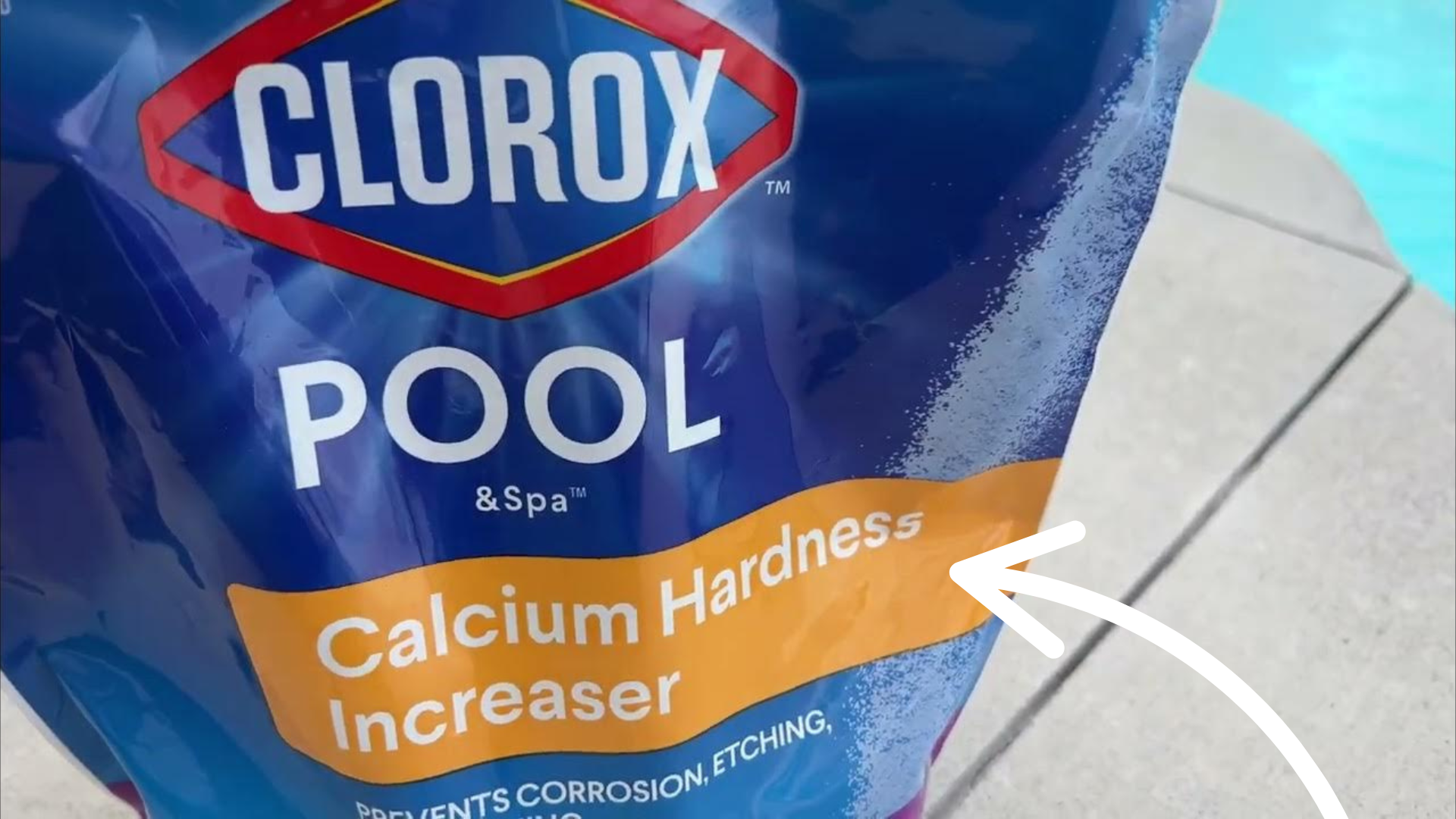
Wait at least several hours or overnight after adding calcium to the water. All of your water should circulate through the filtration system at least once after adding calcium hardness increaser. This helps it get through all of the plumbing and evenly disperse. So the wait time is less about swimmer safety and more about letting the calcium circulate properly. And as it mixes in, you don’t want to affect it with fluctuations in pH caused by swimmers.
Don’t swim with flocculant in the pool. Period. Flocculant works best in completely still water, allowing contaminants to clump together and sink to the bottom of the pool. So wait until the floc has finished working and you’ve vacuumed it all out before swimming again.

A fast-acting formula that drops cloudy water particles to the bottom of the pool so you can vacuum it out. Safe for all pools.
Answer a few questions and we'll tell you what to test, what to add, and when.
Get My Free Plan
Matt is the founder of Swim University. He's been in the pool and spa industry since 1996. His mission is to make pool and hot tub care easy. Each year, he continues to help people with water chemistry, cleaning, troubleshooting, and more.
Whether you’re using tablets, granules, or liquid chlorine, you need to add chlorine to your pool about once a week. So here’s a quick guide...
Learn how to manage and control the calcium hardness in your pool to protect your pool walls, equipment, and prevent scaling.
Did you know you should be adjusting your above ground pool chemicals once a week? Here’s a quick guide on how to test and balance your pool.
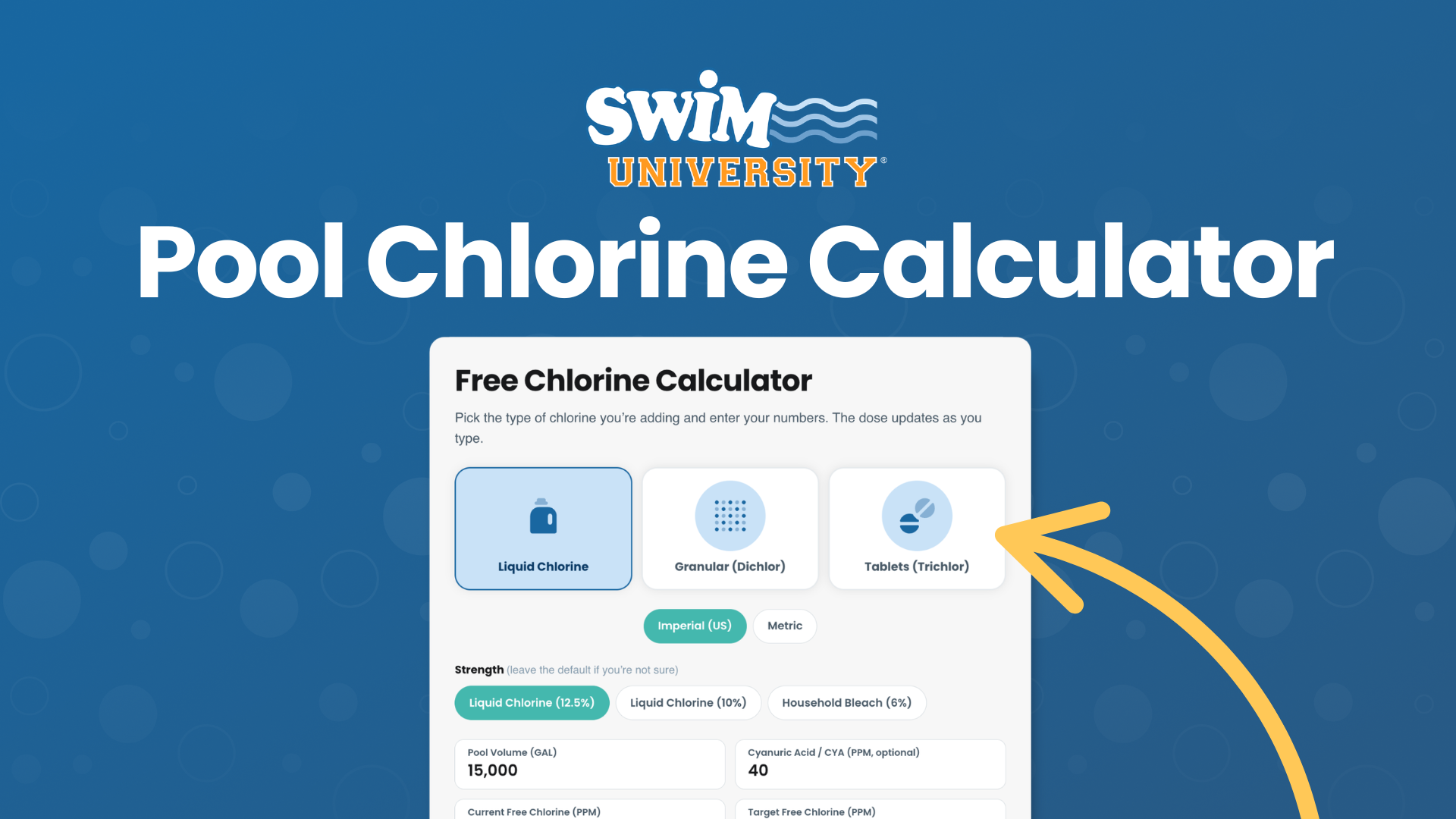
Use our free pool chlorine calculator to get the exact dose for your pool size, CYA level, and product. Balance your water the right way today.
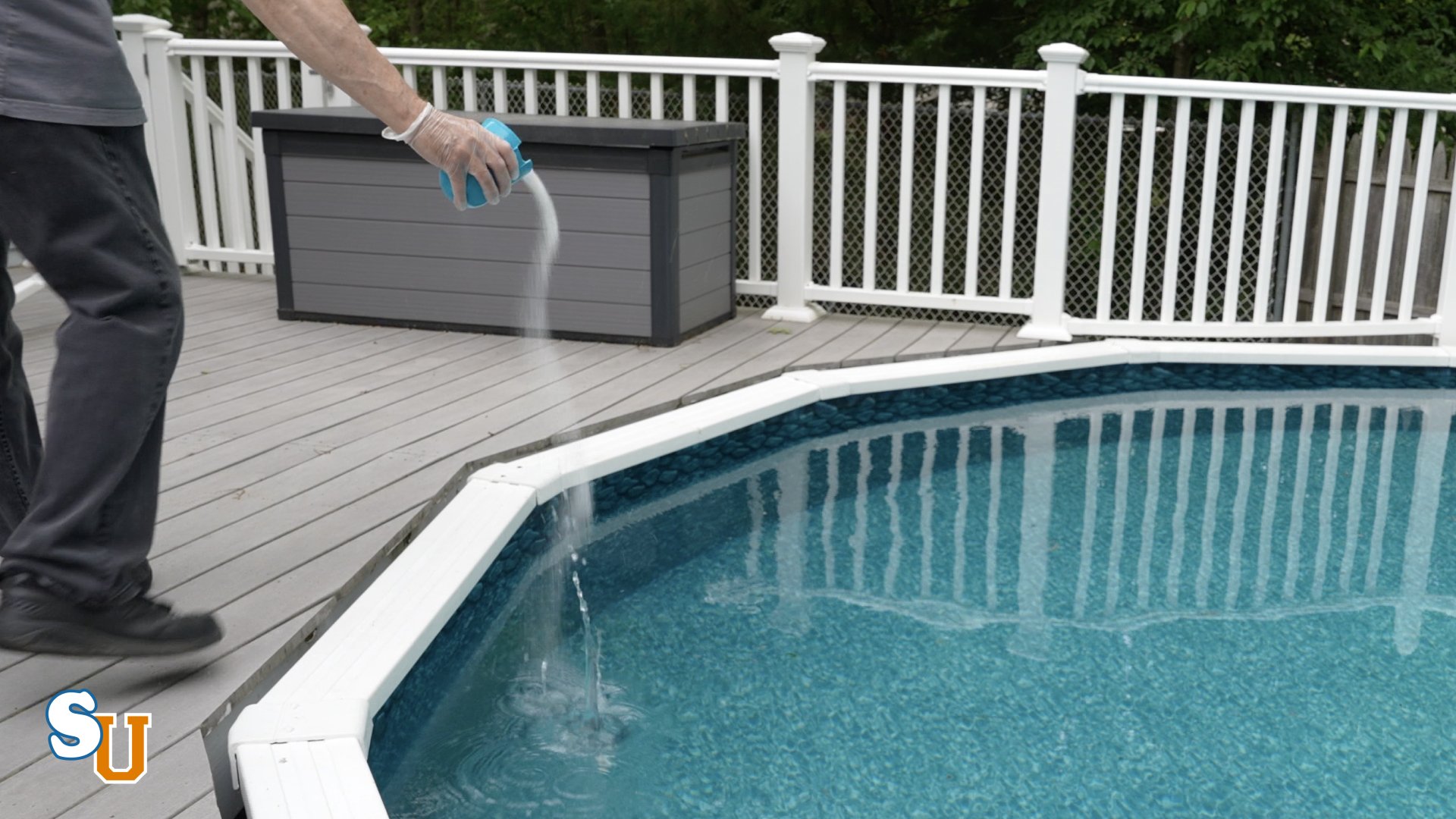
You know you have to add chemicals to your pool, but how much? Here’s a quick guide on how much of each pool chemical you need to add.
How do you know if your pool suffers from chlorine lock or demand? Hint: Only one of them is a valid problem. Find out which one and how to fix it.


