Every hot tub is different. Get a free step-by-step plan for yours.
Get My Free PlanDraining your hot tub for winter will save you energy and money if you aren’t using it. But you’ll need to drain it correctly to protect your spa from damage.
The key to draining your hot tub in winter is to remove all the water from your tub, plumbing, jets, pump, and heater. This involves opening up the unions around the pump, blowing water out of your plumbing with a wet/dry vacuum, vacuuming out water from each jet fitting, and adding antifreeze as an optional layer of protection.
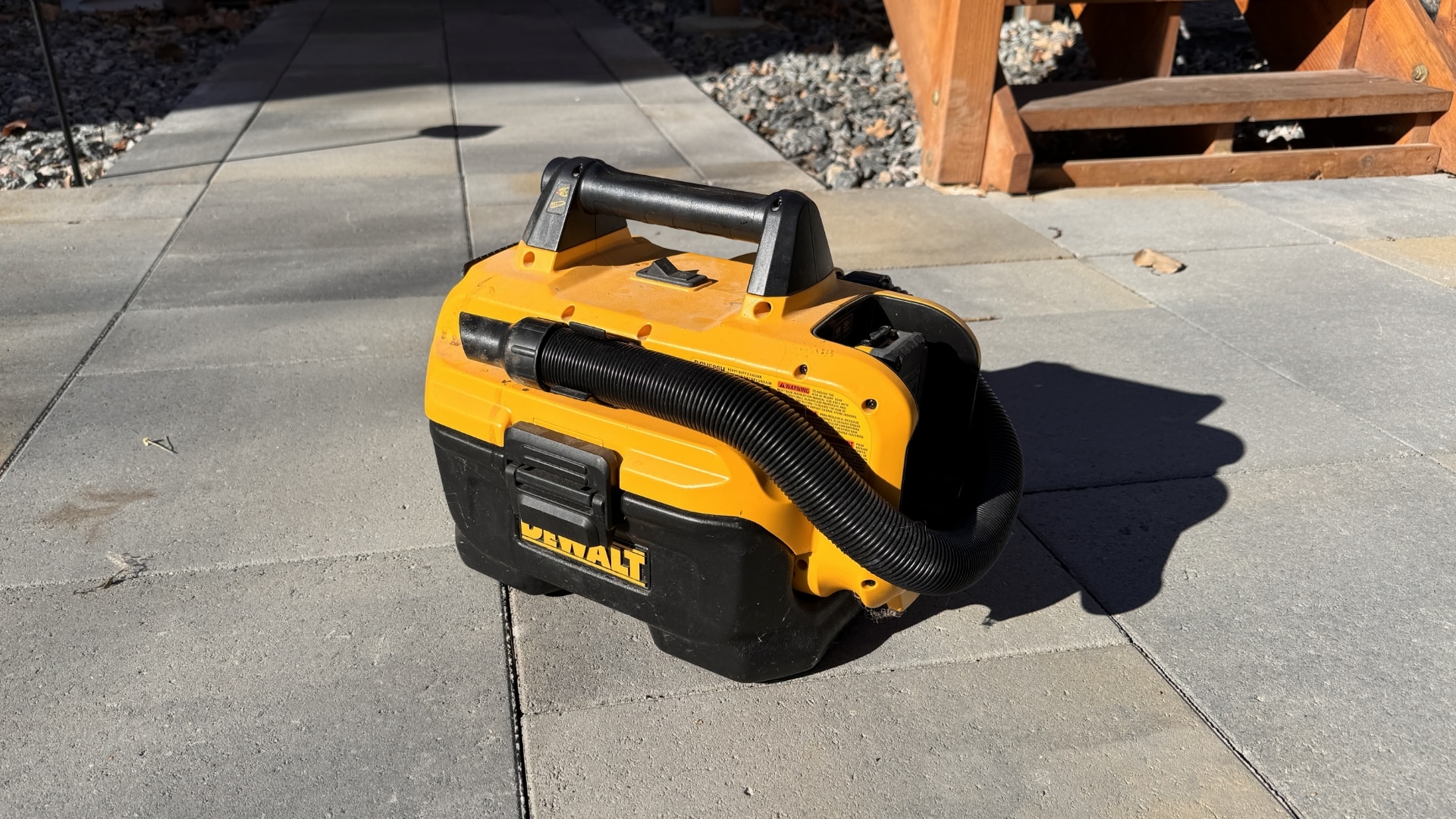
The process takes two to three hours, and you’ll need specific equipment that you may not already own, such as a powerful wet/dry vacuum with a blower function.

Learn our system to keep your hot tub clear while saving money so you can enjoy more soaking time without big costs.
Simply draining your spa in the winter leaves it susceptible to damage from freezing temperatures. When water freezes inside your plumbing, it expands and can crack pipes, damage pumps, and ruin your heater. Even if you’ve drained all of the water from the tub itself, residual water inside your plumbing and equipment can freeze, expand, and crack. Missing even small amounts of water in your system can cause freeze damage that your hot tub’s warranty won’t cover.
The process of winterizing removes water from every area of your hot tub: filter wells, pumps, the heater, internal plumbing, and jet heads. Follow this step-by-step process to make sure you drain your hot tub correctly.
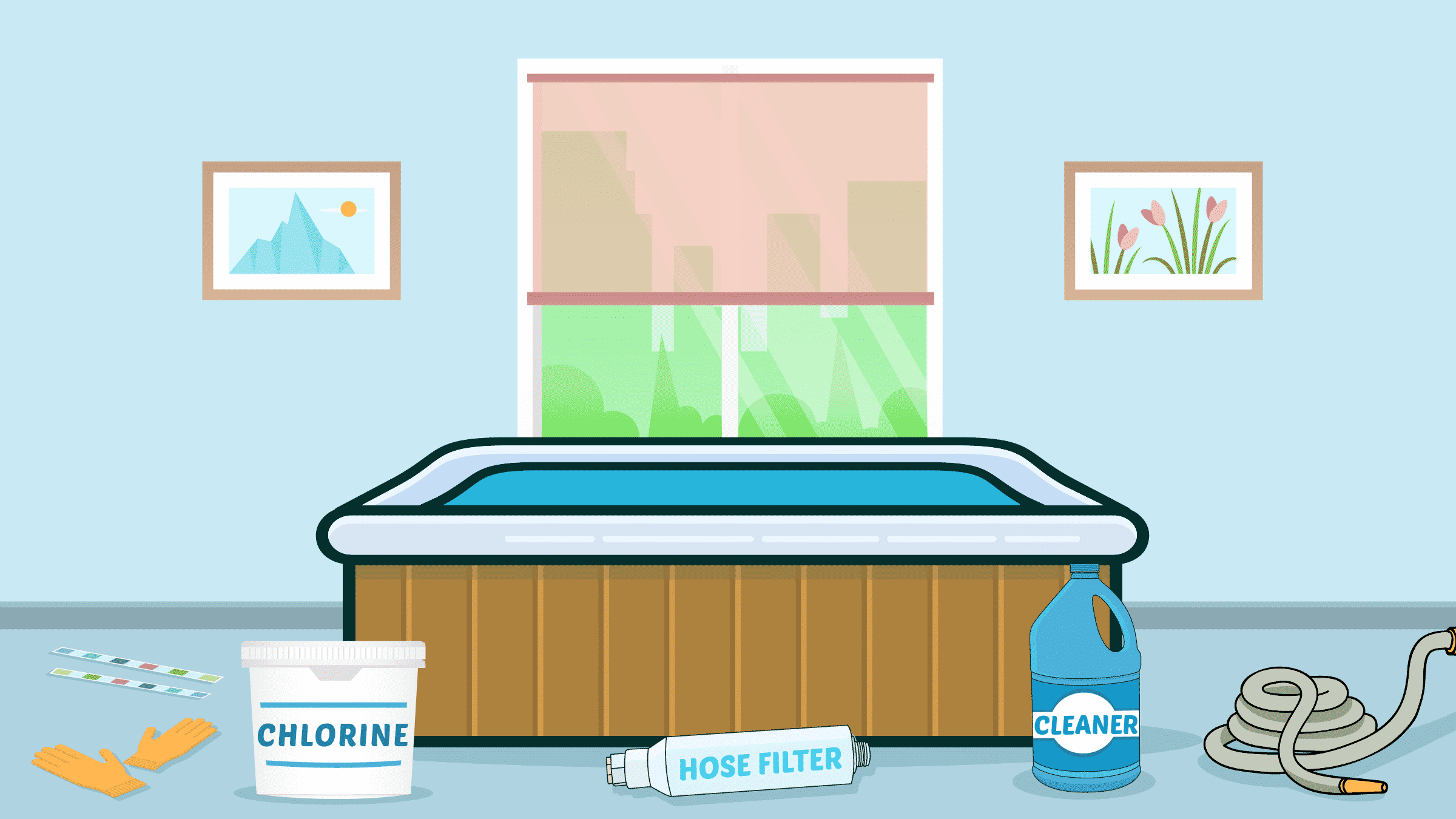
You’ll need your standard cleaning and draining supplies, such as a sump pump, surface cleaner, and a soft cloth. You’ll also need a few extra winterization supplies, like a wet/dry vacuum with at least 5 horsepower (HP) to blow out water from your plumbing lines. Using pool-grade antifreeze is extra insurance against freeze damage, but it’s not necessary. You’ll need:
Start this process when outdoor temperatures are above freezing. You’ll need two to three hours to complete the job, depending on the size of your spa, and you don’t want the water to accidentally freeze while you’re in the middle of your winterization process.
If it’s already freezing outside, you can speed up the process by asking a friend to help, but you still run the risk of water freezing as you work. Otherwise, wait until temperatures are above freezing to avoid any risk of freeze damage as you drain.
Take your time with each step, making sure you don’t leave any water behind. Check your owner’s manual for any model-specific instructions before you begin.
Properly draining and winterizing your spa leaves your spa completely dry. No water should remain in the tub, plumbing lines, pump, heater, or any internal components.
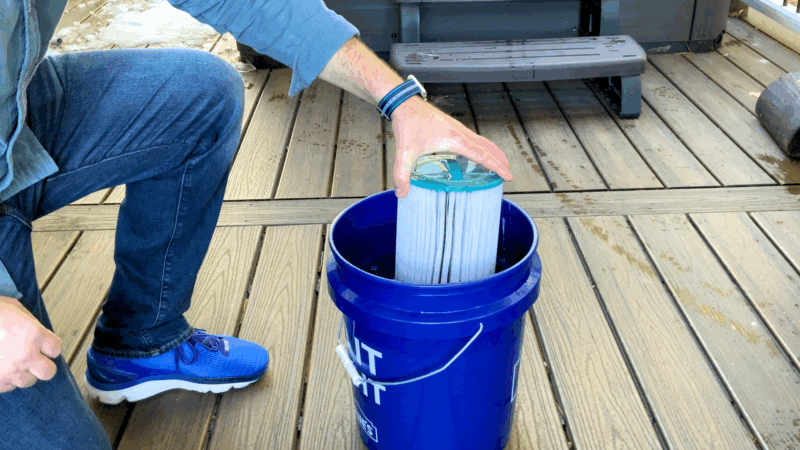
Pull all filter cartridges from their housings. Soak them in filter cleaner solution for 24 hours, and store the cleaned filters in a dry place until spring.
Need help cleaning filters? Check out our How to Clean Hot Tub Filters guide.
Add
For complete line flush instructions, see our How to Clean a Hot Tub guide.
Turn off the power at the circuit breaker. This prevents the spa from turning on during the winterization process.
To speed up your drain time, connect a hose to your drain valve and use a sump pump. After you’ve emptied as much water as possible, use a wet/dry vacuum to suck up remaining water from the foot well. You’ll vacuum again later, but remove as much as you can now.
Some spas have primary and auxiliary drain valves. The primary valve drains the tub itself. After the tub empties, open the secondary valve to drain internal lines.
Once you’ve drained out the water, clean your hot tub shell with surface cleaner or diluted white vinegar. Rinse it with a hose, and vacuum up all rinse water with your wet/dry vacuum.
Clean the top side and underside of your cover. Check out How to Clean a Hot Tub Cover for detailed cover cleaning steps.
You’ll need your wet/dry vacuum for this stage. Open all of your jets completely and set your diverter valve to the middle position, allowing water to flow to all seats and jets. Insert your wet/dry vacuum hose into the filter well and into the filter intake. Switch the vacuum to blower mode. Water should now be spraying from the jets into the tub.
Repeat for each filter well if you have more than one. Continue blowing until no more water sprays out.
Open your equipment access panel and locate the pump and spa pack (also known as the control pack), where your heater is typically situated. Make sure gate valves leading to the pump are open. Loosen the unions on the connecting PVC pipes that lead to the pump, and loosen the unions on both sides of the spa pack.
Using your wet/dry vacuum, vacuum up any water from the pipes, pump, and heater. Remove the drain plugs from your pump. At this point, little to no water should drain out,
Switch your vacuum to suction mode. With the jets open and the diverter valve in the middle position, vacuum water out of each jet fitting. Press the vacuum hose against each jet for 10 to 15 seconds. Move slowly around the entire spa, hitting every jet.
Check the foot well and seats for remaining water. Use your vacuum or an absorbent towel to remove every drop. No visible water should remain anywhere.
Replace the pump drain plug and tighten all the unions by hand. Open all the gate valves to and from the pump and spa pack and close the equipment panel.
Adding pool-grade or marine-grade antifreeze provides an extra layer of protection against freeze damage by preventing any missed water from freezing in the lines.
Pour one gallon (three to four liters) of antifreeze into the filter well. Large spas need up to two gallons (seven to eight liters). Squeeze a small amount of antifreeze directly into each jet fitting or fill a spray bottle with antifreeze and spray into each jet opening.
I recommend buying two gallons regardless of spa size, since running out halfway through causes problems.
Pool-grade or RV/marine-grade antifreeze (propylene glycol) is safe to use in hot tubs. NEVER use automotive antifreeze (ethylene glycol), which is highly toxic and dangerous.

It is safe for use in all potable and seasonal water lines. It protects systems down to -100° F, extreme cold weather, with a No Burst Guarantee.
Add your cover back to your hot tub and use straps or locks to secure it in place. This stops the cover from blowing off in winter winds.
Placing a cover guard or tarp over your hot tub adds an extra layer to keep water from seeping into the drained spa. It also makes snow and ice removal easier if accumulation occurs.
Some hot tubs need extra winterization considerations.
Follow all standard draining and winterization steps, with one additional step: remove your salt cell. Unplug the salt water generator and remove the salt cell for indoor storage. If you see calcium buildup on the metal plates, it means the cell needs cleaning. Soak it in water and
Inflatable spas are simpler to drain and winterize. After draining and thoroughly drying the interior, deflate the spa and fold it for storage indoors. Never leave an inflatable spa set up outdoors in freezing weather, since it can become brittle and crack or tear.
Answer a few questions and we'll tell you what to test, what to add, and when.
Get My Free Plan
Matt is the founder of Swim University. He's been in the pool and spa industry since 1996. His mission is to make pool and hot tub care easy. Each year, he continues to help people with water chemistry, cleaning, troubleshooting, and more.
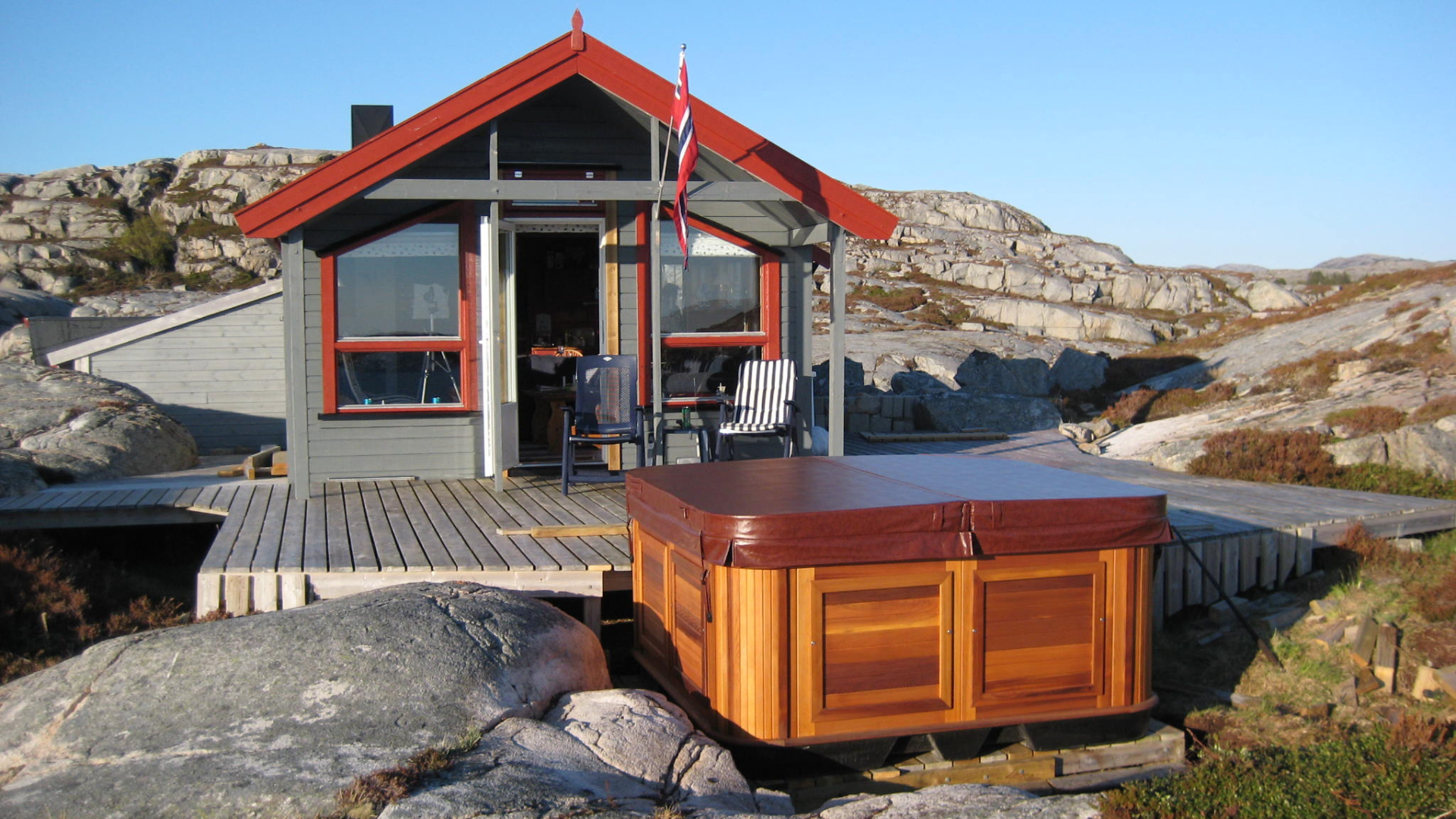
Here are the top-rated hot tub winter covers that prevent heat loss and withstand heavy snow. Compare foam density, materials, and reinforcement options.
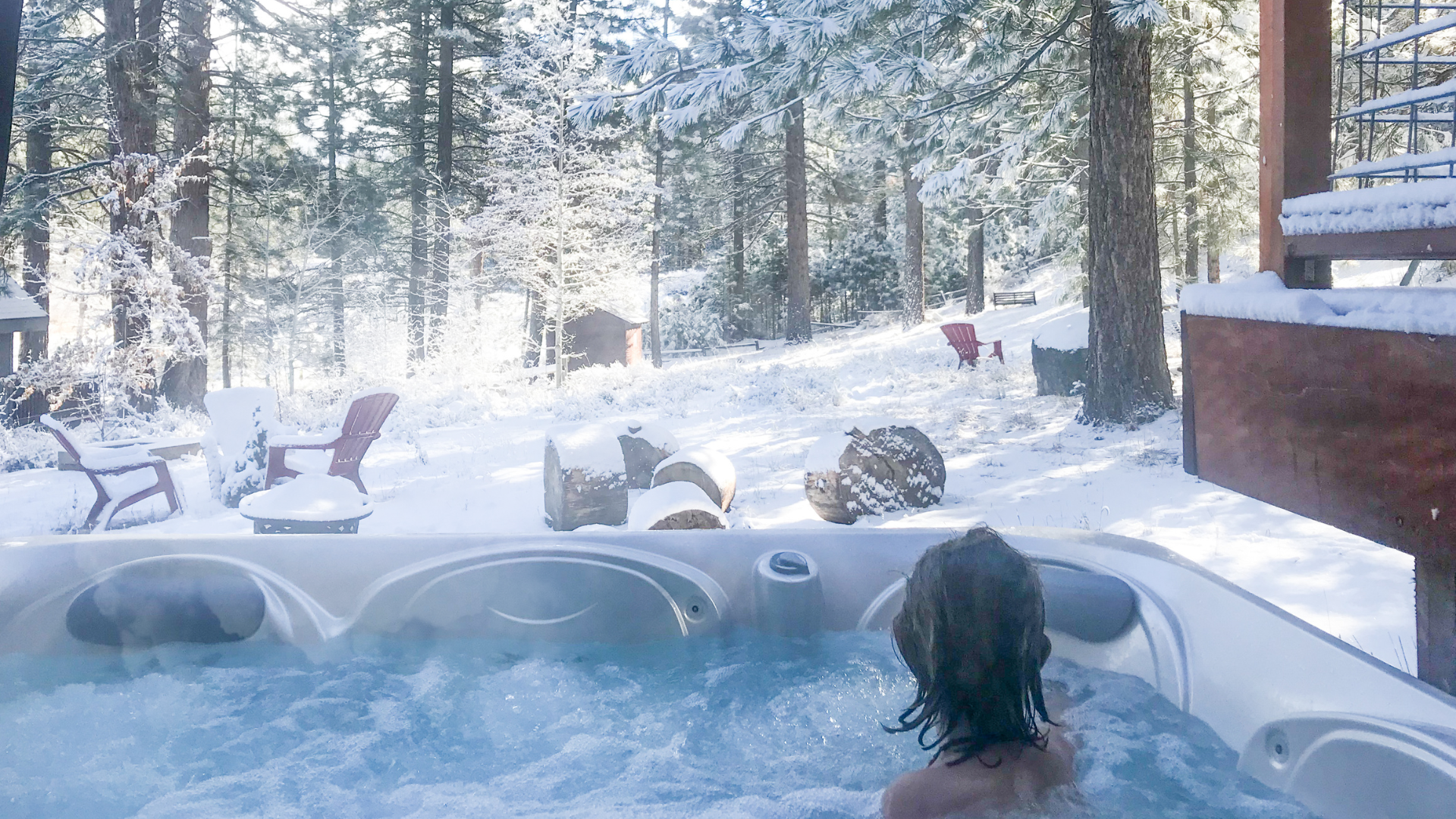
Find the perfect hot tub temperature for winter use based on how often you soak. Avoid freeze damage to pipes and pumps while maximizing energy efficiency.
Learn how to winterize a hot tub properly with this step-by-step guide. Drain, blow out lines & remove all water to prevent freeze damage this winter.
Learn how to keep your hot tub from freezing in winter. Protect your spa from costly freeze damage with these proven prevention methods and tips.

Learn how to maintain a hot tub in winter and avoid damage with freeze protection, temperature settings, cover care, and other essential steps.
Whether this is your first time at the hot tub rodeo or you're a little out of practice, we're here to help you start your hot tub quickly and easily.