


How to Use a Chlorine Neutralizer in Your Pool

If you’ve over-chlorinated your pool, a chlorine neutralizer is one of the fastest options for reducing your chlorine.
Bringing your free chlorine back into range (around 3 PPM) means your water is safe for swimming. But a chlorine neutralizer isn’t your only option to do that, and methods like hydrogen peroxide or letting the sun burn off the chlorine might be more cost-effective.
Here’s how to use a chlorine neutralizer and decide if it’s right for your pool.

This chemical removes chlorine and bromine from swimming pool water.
What Is a Chlorine Neutralizer?
A chlorine neutralizer (usually sodium thiosulfate) rapidly reduces high chlorine or bromine levels in pools and hot tubs. Some are made with sodium sulfite instead of sodium thiosulfate, but works toward the same goal. It works on contact, breaking down the chlorine in your water almost immediately.
How to Use a Chlorine Neutralizer to Reduce Chlorine in Your Pool
Chlorine neutralizers are powerful. A little goes a long way, and too much can backfire. So add a little at a time and retest your water throughout the process if needed.
Step 1: Test Your Water First
Use test strips or a test kit to measure your free chlorine level. This tells you exactly how far out of range you are and how much neutralizer you’ll actually need.
Your target is a free chlorine level between 1 and 3 PPM, with 3 PPM being ideal. If your levels are above 10 PPM, your test may be off the charts. You may need to bring a water sample to the pool store or try adding a little chlorine neutralizer at a time until you get a proper reading.
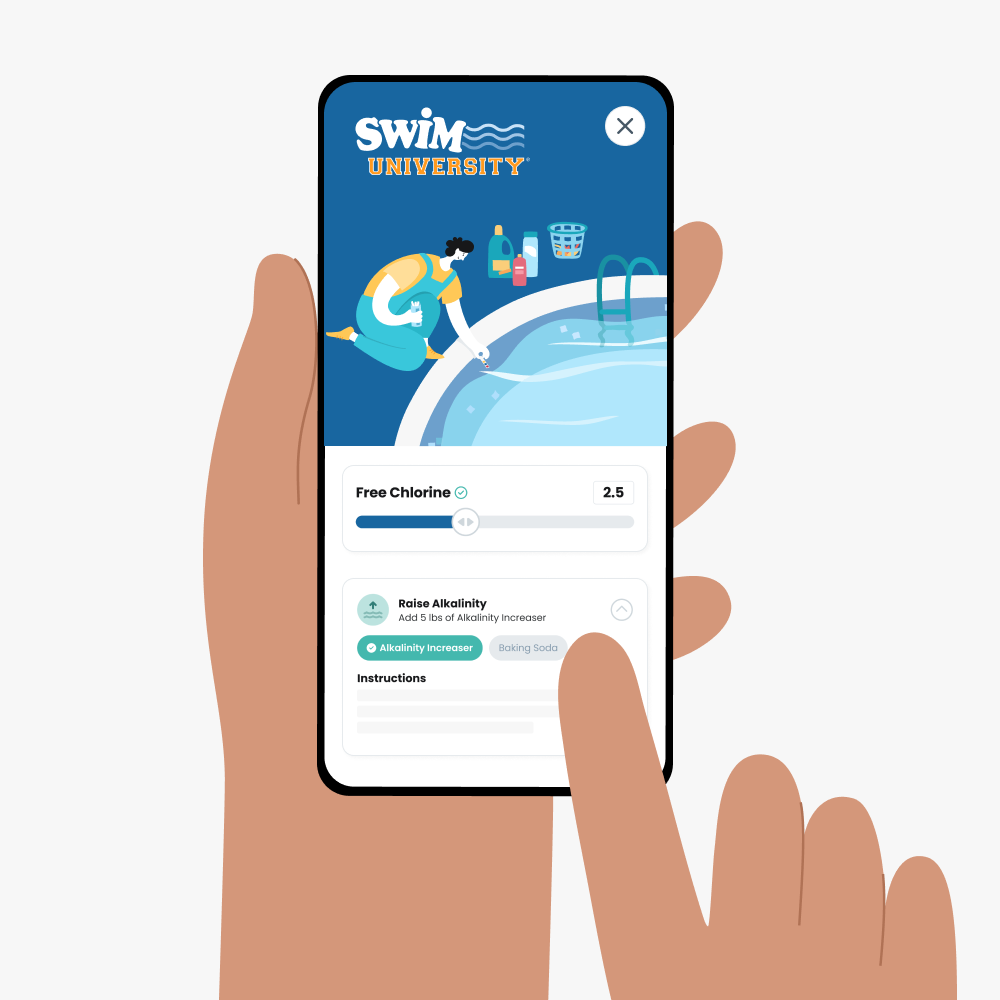
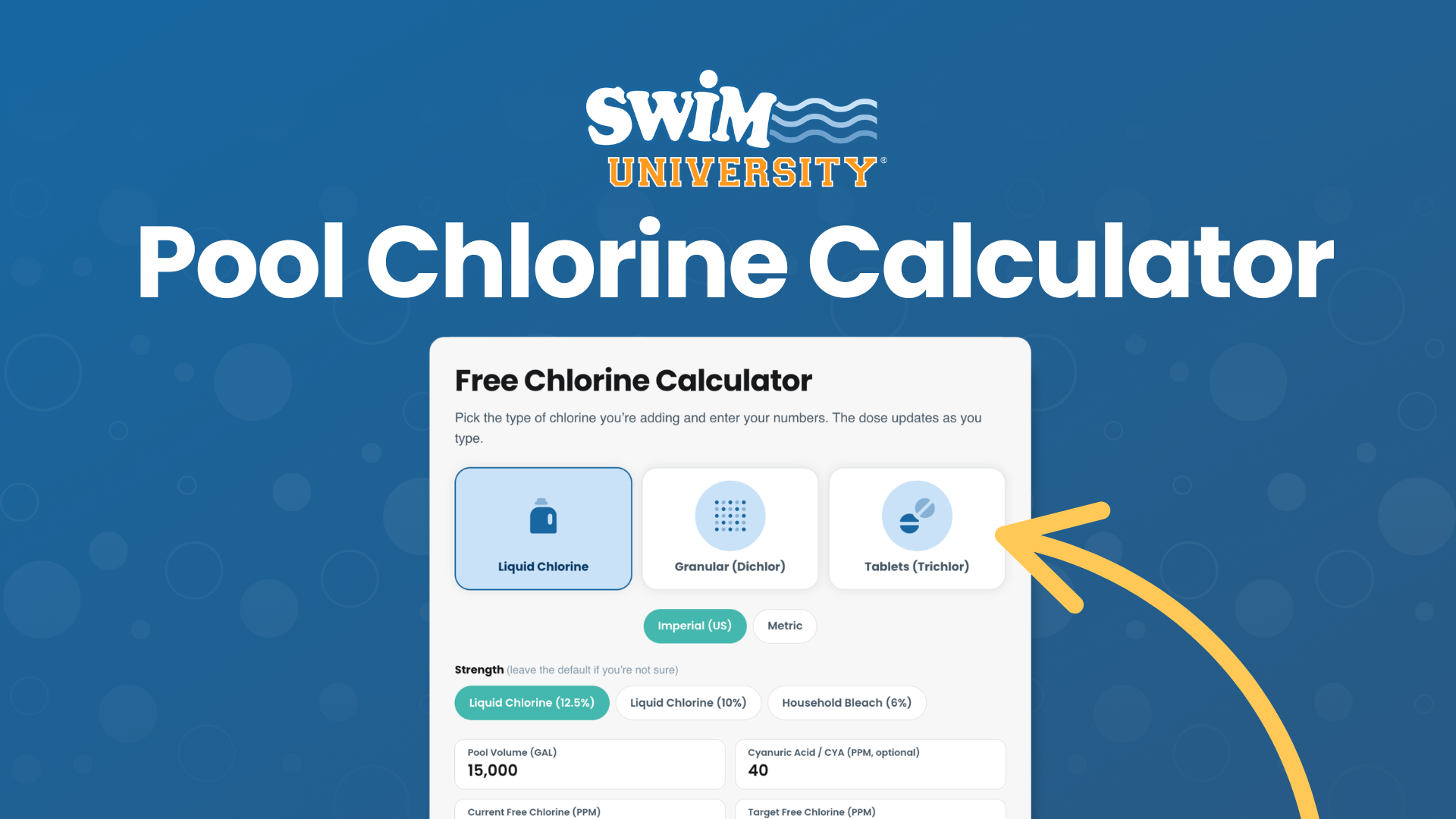
Enter your water test results. Get a custom treatment plan. Know exactly what chemicals to add to keep your pool clear. Saltwater and hot tub compatible.
Step 2: Calculate Your Dosage
The standard dosage for chlorine neutralizer (sodium thiosulfate) is 2 oz per 10,000 gallons (57 g per 37,854 liters) of pool water to lower chlorine by 1 PPM.
For example, if your pool holds 20,000 gallons (75,708 liters) and your chlorine reads 6 PPM, you’d need to reduce it by at least 3 PPM to get within range. That’s 12 oz (340 g) total of chlorine neutralizer.
Don't Overdose on Chlorine Neutralizer
Too much chlorine neutralizer can remove all the chlorine from your pool, leaving it completely unsanitized. Always start by adding a smaller dose, since you can always add more later. If you do overdose, add a dose of chlorine shock to your water to bring your chlorine levels back up.
Step 3: Add the Chlorine Neutralizer With the Pump Running
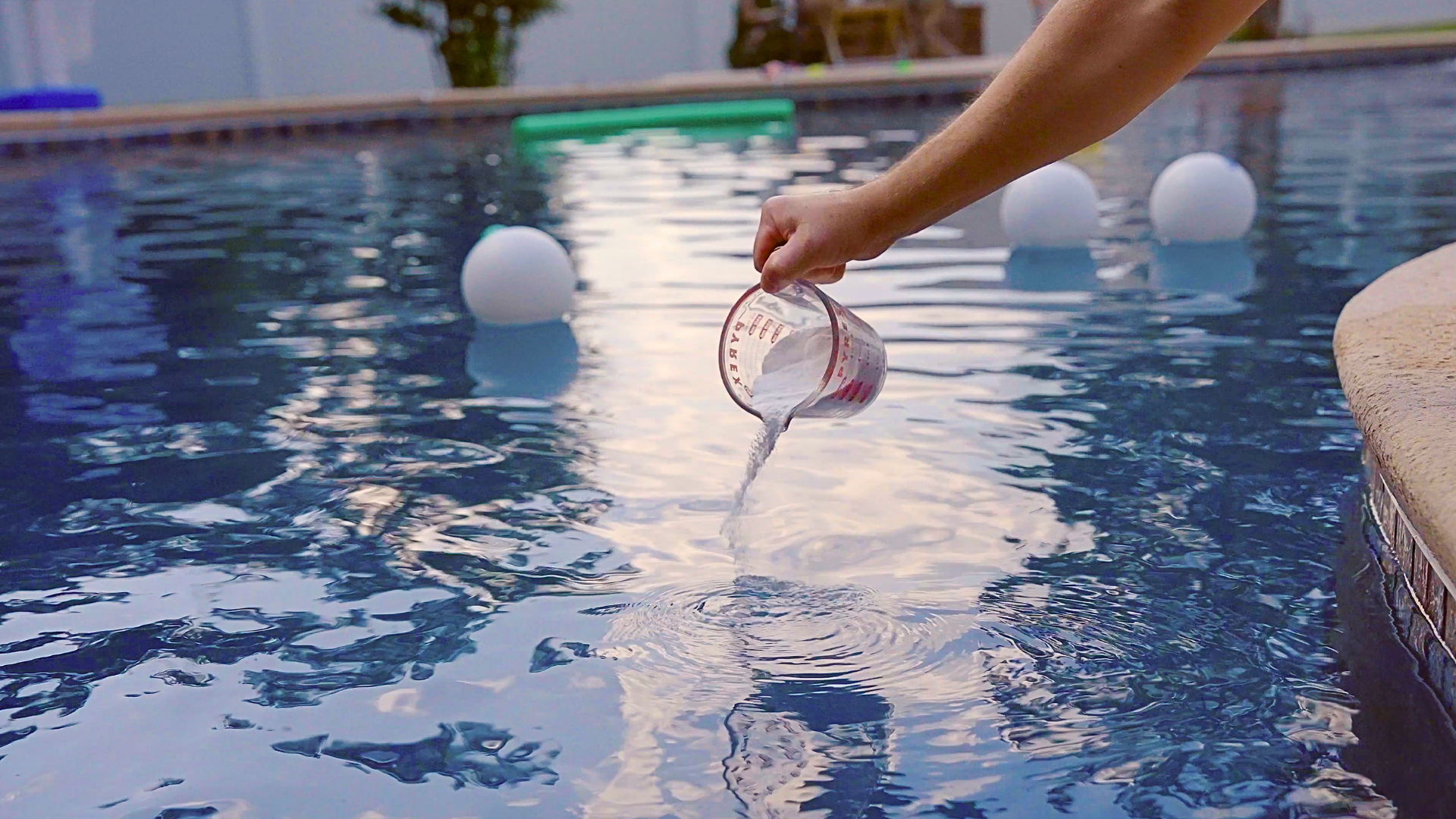
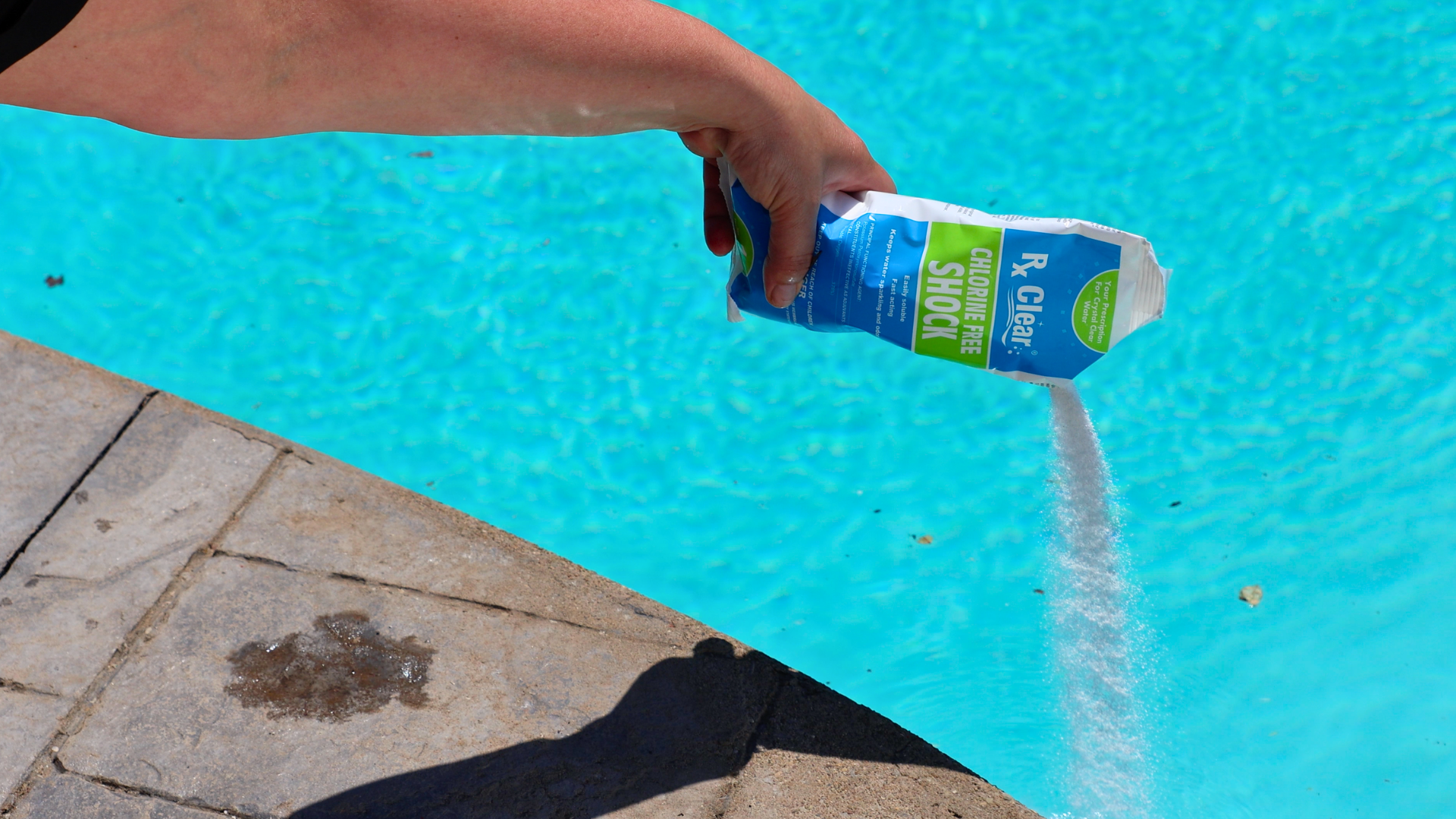
With your pool pump running, sprinkle the chlorine neutralizer granules slowly around the perimeter of the pool. Focus on the deep end where water circulation is strongest.
Do not dump the entire dose in one spot. Spreading it out with the pump running helps the chemical dissolve evenly and circulate throughout the water.
Step 4: Wait and Retest Your Water
Let the water circulate for at least 30 minutes to 1 hour before retesting. Check your free chlorine level again to see where you land.
If it’s still too high, you can add a small additional dose. Repeat testing until you’re in the 1–3 PPM range.
Watch Your Pool's pH Level
Sodium thiosulfate can drop your pH after use. Always retest your pH and total alkalinity after using a chlorine neutralizer and adjust as needed.
Alternatives to Chlorine Neutralizer
In most cases, simply waiting for your chlorine to come down on its own is a better choice than using a chlorine neutralizer. Chlorine naturally dissipates over time, especially with direct sunlight.
If you’re not in a rush, these methods are gentler on your water chemistry and don’t carry the same risk of overcorrecting.
1. Let the Sun Do the Work
This method is free and easy, just slower. A few hours of direct sunlight can reduce chlorine levels by up to 90%. Remove the pool cover, leave the water exposed, and let UV light naturally break down the chlorine. This won’t work as well if you’ve got cyanuric acid (CYA) in the water. CYA is specifically designed to protect chlorine from UV degradation.
2. Dilute With Fresh Water
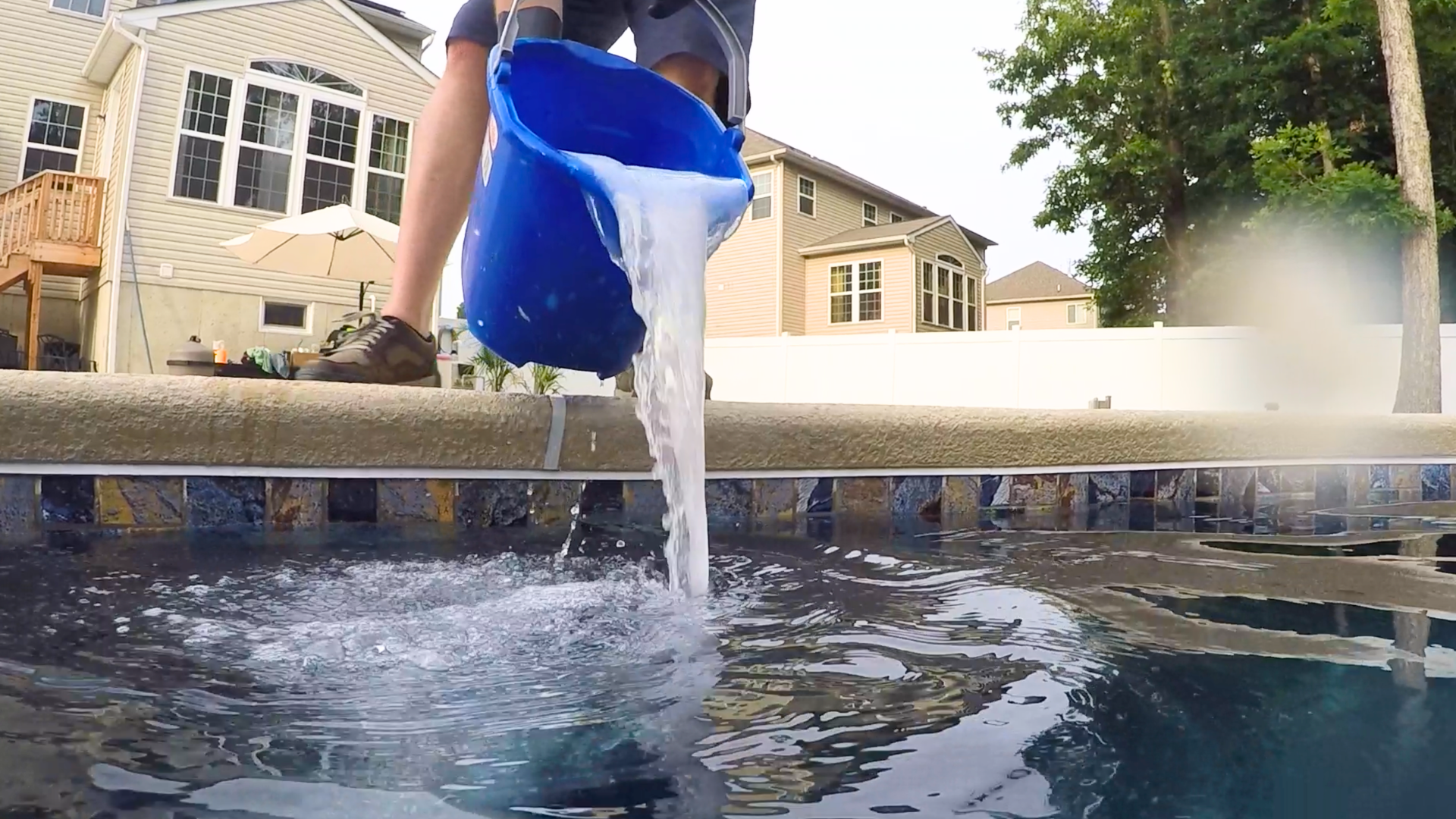
Partially draining your pool and refilling it with fresh water will dilute not just the chlorine but all your chemical levels. This means you’ll need to rebalance your water chemistry afterward. Your pH, alkalinity, calcium hardness, and CYA all need to be checked and adjusted. For minor over-chlorination, this is a solid option. For severe cases, it works best in combination with other methods.
3. Use Hydrogen Peroxide
Pool-grade hydrogen peroxide reacts with chlorine to produce water and oxygen. To lower your chlorine by about 3 PPM, use 7 oz of a 27% hydrogen peroxide formula per 10,000 gallons (or 207 mL per 37,854 liters).
Keep in mind that hydrogen peroxide works best at a pH of 7.0 or higher, and it will drop your pH after use, so retest and readjust when you’re done.
4. Try Ascorbic Acid (Vitamin C)
Ascorbic acid is more commonly used as a pool stain remover, but it can also reduce chlorine levels in a pinch. To lower chlorine by roughly 3 PPM, use a 10-oz dose of ascorbic acid per 10,000 gallons (or 284 g per 37,854 liters).
It’s less commonly used for this purpose, but it’s a useful option to know about, especially if you’re already treating a stain issue at the same time.
Key Takeaways
- A chlorine neutralizer (usually sodium thiosulfate) quickly lowers high chlorine or bromine levels in pools and hot tubs.
- Add the right amount. Use 2 oz of chlorine neutralizer per 10,000 gallons to drop chlorine by 1 PPM.
- Avoid overdosing. Removing all chlorine leaves your pool unprotected against algae and bacteria, and you’ll have to start sanitizing from scratch.
- Watch pH levels. Always test your water before and after using a neutralizer, and check your pH since sodium thiosulfate can lower it significantly.
- Chlorine dissipates naturally. In most situations, waiting for chlorine to naturally dissipate with sunlight and circulation is the safer, easier approach.
- Consider alternatives. Options like hydrogen peroxide, dilution with fresh water, and sunlight exposure can all reduce chlorine without the overcorrection risk of a chemical neutralizer.