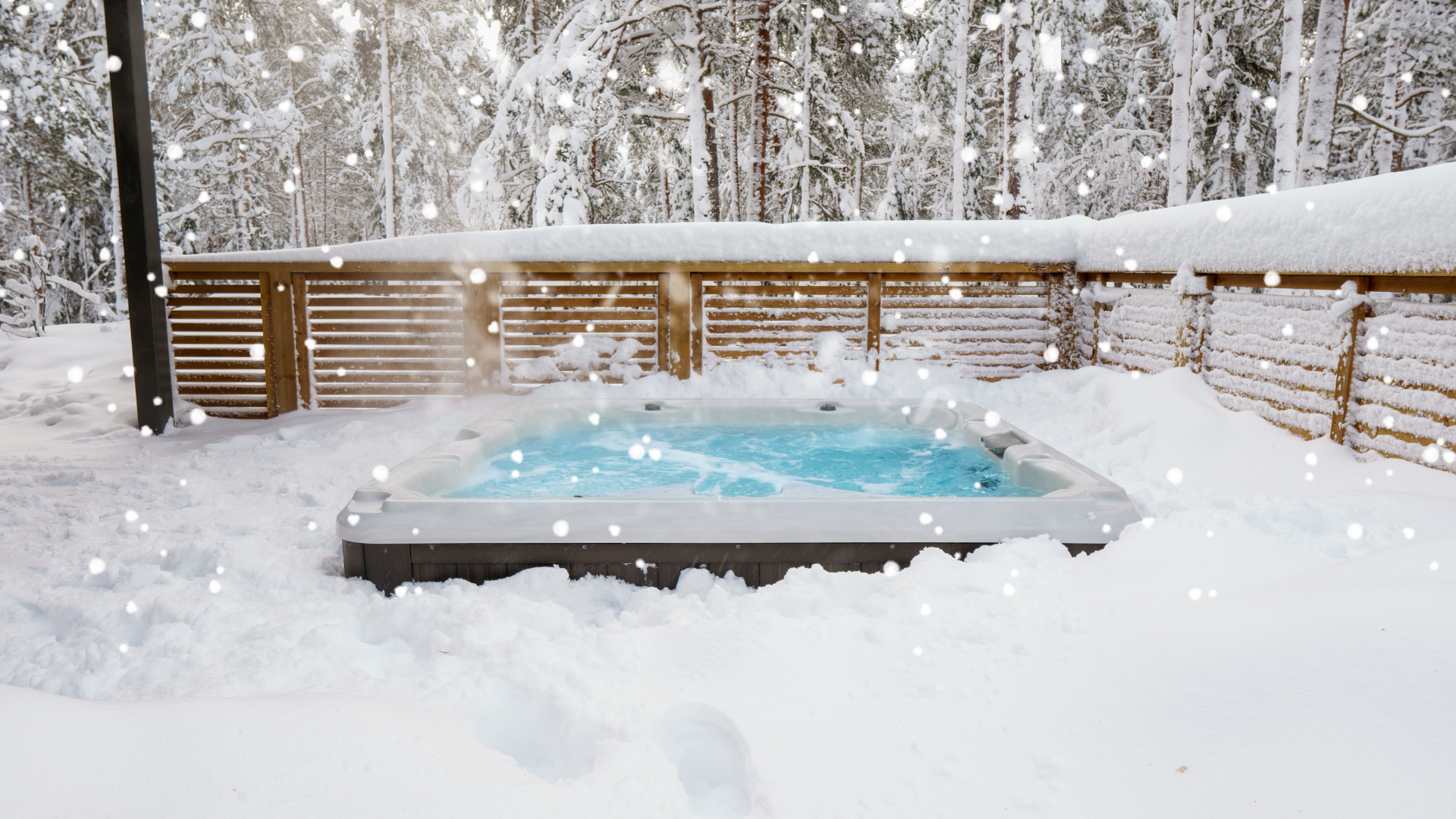



The Best Hot Tub Temperature for Winter Use
 Matt Giovanisci
  February 5, 2026
 Setting the right temperature for your hot tub in winter protects your equipment from freeze damage and saves energy. The ideal temperature depends on how often you use your spa and how cold it gets outside.
If you use your hot tub daily, keep the water temperature between 98°F and 102°F (37°C and 39°C). It takes more energy to heat the water if you use it every day.
If you use your hot tub only once or twice a week, keep the temperature set to at least 80°F (27°C) and increase the heat a few hours before using it. In freezing weather, keep your water heated and circulating, even if you’re not using it, to prevent freeze damage

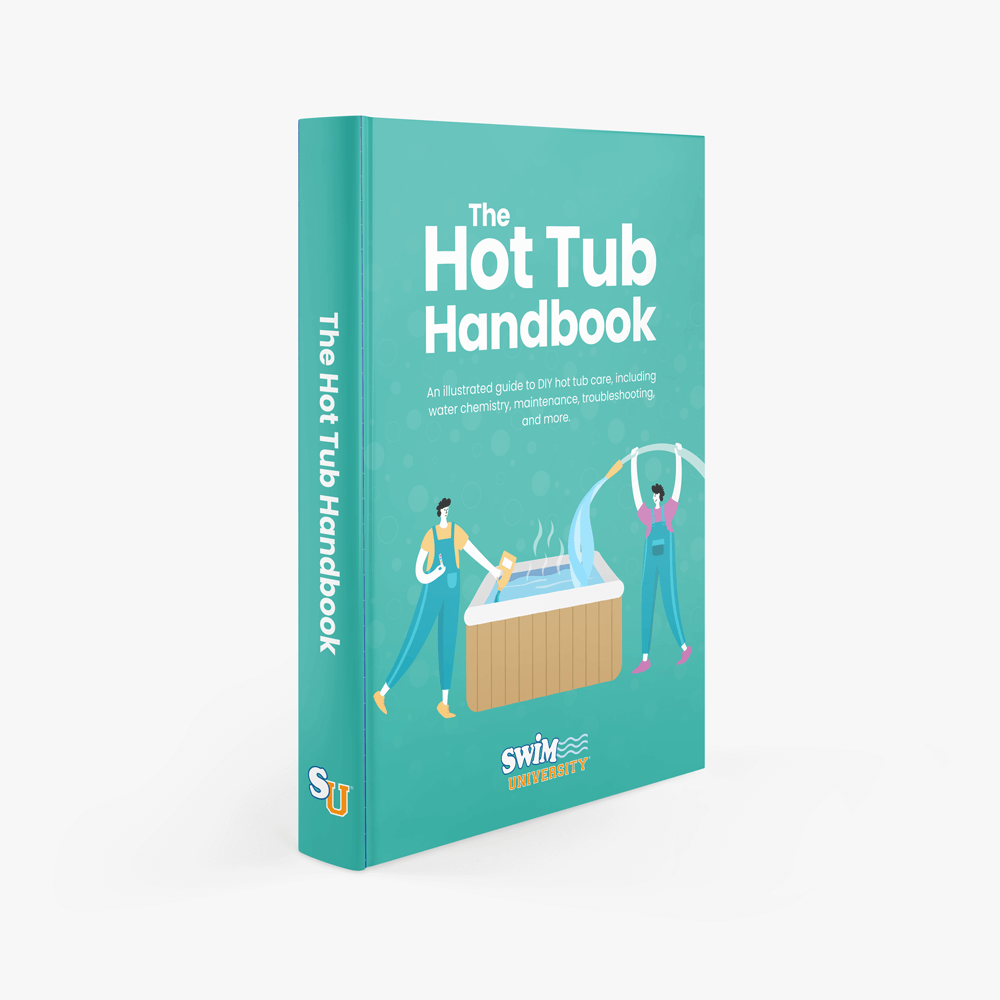
Learn how to keep your hot tub clear while saving money so you can enjoy more soaking time without big costs. The Hot Tub Handbook covers every type of hot tub on earth.
How to Choose Your Hot Tub Temperature Based on Usage
Your hot tub temperature should match how often you plan to soak. The more you use your spa, the warmer you’ll want to keep it. Most hot tubs won’t allow you to set temperatures above 104°F (40°C). This safety limit prevents overheating and protects users from heat-related injuries.
For Daily Hot Tub Use in Winter, Keep the Heat Around Soaking Temperature
Keep water between 98°F and 102°F (37°C and 39°C). It takes more energy to heat your water than to keep it constantly warm. You can lower the temperature by 2°F (1°C) to save up to 10 percent in energy costs while still keeping the water relatively warm.
For Weekly or Occasional Use in Winter, Drop the Temperature to 80°F (27°C)
Set your hot tub to at least 80°F (27°C) if you use it only once or twice a week, and then heat the water a few hours before using your spa.. Maintaining a constant warm temperature uses less energy than repeatedly heating cold water. Your heater works harder bringing water from 50°F to 100°F than maintaining 80°F continuously.
If You’re Not Using Your Hot Tub, Keep it Heated to 80°F (27°C)
Set your temperature to 80°F (27°C) if you’ll be away from the hot tub, or it’s freezing outside. Make sure your freeze protection setting is working if your spa has one. This automatically circulates water when temperatures approach freezing, even if you’re not home to monitor it.
If your hot tub will sit unused for more than four weeks, it’s best to winterize it. Check out our step-by-step guide on How to Winterize Your Hot Tub for more help.
How Hot Tubs Heat Water in Winter
The heating process takes longer in cold weather, and several factors affect heating speed: spa size, heater efficiency, outside temperature, and insulation all impact how long it takes to heat your water. Most hot tubs heat up at 3°F to 6°F (1.5°C to 3°C) per hour.
How Long Does It Take to Heat a Hot Tub in Winter?
Your hot tub will take four to twelve hours to heat from lukewarm to soaking temperature in winter. Colder outside temperatures slow the heating process. Keeping your temperature set to 80°F (27°C) rather than completely cold water reduces heating time significantly (and ultimately saves you energy). Check out our guide on The Cost of Running a Hot Tub in Winter.
Does a Hot Tub Heat Faster with Jets On?
Running your jets doesn’t speed up your hot tub’s heating process. The jets move water through the system quickly, but heating speed depends on your heater’s power output and the outside temperature. Keeping your cover on and running the pump on low speed will help heat the hot tub faster by circulating the water and preventing heat from escaping.
How to Keep Your Hot Tub from Overworking or Losing Heat
Here’s how to use less energy to keep your hot tub warm in the winter:
- Set the temperature to at least 80°F (27°C). Keep your water heated to at least 80°F (27°C) rather than turning your heater off completely. Your heater uses more electricity bringing cold water to temperature than maintaining warm water. It also wears out your heater faster.
- Use economy mode. Economy mode reduces heating cycles during low-use periods and may only run your heater when filter cycles are running. This saves energy without risking freeze damage.
- Keep your hot tub covered and insulated. A well-fitting cover secured with straps prevents heat loss overnight. A floating thermal blanket under your main cover provides extra insulation and reduces condensation buildup.
Should You Leave Your Hot Tub On Overnight?
Yes, leave your hot tub on overnight in winter. Your hot tub is designed to stay on and running. Maintaining a steady temperature overnight costs less than reheating cold water the next day and protects it from freeze damage in the winter. Your spa only needs minimal electricity to maintain the temperature once the water is heated, and the cover will help retain the heat.
Temperature Safety and Comfort Ranges
Not only is setting the right temperature important for your comfort, but it also protects your equipment from freeze damage. Here are important temperature ranges to know:
- 32°F (0°C) water temperature causes freeze damage. This is the danger zone for your plumbing. Water freezes at this temperature and expands, splitting pipes and damaging pumps. This is why it’s so important to keep water heated and circulating in winter.
- 80°F (27°C) is the minimum temperature. At this temperature, chemicals stay active and dissolve properly and your equipment stays protected. Water below this risks chemical effectiveness. It also takes more energy to reheat the water if it’s set at a lower temperature.
- 98°F and 102°F (37°C and 39°C) is the ideal soaking temperature. Water hotter than 104°F (40°C) poses health risks, and most hot tubs won’t allow temperatures above this limit.
Is 104°F (40°C) Too Hot for a Hot Tub?
Water at 104°F (40°C) is the maximum safe limit for hot tub use. Most hot tubs won’t allow you to set temperatures above this point. Using the hot tub for long periods at this temperature can cause overheating.
Is 86°F (30°C) Hot Enough for a Hot Tub?
Water at 86°F (30°C) feels lukewarm rather than hot. While this temperature protects your equipment from freezing, it’s too cool for most people to enjoy soaking. You’ll likely find yourself uncomfortable in water below 95°F (35°C).
Is 90°F (32°C) Too Cold for a Hot Tub?
Yes, 90°F (32°C) is too cold for comfortable soaking. This temperature feels cool to the touch and won’t provide the relaxation benefits of hot water. Most hot tub users prefer temperatures at least 8°F to 10°F warmer than this.
What Temperature Will Hot Tub Pipes Freeze At?
Hot tub pipes freeze at 32°F (0°C), especially when water stops circulating. When stagnant water in your plumbing freezes and expands, it can split pipes and damage your pump and heater. Keep your water heated and circulating continuously when outside temperatures drop below freezing. For more help protecting your pipes from freezing temperatures, check out our guide on How to Keep Your Hot Tub from Freezing.
Key Takeaways
- Set your temperature between 98°F and 102°F (37°C and 39°C) for daily use, or at least 80°F (27°C) for weekly use.
- Keep your hot tub on overnight in winter since maintaining a steady temperature costs less than repeatedly heating cold water
- Hot tub pipes freeze at 32°F (0°C), so always keep water heated and circulating when outside temperatures approach freezing. Use your freeze detection setting.
- Most hot tubs won’t allow temperatures above 104°F (40°C), and water below 95°F (35°C) feels too cool for comfortable soaking.
- Your spa takes four to twelve hours to reach soaking temperature, depending on outside conditions.
3 Ways We Can Help With Your Hot Tub
- Hot Tub Cheat Sheets (Free): Easy-to-use guides to help you keep your hot tub water balanced and sanitized.
- The Hot Tub Handbook: An illustrated guide to DIY hot tub care, including water chemistry, maintenance, troubleshooting, and more.
- The Hot Tub Care Course. You’ll get step-by-step videos and a step-by-step downloadable guide with everything you need to know about hot tub maintenance.