Every hot tub is different. Get a free step-by-step plan for yours.
Get My Free PlanYour hot tub cover is the first line of defense against harsh winter weather. A quality winter cover prevents heat loss, withstands heavy snow, and protects your hot tub’s structure from damage.
Here’s what to look for when buying a cover, and which brands I recommend.

Learn our system to keep your hot tub clear while saving money so you can enjoy more soaking time without big costs.
A standard hot tub cover works fine in mild climates. But a sturdy winter cover needs to handle snow accumulation, freezing temperatures, and ice damage. The right winter cover also needs thick insulation to trap heat and weatherproof materials that won’t crack or tear in freezing conditions.
Before you shop for a cover, you need to know what dimensions you need. Here’s a quick guide on how to measure a hot tub cover correctly if you need help.
A cover with a higher-density foam core retains heat better and won’t sag under heavy snow. Look for foam that’s 4 to 6 inches (10 to 15 centimeters) thick.
Tapered covers are best for outdoor use. The center is thickest and slopes down to the edges, so snow and water roll off instead of pooling on top. Check out these options at The Cover Guy.
Some manufacturers list an R-value to measure insulation. But this isn’t consistent across brands, so focus on foam thickness and density instead.
Marine-grade vinyl is the standard outer material for most covers and handles most typical weather conditions. But vinyl fades and tears over time, especially in harsh sunlight and freezing temperatures.
Consider upgrading to a cover made from weather-resistant polyester fabric (like WeatherShield). This resists staining, handles UV exposure better, and lasts significantly longer. You’ll pay more upfront but replace your cover less often. Many manufacturers like Master Spa are promoting these types of covers.
If you do purchase a vinyl cover, look for one that is UV-protected and mildew-resistant.
Without the right reinforcement, your cover will sag or even collapse under heavy snow. High-quality covers use galvanized steel bars near the center to reinforce the cover.
Basic covers have one or two support beams. Premium covers have multiple bars spaced throughout the foam. More reinforcement means better protection against weight, so choose your reinforcement based on how much snow you get.
A thick, well-sealed vapor barrier prevents moisture from reaching the foam core. Without proper protection, steam and evaporation can seep into the foam core, making your cover waterlogged and heavy.
Look for covers with a double vapor barrier. This means two layers of plastic wrap around your foam core. If your current cover feels heavy or smells musty, the vapor barrier might need to be replaced.
Adding a few accessories, like a floating thermal blanket, a cover cap or tarp, and wind straps, can help protect your hot tub cover from damage and prevent heat loss.
Adding a floating thermal blanket to the surface of your water helps reduce heat loss and protects the underside of your cover from chemical and ozone damage.
Floating blankets also decrease condensation buildup. This fights mildew and prevents your cover from becoming waterlogged. Use both a thermal blanket and your main cover together for maximum protection in cold climates.

A great cover to help keep the water warm. Using it regularly also helps maintain your water chemistry levels. They are easy to install by cutting the cover to the shape of your spa or hot tub with scissors if it is irregularly shaped.
A cover cap or tarp protects the vinyl from snow accumulation and adds extra warmth. It also makes snow removal easier since you can brush off or remove the cap or tarp without touching your main cover. Both options extend your main cover’s life by shielding it from harsh winter weather.

This hot tub cover is crafted from water-resistant polyester with reinforced seams, designed to remain secure even in high winds, thanks to its auto-locking drawcord and elastic hem.
Strong winds can lift or damage your cover even when latched. Wind straps secure your cover to your spa cabinet with adjustable buckles. Most covers include basic closing tabs and locking straps, but add separate wind straps if you live in an area with frequent high winds.

Protect your hot tub cover over the winter by securing it with wind staps and locks.
Even the best winter cover needs regular maintenance. Here’s how to care for your cover:
If you think your cover is waterlogged or you need more help with the cleaning process, check out our complete guide: How to Clean a Hot Tub Cover.
Answer a few questions and we'll tell you what to test, what to add, and when.
Get My Free Plan
Matt is the founder of Swim University. He's been in the pool and spa industry since 1996. His mission is to make pool and hot tub care easy. Each year, he continues to help people with water chemistry, cleaning, troubleshooting, and more.
Whether this is your first time at the hot tub rodeo or you're a little out of practice, we're here to help you start your hot tub quickly and easily.

Learn how to safely fill your hot tub during the winter months. Discover the right temperature timing, freeze prevention tips, and instructions.
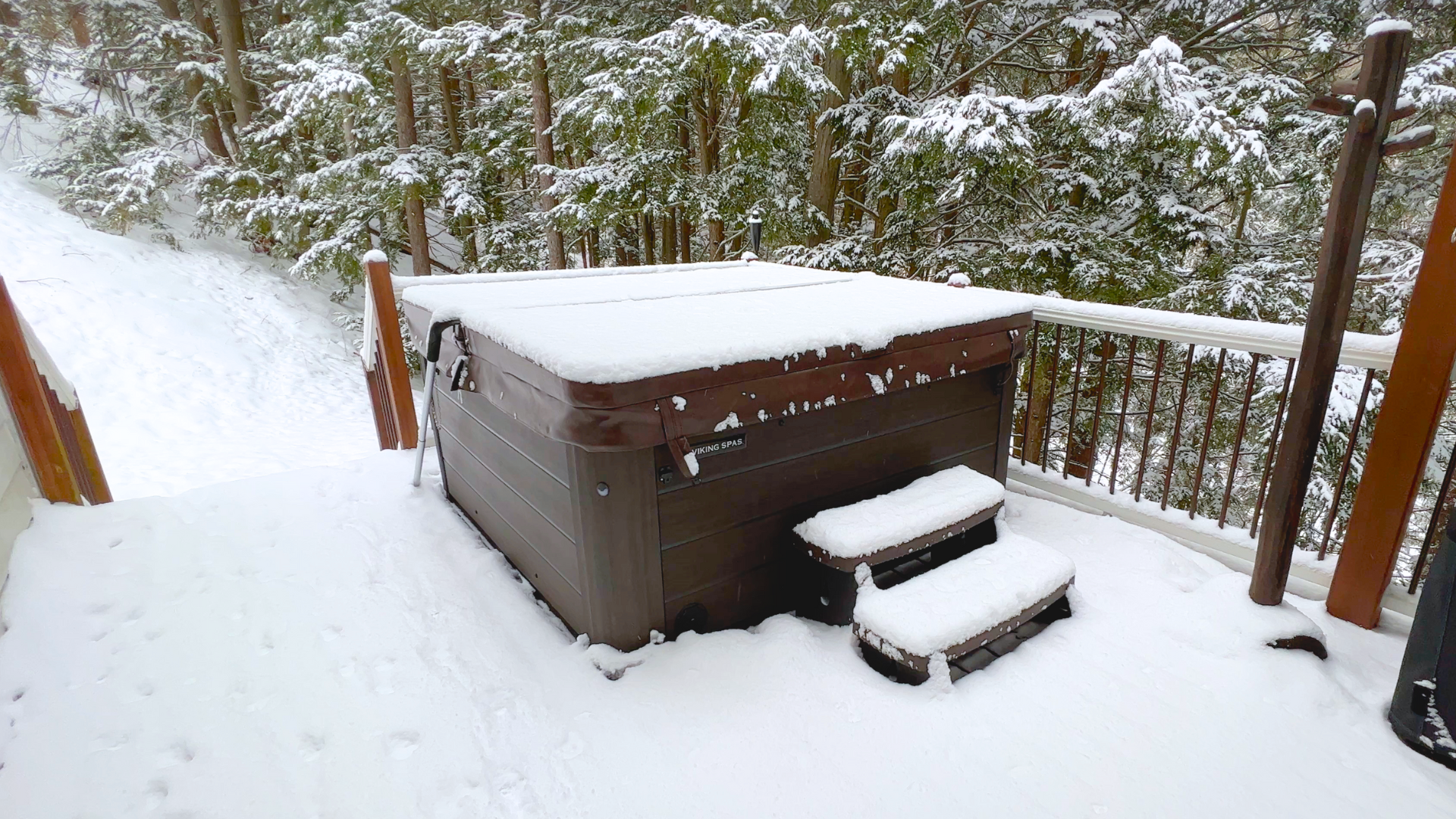
Should you empty your hot tub this winter? Learn freeze protection strategies, power outage risks & winterization steps to avoid expensive damage.
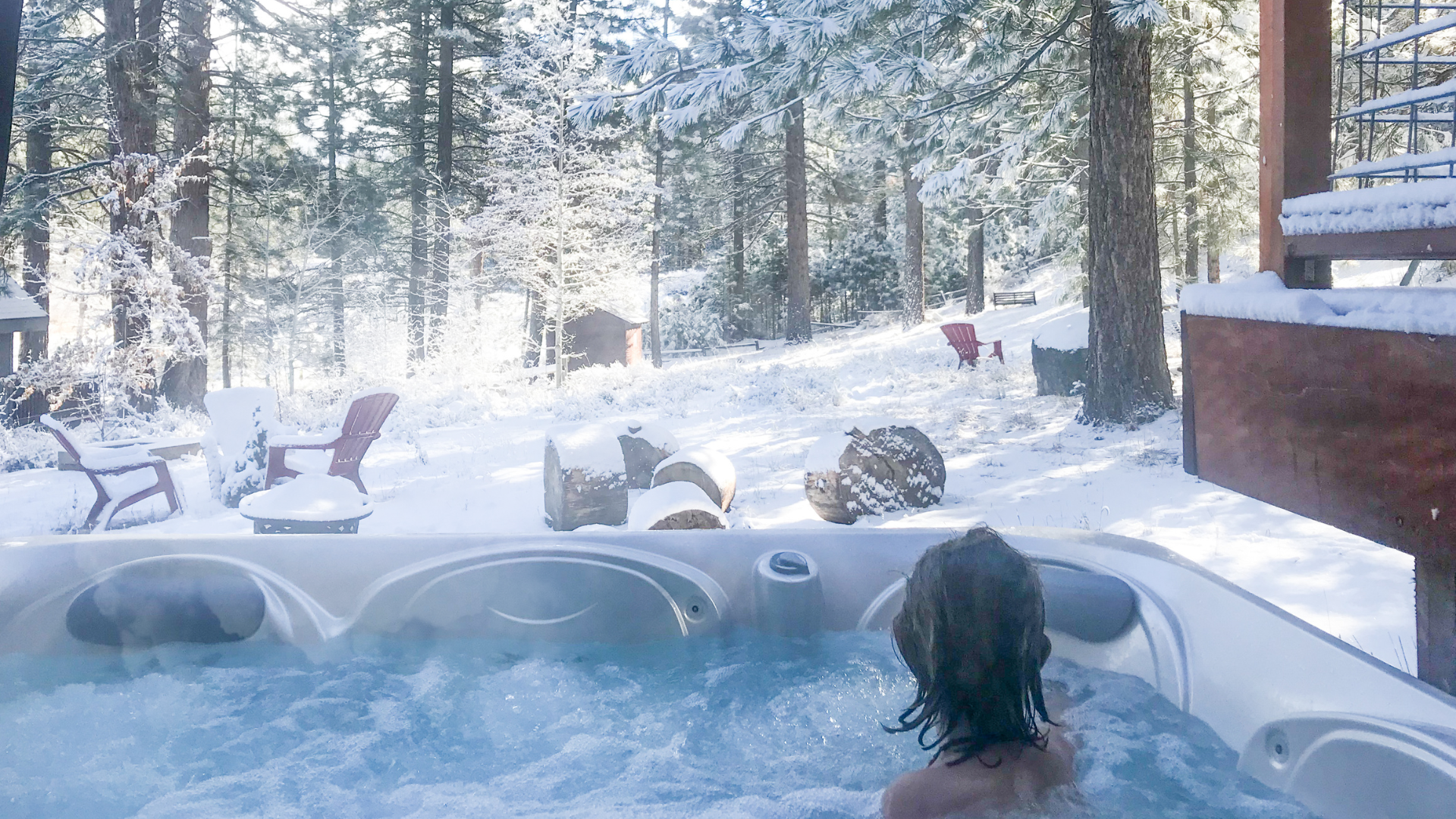
Find the perfect hot tub temperature for winter use based on how often you soak. Avoid freeze damage to pipes and pumps while maximizing energy efficiency.

Learn how to maintain a hot tub in winter and avoid damage with freeze protection, temperature settings, cover care, and other essential steps.
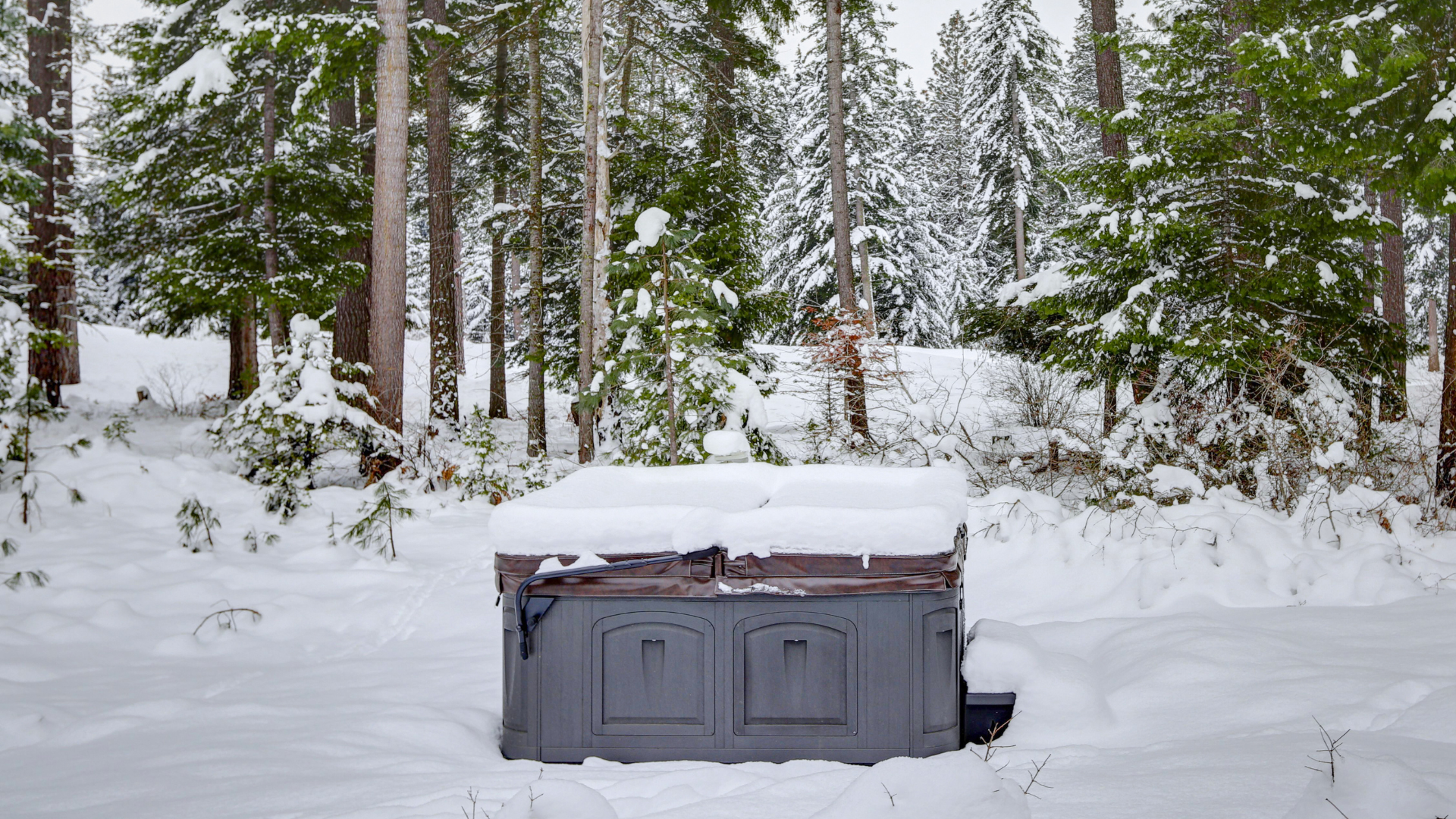
Learn how to winterize a hot tub properly with this step-by-step guide. Drain, blow out lines & remove all water to prevent freeze damage this winter.


