

The Best Pool Shock for Salt Water Pools

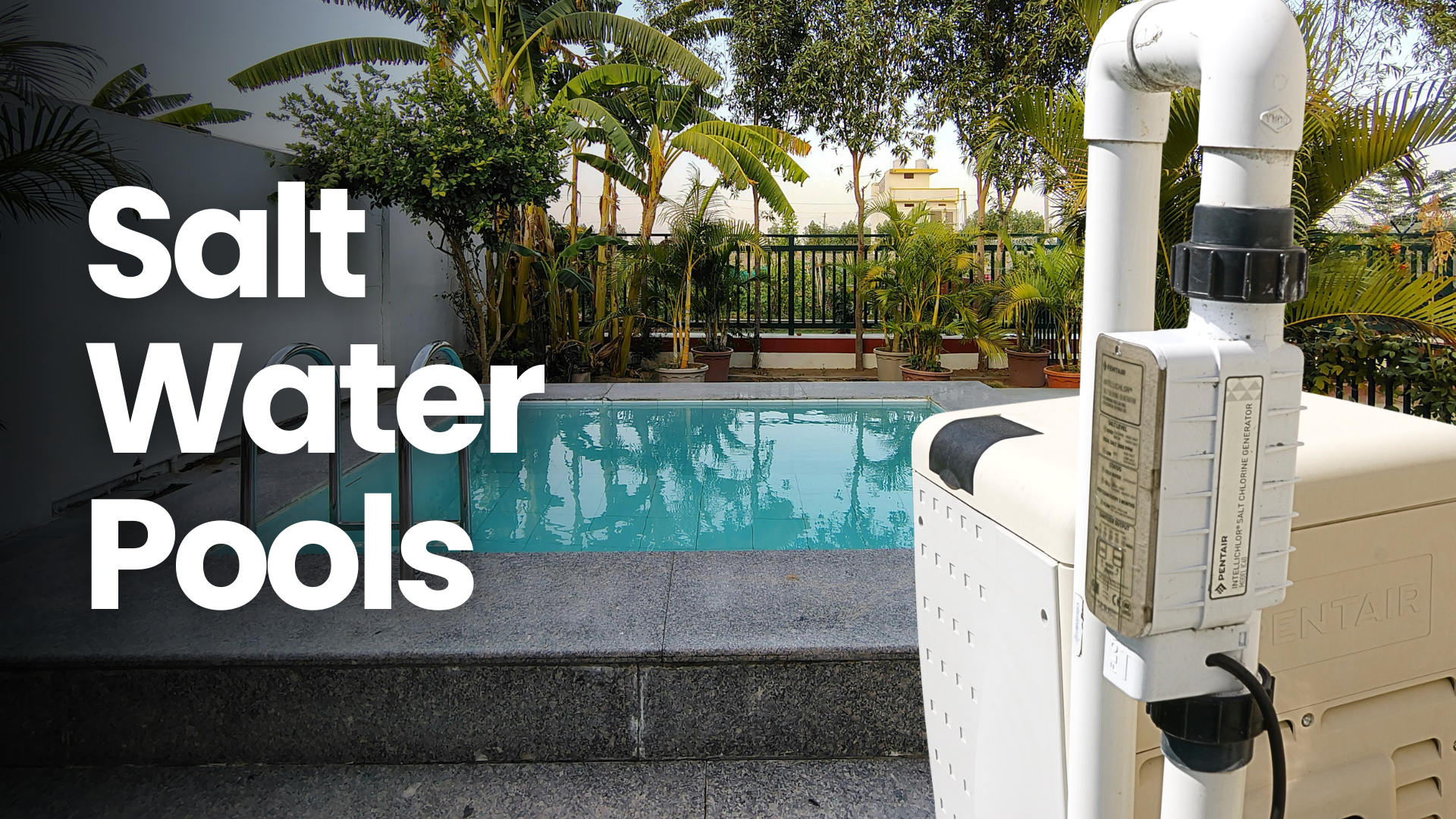
Not every pool shock is safe for your salt water pool. Using the wrong one can cause calcium buildup in your salt cell and shorten the life of your salt water generator.
Like any pool, your salt water pool still needs to be shocked on occasion. While your salt water generator is great for daily sanitization, it’s not powerful enough to achieve breakpoint chlorination and kill overgrown contaminants like algae.
The best types of shock for a salt water pool are dichlor shock, liquid chlorine, and non-chlorine shock. They’re safe to use with a salt water generator, but which one you use depends on the condition of your water.
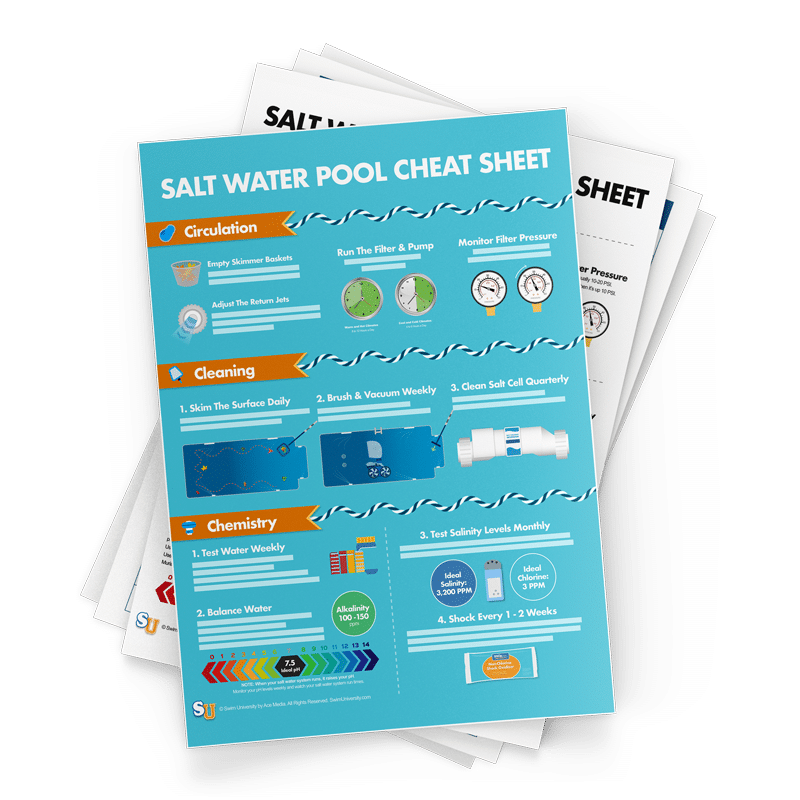
This is the ultimate guide to keeping your pool sparkling clean throughout the year that contains everything you need to know about taking care of your pool the right way. Including saltwater pools.
Dichlor Shock Is Best for Treating Water Issues
Sodium dichlor shock, also known as dichlor shock, is the go-to chlorine shock for salt water pools. It’s a powerful chlorine-based shock that dissolves quickly, making it safe for all pool types, including vinyl, plaster, painted, and salt water pools.
The biggest advantage? Dichlor doesn’t contain calcium. That means it won’t cause scale buildup in your salt water generator.
Dichlor is also a stabilized shock, meaning it contains cyanuric acid (CYA). That protects the chlorine from the sun’s UV rays, so you can add it during the day without worrying about it burning off.
It’s effective at treating algae and contaminant buildup. So if your salt water generator is struggling to produce enough chlorine because of high contaminant load or hot weather, shocking your pool with dichlor shock can help.

This multifunctional pool shock from Clorox comes in a 12-pack. The algae-fighting granules create crystal clear water by killing bacteria and organic contaminants. It works well for smaller pools and saltwater pools. As a dichlor-based stabilized cholorine shock, it does contain cyanuric acid.
Watch Your CYA Levels
Because it’s stabilized, every dose adds cyanuric acid to your water. Over time, that can push your CYA levels too high.
High CYA reduces your chlorine’s effectiveness. For salt water pools, you want to keep your CYA between 60 and 80 PPM. If your levels creep above 100 PPM, your chlorine may struggle to sanitize the water properly.
Test your CYA monthly, especially if you’re using dichlor as your regular shock. If levels get too high, you’ll need to partially drain and refill your pool with fresh water to bring them back down.
Liquid Chlorine Is Less Potent But Doesn’t Raise CYA
Liquid chlorine (sodium hypochlorite) is also a safe option for shocking a salt water pool. It contains the same active ingredient as household bleach, just at a higher concentration of about 10 to 12 percent chlorine.

For an easy-to-use shock to get rid of algae and cloudy water fast, try using liquid shock.
It contains no calcium and no cyanuric acid, so it won’t cause scale buildup or raise your CYA levels. That makes liquid chlorine a great option if your CYA is already on the higher end.
The downside is that liquid chlorine is unstabilized. You’ll need to add it at night so the sun doesn’t destroy it before it has a chance to work. It also has an extremely high pH, so test and adjust your pH after using it. Finally, because it’s less potent than dichlor chlorine, it takes a lot more liquid chlorine to shock a pool.
Can You Shock a Salt Water Pool with Bleach?
You can, but it’s not ideal. Household bleach contains the same chlorine as liquid pool chlorine, just in a much weaker concentration of around 3 to 6 percent. You’d need a lot of it to reach breakpoint chlorination. For a real shock treatment, you’ll want to use a product designed for pools.
Non-Chlorine Shock Is Great for Weekly Maintenance
Non-chlorine shock works as an oxidizer. It revitalizes your existing free chlorine without adding more chlorine to the water. That makes it perfect for routine weekly treatments in a salt water pool.
Because it doesn’t contain chlorine, calcium, or CYA, non-chlorine shock won’t affect your other water chemistry levels. You can also swim shortly after adding it.
However, non-chlorine shock is not strong enough to kill algae on its own. It’s best used as a maintenance product between more powerful chlorine shock treatments. If you’re dealing with green water or a visible algae bloom, reach for dichlor shock or liquid chlorine instead.
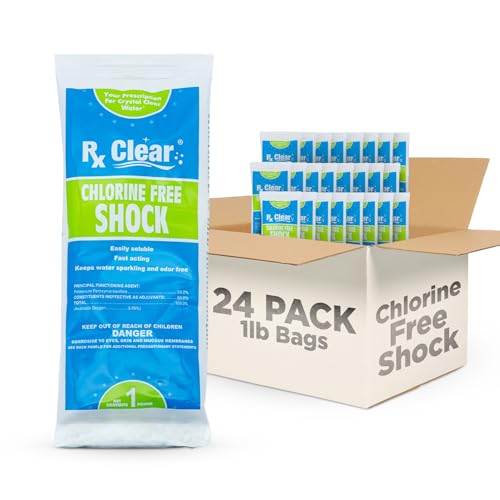
A powerful oxidizing agent that eliminates combined chlorine (chloramines) and provides higher free chlorine levels. Ideal for use with chlorine or bromine-sanitized applications, weekly maintenance, and will not affect other chemical levels
Avoid Cal-Hypo Shock with a Salt Water Pool
Calcium hypochlorite (cal-hypo) shock is the most powerful chlorine shock available. It has the highest percentage of available chlorine, making it a powerful choice for treating algae in traditional chlorine pools.
The problem for salt water pool owners is that cal-hypo contains calcium. Every time you use it, you’re adding calcium to your water. Over time, that calcium builds up inside your salt cell and on your pool equipment.
Salt water generators are already prone to calcium buildup. High pH levels from your generator speed up the process. Adding a calcium-based shock on top of that accelerates scale formation even more. Stick with dichlor shock or liquid chlorine to protect your investment.
Your Salt Water Generator’s Boost Mode Doesn’t Replace Shock
Most salt water generators have a “superchlorinate” or “boost” setting. While boost mode does add extra chlorine from your salt system, it’s usually not enough to tackle larger issues like algae.
The boost mode raises free chlorine levels gradually over a longer period. That slow increase won’t achieve the breakpoint chlorination levels you need to destroy contaminants like algae, bacteria, and chloramines.
Breakpoint chlorination means raising your free chlorine to 10 times the amount of combined chlorine in your water. The boost setting on your generator simply can’t get there fast enough. Use the boost mode as a weekly supplement, not as a substitute for real shock treatments.
If you want more help understanding free chlorine, combined chlorine, and total chlorine, check out this video:
How to Shock a Salt Water Pool
First, test your water chemistry with test strips or a liquid test kit. Balance your alkalinity (100 to 150 PPM) and pH (7.4 to 7.6) before adding shock. Balanced pH helps your shock work more effectively.
Next, add one pound (0.45 kg) of dichlor shock per 10,000 gallons (37,854 liters) for a standard treatment. Double the dose for pool openings or if you’re dealing with algae. Broadcast the shock across your pool surface with the pump running.
Then, run your filter for at least 8 hours or overnight. Never add shock through your skimmer, since it can damage your equipment. Finally, retest your water the next day and rebalance any chemicals as needed.
When to Shock Your Salt Water Pool
Shock your pool once a week or at least once every other week with non-chlorine shock. You should also add chlorine shock after heavy use, after a heavy storm, or anytime you notice your water looking cloudy or green.
If you’re worried about raising your chlorine levels too much, alternate between non-chlorine shock for weekly maintenance and dichlor shock for heavier treatments. That keeps your water fresh without overloading your chemistry.
Key Takeaways
- Dichlor shock and liquid chlorine are the best pool shock options for salt water pools because they don’t contain calcium that can damage your salt cell.
- Avoid cal-hypo shock in salt water pools. The calcium it contains causes scale buildup inside your salt water generator over time.
- Non-chlorine shock is ideal for weekly maintenance since it revitalizes your existing chlorine without affecting CYA or calcium levels.
- Your generator’s boost mode is not a substitute for shock. It raises chlorine too slowly to reach breakpoint chlorination.
- Watch your CYA levels when using dichlor shock. Salt water pools do best with CYA between 60 and 80 PPM, and dichlor adds CYA with every dose.
- Always balance your pH and alkalinity before shocking and add shock at night to prevent the sun from burning it off.