


How to Clean a Pool Salt Cell

Regular pool salt cell cleaning keeps your salt water generator (SWG) running smoothly and producing enough chlorine to keep your water sanitized.
To clean a pool salt cell:
- Turn off and unplug the system.
- Remove the cell
- Clear off large calcium deposits by hand and rinse it with fresh water.
- Then soak the inside of the salt cell using a diluted muriatic acid solution or 5% white vinegar to dissolve stubborn scale waiting about 10 to 15 minutes.
- Repeat the rinse and reinstall.
This is the quick cleaning method recommended by most manufacturers including brands like Hayward and Pentair.

Used for lowering alkalinity and pH in your pool water. It's also used for cleaning pool filter grids, filter cartridges, and concrete pool surfaces.
Skip this maintenance, and calcium scale quietly builds up on the titanium salt cell plates until your unit can barely do its job, resulting in a shorter life span. And if your salt cell stays clean, your SWG will display fewer system errors like “Inspect/Check Cell,” “Low Salt,” or “No/Low Water Flow.”
For pool owners using salt water generators, this guide shows when and how often to clean the cell, what buildup to look for, how to clean it safely, and how to balance pool water chemistry to help prevent scale from coming back.
How Often Does a Pool Salt Cell Need to Be Cleaned?
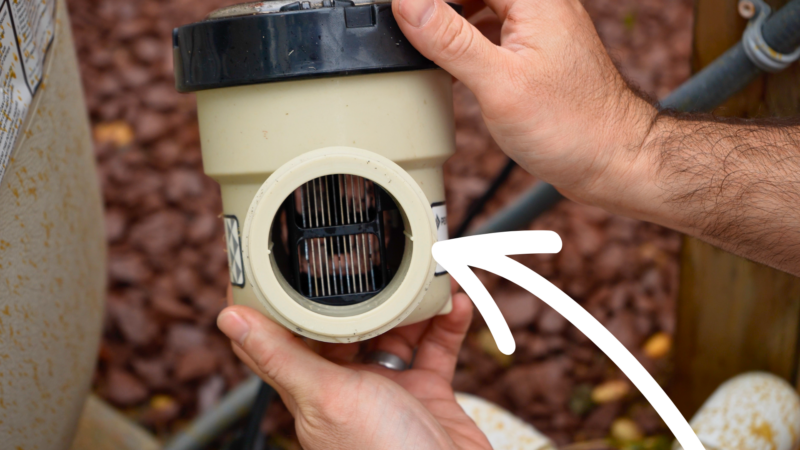
Salt cells should be inspected every 3 to 6 months and cleaned if calcium buildup is visible inside. Even if you don’t see white flakes floating in your pool water, calcium scale can still be building up on the plates inside the cell.
High pH levels, high calcium hardness levels, and warm water temperatures both speed up that process, so if either applies to your pool, check more often. Some modern salt chlorine generators have self-cleaning features, but that doesn’t mean you’re off the hook.
Regular 90-day inspections are still a smart habit, especially if you live in a hard water area, and you should also keep an eye on your pool’s salt levels with a pool salt calculator to make sure your generator can work efficiently.
How to Clean a Pool Salt Cell
Before you start the cleaning process, gather your supplies. You’ll need:
- One gallon of muriatic acid (hydrochloric) or distilled white vinegar
- a bucket or container with a pouring spout
- Chemical resistant gloves, safety goggles, closed-toe shoes, and clothing to cover your skin
- Wooden paint stirrer for mixing
- Salt cell cleaning stand
If you don’t want to use (or can’t find) muriatic acid or white vinegar, you can use a dedicated salt cell cleaner. The one I recommend is the AquaDoc Salt Cell Cleaner which is a dry acid, similar to

Keep your salt cell clean and working great with a cleaner made to melt away calcium and mineral buildup fast.
Step 1. Turn Off the Entire Filter System (At The Breaker)
Turn off the salt chlorinator system, and any other connected pool equipment (including your pump, filter, and heater) before touching the cell. Then unplug the generator completely. This matters for safe maintenance, since you don’t want any power moving through it while you’re handling it.
Step 2. Remove the Salt Cell
Disconnect the salt cell from the control box and unscrew the unions on either side to remove it from the plumbing. Handle it gently. The titanium plates inside are precision components, and forcing or bending them will cause damage.
Set the cell on a flat surface where you can inspect it clearly. This is also a good time to check the cell body itself for any cracks or corrosion.
Step 3. Remove Large Calcium Deposits by Hand (And With Water)
If you see visible flaky deposits on the plates, start by removing as much of that calcium build up as you can by hand or with a wood paint stirrer or tongue depressor. Don’t force your fingers between the metal plates or use a hard scraper or you could damage the salt cell. You just want to knock the larger chunks loose and shake them out.
Next, rinse the inside of the cell with a garden hose. A strong stream of water will flush out a lot of the remaining debris. For light buildup, this may be all you need to help the cell keep producing chlorine efficiently. But if rinsing with a hose doesn’t clear the buildup, it’s time for a chemical clean.
Step 4. Mix a 5:1 Muriatic Acid Cleaning Solution
Muriatic (hydrochloric) acid is effective at removing buildup, but it’s harsh on the cell’s coating over time. Only reach for the acid when hand cleaning and hosing down the cell aren’t enough.
The right ratio of muriatic acid to water depends on how much scale you’re dealing with.
- For a lighter buildup, a gentler 5:1 water-to-acid ratio is easier on the cell’s coating and extends its lifespan. That’s 5 cups of water for every 1 cup of muriatic acid.
- For stubborn scale, use a 4:1 ratio (4 cups of water for every 1 cup of muriatic acid).
Fill your small plastic bucket or container with the correct amount of warm water and add the appropriate amount of muriatic acid.
IMPORTANT SAFETY TIP: Always add the acid to the water, never the other way around. Pouring water into acid can cause a dangerous splash reaction. Wear a face mask, chemical-resistant gloves, and eye protection before you start mixing.
Cap one end of the salt cell tightly, or attach it to a salt cell cleaning stand with the cord side down. Pour the acid solution into the open end, filling it enough to completely cover the plates and without spilling over on the sides.
Step 5. Let the Acid Solution Sit for 10-15 Minutes in the Salt Cell
Once you’ve poured the diluted acid solution into the cell, let it soak for 10 to 15 minutes, or until the bubbling, foaming, or fizzing completely stops (whichever comes first). That reaction is the acid breaking down calcium deposits, so it’s a good sign.
Step 6. Dump Out the Acid Solution and Rinse the Cell with Water
After the soak, pour the solution back into the bucket and shake out any excess liquid. Do not dump it on the ground or pour it down your household drains. Check your local guidelines for safe disposal.
Then rinse the inside of the cell thoroughly with a garden hose before reassembling. Leftover muriatic acid on the cell’s coating can cause damage over time. Make sure the rinse afterward is thorough. Any leftover acid residue can interfere with the system once you reassemble it.
Step 7. Reassemble and Restart the Pump and Filter System
Reattach the end caps and reinstall the salt cell into the plumbing. Reconnect the generator and power everything back on. Let the system run normally and check the chlorine output over the next day or two to confirm everything is working.
Keep Your Water Balanced to Prevent Calcium Buildup
Cleaning your salt cell removes existing scale, but balanced water chemistry helps prevent it from forming so quickly in saltwater pools, including choosing the best pool shock for salt water pools to avoid adding extra calcium or damaging your generator.
First, test and balance your pH every week. Salt water generators naturally produce high pH, and levels above 7.8 accelerate calcium scaling. When pH stays high, chlorine effectiveness drops significantly.
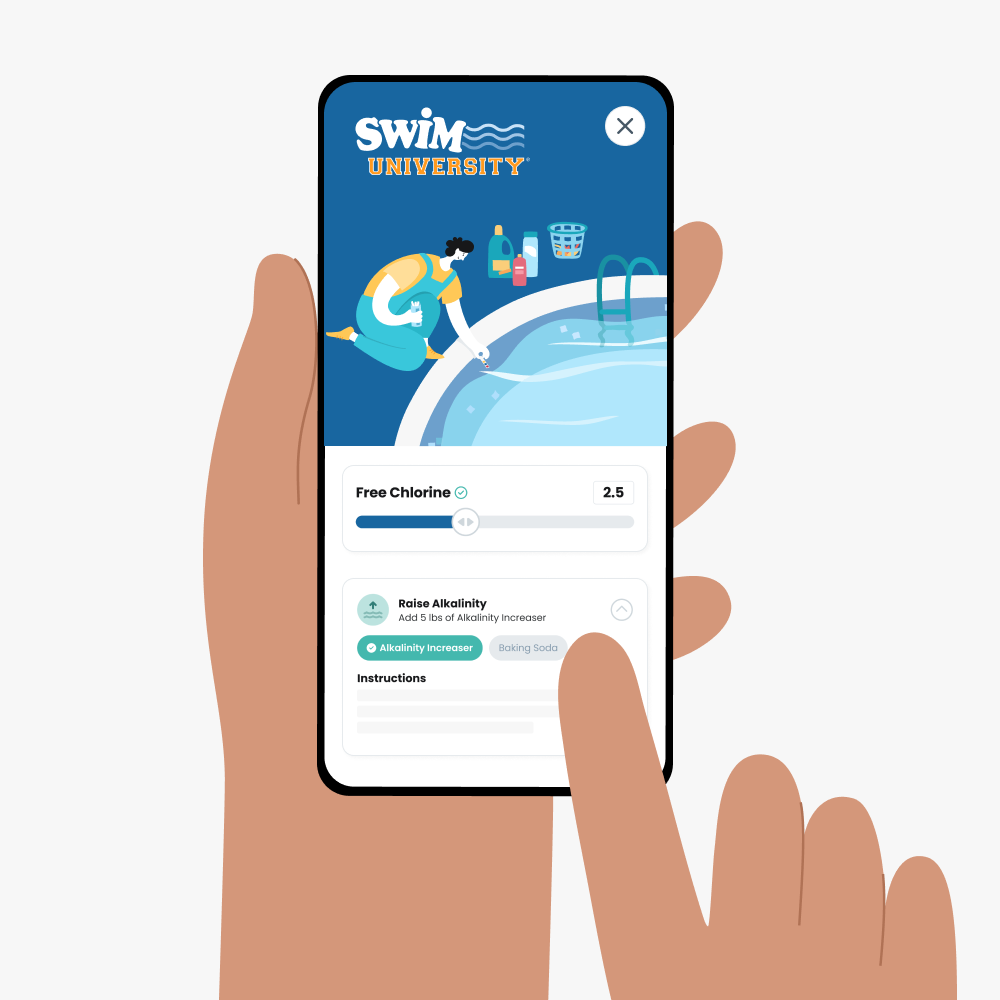
Enter your water test results. Get a custom treatment plan. Know exactly what chemicals to add to keep your pool clear. Saltwater and hot tub compatible.
Use a
Then, test your calcium hardness monthly. Keep it between 0 and 275 ppm (parts per million), with the lower end being better for most salt water pools and overall swimming pool water balance.
By the way, if you need more help taking care of your salt water pool, check out our complete guide to Salt Water Pool Maintenance.
Ideal Calcium Hardness Levels For Saltwater Pools and Every Pool Type
| Pool Type | Ideal Level | Why |
|---|---|---|
| Concrete or plaster pool | 200 – 275 ppm | If levels are too low, the water will pull calcium out of the walls leading to pitting, erosion, and damage over time. |
| Vinyl liner pools | 50 – 120 ppm | Vinyl liner pools don’t need calcium because it’s made of PVC plastic. But it can still help protect equipment and other surfaces. |
| Fiberglass pools | Below 120 ppm | High calcium causes fiberglass discoloration. The exception is if your waterline has tile with grout. |
If you’re having trouble keeping your calcium hardness levels in range, check out our guide on how to balance calcium hardness in your pool.
Additional Questions About Cleaning a Pool Salt Cell (FAQ)
Can I use vinegar to clean a pool salt cell?
Yes, it’s less powerful than muriatic acid but it can be useful for lighter buildup. To use vinegar, pour standard 5% white vinegar directly into the cell without diluting it. Let it sit in contact with the plates for several hours or up to 24 hours for heavier buildup. Then remove the vinegar and rinse out the loosened deposits with a hose. It’s a gentler option, but you’ll need more patience.
Can I use CLR to clean my pool salt cell?
No, I wouldn’t recommend that because CLR (Calcium, Lime, and Rust) can strip away metal coating on the cell plates. Just stick to using a diluted muriatic acid, white vinegar, or a dedicated salt cell cleaner like I mentioned in this article.
How often does a pool salt cell need to be cleaned?
Every 3-6 months. Less often if you prevent calcium buildup. Keep your calcium hardness levels in range and limit your use of calcium hypochlorine (cal-hypo) shock in a saltwater pool.
How long do you soak a chlorinator cell?
10-15 minutes if you use a 5:1 diluted muriatic acid solution or 24 hours if you’re using standard distilled white vinegar (5%) undiluted.
Key Takeaways
- Inspect your salt cell every 3-6 months. Look for white, flaky calcium deposits on the titanium plates inside. Check more often if you have hard water or your pH tends to run high.
- Always turn off and unplug the generator before removing the cell. The cell runs on electricity, and skipping this step is a real safety risk.
- Start with the least aggressive cleaning method. Try removing deposits by hand first, then rinse with a hose. Only use muriatic acid if those steps don’t clear the buildup.
- Choose your acid ratio based on the severity of the scale. Use 4 parts water to 1 part muriatic acid for moderate deposits, or 5:1 for lighter buildup to minimize wear on the cell’s coating. Always add acid to water, wear full protective gear, and let the solution soak for 10 to 15 minutes or until the fizzing stops. Never pour leftover acid on the ground or down your drains.
- White vinegar is a gentler alternative. Use standard 5% vinegar and let it soak for several hours or up to 24 hours for heavier buildup.
- Watch out for high pH and calcium hardness levels. Balanced water chemistry is the best way to slow down calcium buildup between cleanings.