


How Much Does it Cost to Winterize a Hot Tub?
 Matt Giovanisci
  January 30, 2026
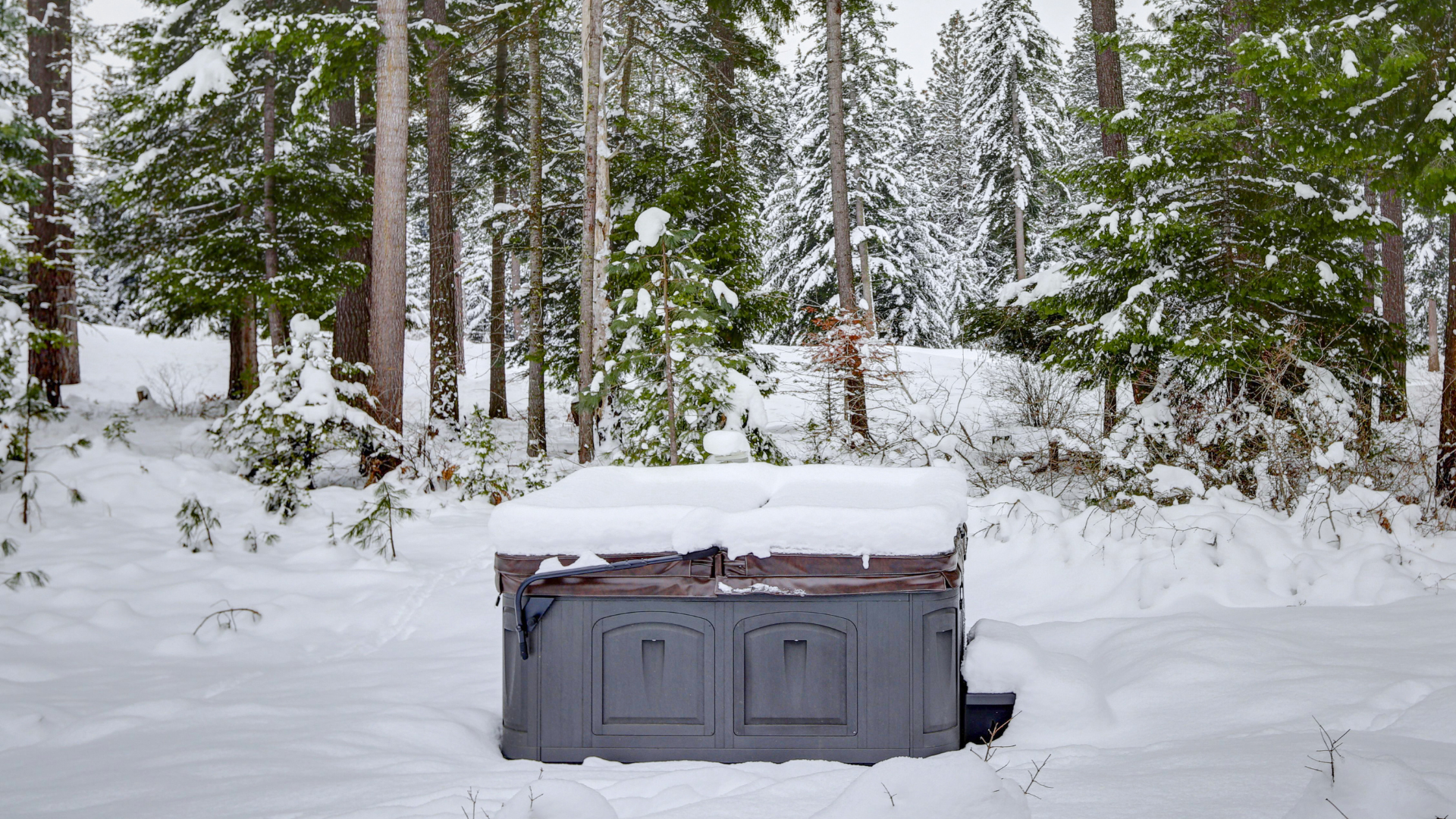
 Winterizing your hot tub and protecting it from freeze damage costs a lot less than replacing frozen pipes or cracked equipment. If you’re not using your hot tub in the winter, winterizing is much cheaper than keeping your water heated and running.
The cost to winterize your hot tub yourself depends on the supplies and equipment you already own. On average, plan to spend around $200 on the right supplies to properly winterize your hot tub.
However, if you already own equipment like a powerful wet/dry vacuum and a sump pump, your costs will be much lower, around $40 to $60.

Learn how to keep your hot tub clear while saving money so you can enjoy more soaking time without big costs. The Hot Tub Handbook covers every type of hot tub on earth.
Should You Winterize or Keep Your Hot Tub Running?
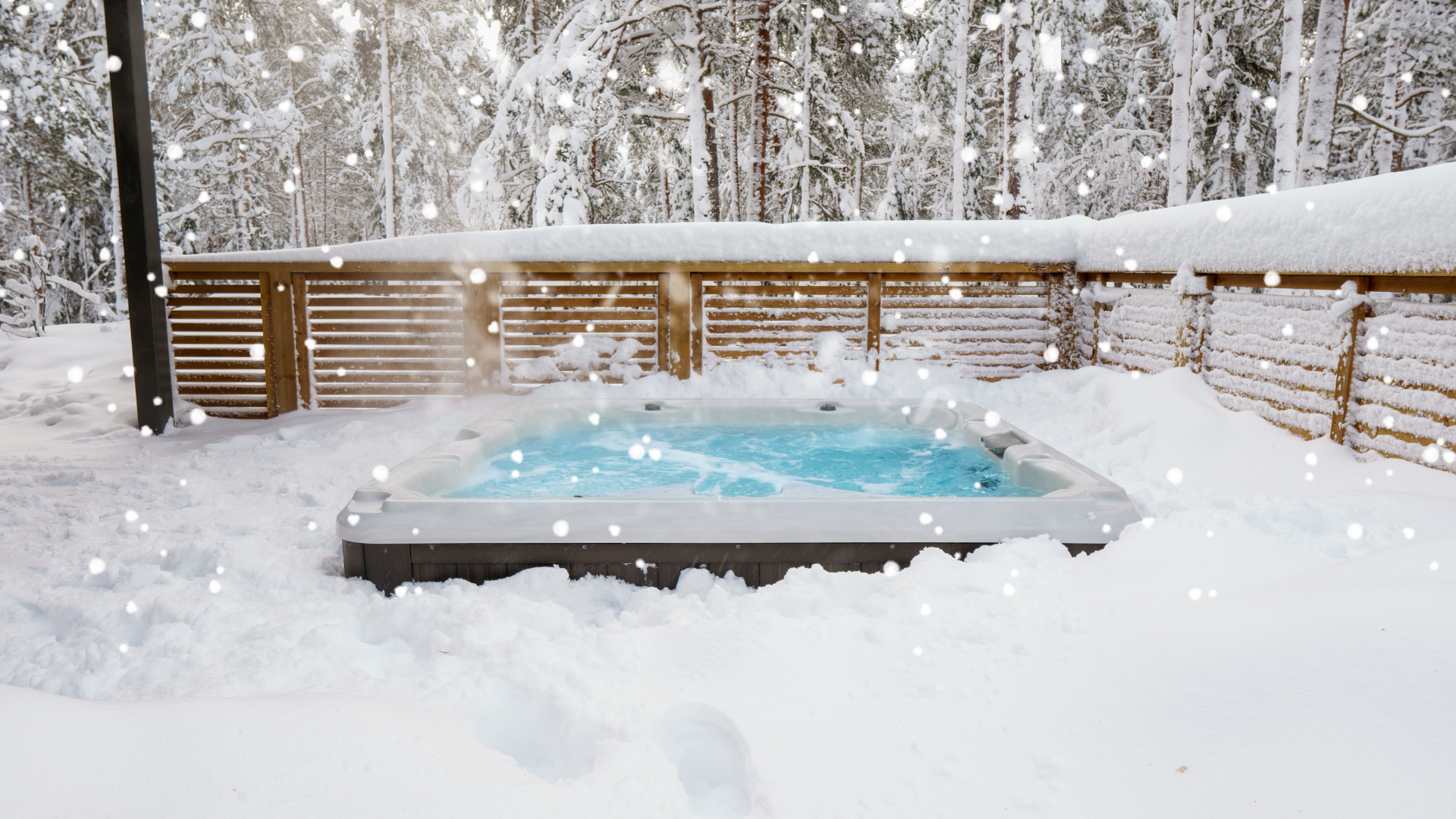
You have two main choices for winter hot tub care. First, you can winterize completely by draining all water and closing down the spa. Second, you can keep it running with proper maintenance and heated water.
Each option has different costs and requirements. If you plan to keep your hot tub running in the winter, expect to spend $30 to $60 a month just to heat the water. This does not include purchasing and adding chemicals. Compared to the cost of winterizing, keeping your hot tub running costs more. The choice really depends on whether or not you plan to use your spa during the winter months.
Let’s break down each winterization expense, heating cost, and the supplies you’ll need for either approach.
How Much Does DIY Hot Tub Winterization Cost?
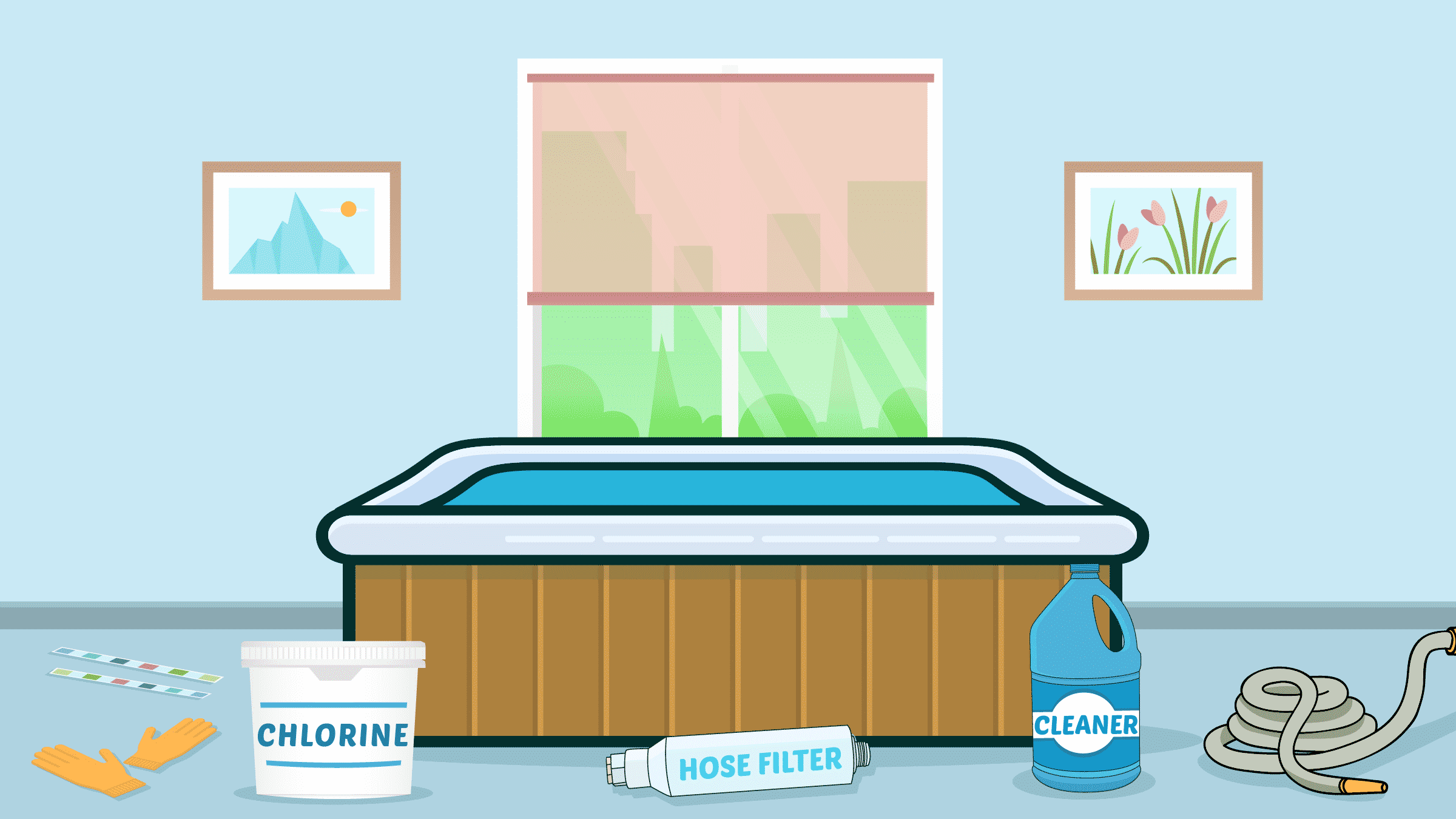
Winterizing your hot tub yourself requires specific equipment and supplies. The total cost is around $200, depending on what you already own. Here are the supplies you’ll need and their average costs:
- Wet/dry vacuum (at least 5 horsepower): $75 to $150. You need a powerful vacuum that has both a suction and a blower function for blowing water out of the plumbing
- Submersible sump: $50 to $150. A sump pump speeds up draining compared to just using your spa’s drain spout.
- Pool-grade or spa-grade antifreeze: $9 to $15 per gallon. Most spas need one to two gallons total.
- Cleaning supplies: $30 to $50. As part of winterizing your spa, you’ll need a line flush cleaner and filter cleaner.
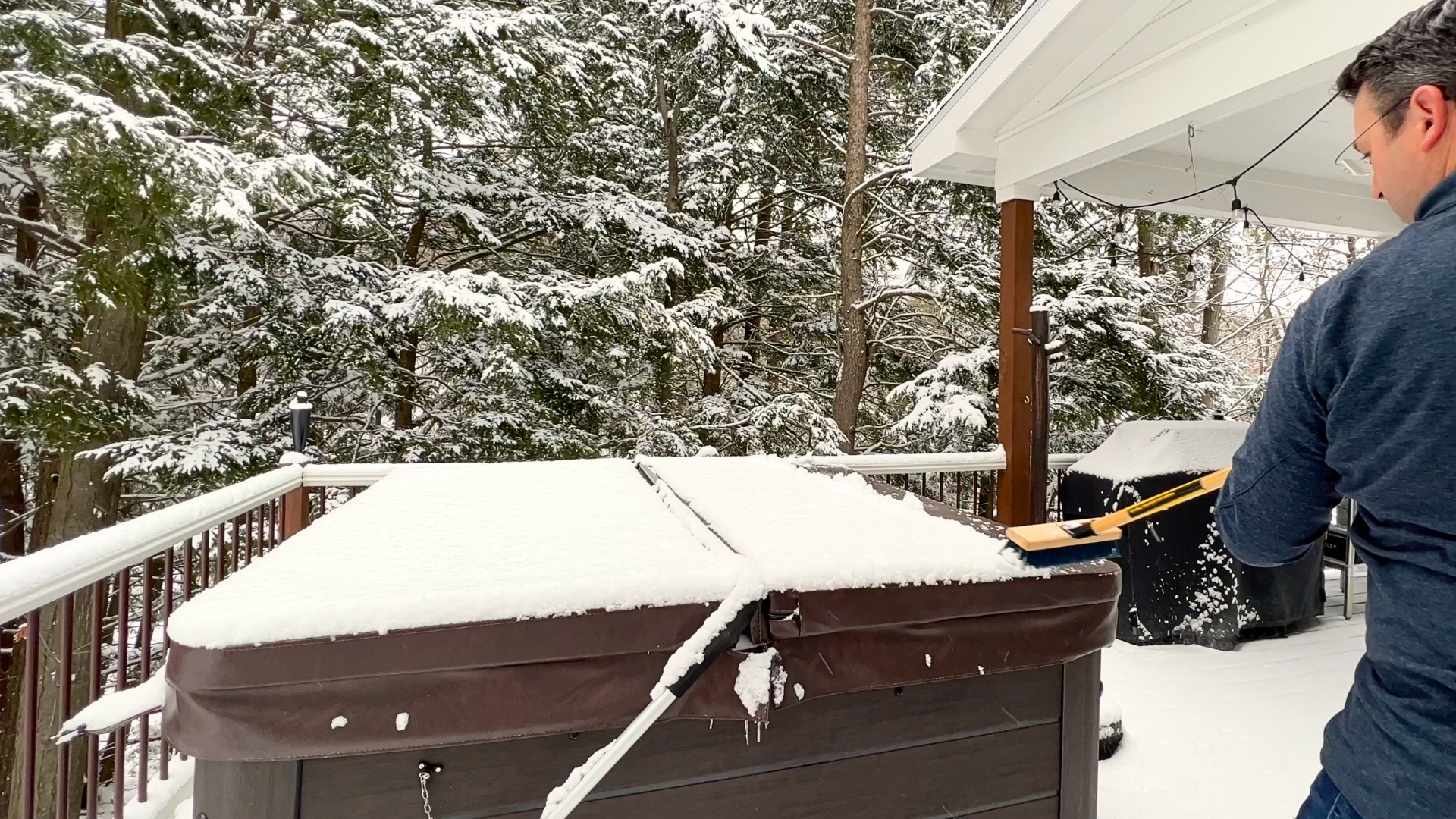
- Hot tub cover guard or tarp: $30 to $100. You need to protect your hot tub cover in the winter with a tarp or cover guard. The price will vary depending on the quality of your cover.
Total cost: About $200 (using less-expensive options).
If you already own most of the expensive equipment, it may only cost you $40 to $60 for antifreeze,
This cost breakdown doesn’t include the cost of regular cleaning supplies, like a hot tub surface cleaner (or diluted white vinegar), a soft cloth or towel, a garden hose, a large bucket, and hot tub cover cleaner. Check out our guide on How to Clean a Hot Tub if you want more help.
How Long Does it Take to Winterize a Hot Tub?
The process takes two to three hours to complete. It includes draining the tub, cleaning the shell, blowing out all plumbing lines, vacuuming water from each jet, and adding optional antifreeze protection. Check out a step-by-step walkthrough of this process in our How to Winterize a Hot Tub guide.
How Many Gallons of Antifreeze Do You Need to Winterize a Hot Tub?
Adding pool-grade antifreeze to a hot tub helps prevent freeze damage if there’s any lingering water in the plumbing lines.
The average hot tub needs 1 to 2 gallons (3 to 8 liters) of antifreeze for winterization.
- Small spas (300-400 gallons): 1 gallon of antifreeze (3-4 liters)
- Medium spas (400-500 gallons): 1.5 gallons (5-6 liters)
- Large spas (over 500 gallons): 2 gallons (7-8 liters)
Regardless of your spa’s size, buy two gallons of antifreeze. You’ll add antifreeze to the filter well and spray it into each jet fitting, so it’s better to have too much on hand than too little.
Only use pool-grade or spa-grade antifreeze. This is also known as RV/marine-grade antifreeze or propylene glycol. Never use automotive antifreeze (ethylene glycol) because it’s highly toxic.
Keep in mind that antifreeze provides extra protection against residual water freezing, but it’s not a substitute for properly draining all water from your plumbing.
How Much Does Professional Hot Tub Winterization Cost?
Professional winterization services vary by location and service provider. Costs typically include labor, equipment use, and sometimes supplies like antifreeze and cleaners.
Technicians will drain your spa, clean the shell, blow out all plumbing lines, vacuum jets, and add antifreeze. They bring their own equipment, including the wet/dry vacuum needed for proper winterization. Professional service takes about the same time, but will cost you significantly more. Expect to pay between $200 and $500 for professional winterization, depending on your area’s rates.
How Much Does It Cost to Keep a Hot Tub Heated in Winter?
Running a hot tub through winter costs $30 to $60 per month on average. Your actual costs depend on insulation quality, pump type, outside temperature, usage frequency, and local electricity rates.
Hot tubs use more electricity in winter than in summer. The colder it gets outside, the harder your heater has to work. A 20-degree temperature drop can add $10 to $20 to your monthly bill.
Poor insulation makes this worse. A waterlogged or ill-fitting cover allows heat to escape. Old spas with weak insulation cost more to run, and spas exposed to wind lose heat faster.
To calculate your exact costs based on your electricity rate and hot tub equipment, check out our guide on The True Cost of Running a Hot Tub in the Winter.
When Does a Hot Tub Need to Be Winterized?
Winterize your hot tub if you’ll be away for more than 30 days or if you won’t use it often in freezing weather. Simply turning off the power and leaving your spa full causes problems. Stagnant water becomes unsanitary, and frozen water damages pipes and equipment. Proper winterization removes water from every area, including filter wells, pumps, heaters, internal plumbing, and jet heads.
Plan to winterize when temperatures consistently stay above 40°F (4°C). This prevents standing water from freezing during the several hours it takes to drain and winterize.
How Long Can a Hot Tub Sit Unused in Winter?
A hot tub can sit unused for up to four weeks without winterization. Keep the water heated to at least 80°F (27°C) and use freeze protection settings.
Beyond one month, you should either winterize completely or commit to ongoing maintenance. Brief power outages typically won’t cause damage unless they last 24 hours or longer when temperatures are well below freezing.
At What Temperature Will Hot Tub Pipes Freeze?
Hot tub pipes freeze at 32°F (0°C) or below. At this temperature, stagnant water in your plumbing will freeze, split the pipes, and damage your pump and heater.
Most hot tubs can last 24 to 48 hours without power before they’re at risk of freeze damage. A well-insulated spa with a properly fitted cover may only drop 9°F (5°C) overnight when the outside temperature is 30°F (-1°C).
Keep your water continuously circulating and heated when the outside temperature is below freezing. Moving water is much less likely to freeze than still water. Even if surface water appears frozen, the water in your pipes won’t freeze if the pumps are running.
Key Takeaways
- DIY winterization costs about $200 for equipment and supplies, including a wet/dry vacuum, sump pump, antifreeze, and cleaning products.
- If you already own equipment like a powerful wet/dry vacuum and a sump pump, DIY winterization costs around $40 to $60.
- Small spas need 1 gallon of antifreeze, and large spas need 2 gallons of pool-grade or RV/marine-grade antifreeze.
- Running a hot tub through winter costs $30-$60 per month, depending on insulation, pump type, temperature, usage, and electricity rates.
- Hot tubs use more electricity in winter because heaters work harder to maintain the temperature.
- Winterize if you’ll be away more than 30 days, won’t use it in freezing weather, or experience frequent power outages lasting over 24 hours.
- Hot tub pipes freeze at 32°F (0°C), causing expensive damage that most warranties won’t cover.
3 Ways We Can Help With Your Hot Tub
- Hot Tub Cheat Sheets (Free): Easy-to-use guides to help you keep your hot tub water balanced and sanitized.
- The Hot Tub Handbook: An illustrated guide to DIY hot tub care, including water chemistry, maintenance, troubleshooting, and more.
- The Hot Tub Care Course. You’ll get step-by-step videos and a step-by-step downloadable guide with everything you need to know about hot tub maintenance.