Every pool is different. Get a free step-by-step plan for yours.
Get My Free PlanMuriatic acid is a cheap way to lower your pool’s alkalinity and pH. And you can also use it to clean your pool filters (cartridge and D.E.) and concrete surfaces. But adding an acid to your pool can be dangerous if it’s not done safely.
Here’s a simple guide on how to safely add muriatic acid to your pool. You can watch the quick video below or keep reading for a complete muriatic acid tutorial.
An illustrated, step-by-step guide to taking care of your pool yourself. Works for chlorine and saltwater pools.
Before you start mixing up pool chemicals, you need the right safety gear. Remember, muriatic acid is extremely caustic. It can burn your skin in seconds, and the vapor from acid can cause serious respiratory problems without the proper protection.
You’ll need a few things to keep yourself protected:
You’ll also need to buy pool-grade muriatic acid. Because it’s a hazardous material, it can be difficult to order online. But you can find it at your local pool stores. Some hardware stores carry muriatic acid for pools, but it’s usually a weaker formula.
Here’s the type of muriatic acid we recommend if you’re shopping online. It’s safer and easier to use than standard muriatic acid, but it can be more expensive:

Used for lowering alkalinity and pH in your pool water. It's also used for cleaning pool filter grids, filter cartridges, and concrete pool surfaces.
Before you add anything, you’ll need an accurate measurement of pH and total alkalinity in your pool. Test strips work pretty well, but digital test kits are even more precise.
No matter the reading, lowering your pool’s alkalinity with muriatic acid is best done in stages, adding no more than ½ gallon of muriatic acid at a time. So, plan to retest your water throughout this process.
First, you’ll need to know how many gallons of water your pool holds. If you’re not sure about the volume of your pool, you can use our pool calculator.
The label on your muriatic acid should help you determine how much acid to add. But if it doesn’t, you can use the chart below.
| Your Starting pH Level | 1,000 Gallons (3,785 Liters) | 5,000 Gallons (18,927 Liters) | 10,000 Gallons (37,854 Liters) | 15,000 Gallons (56,781 Liters) | 20,000 Gallons (75,708 Liters) |
|---|---|---|---|---|---|
| 7.6 – 7.8 | 1.25 fl oz (37 ml) | 6 fl oz (177 ml) | 12 fl oz (355 ml) | 18 fl oz (532 ml) | 24 fl oz (710 ml) |
| 7.8 – 8.0 | 1.5 fl oz (44 ml) | 8 fl oz (237 ml) | 16 fl oz (473 ml) | 24 fl oz (710 ml) | 1 qt (946 ml) |
| 8.0 – 8.4 | 2.5 fl oz (74 ml) | 12 fl oz (355 ml) | 24 fl oz (710 ml) | 1.25 qts (1.18 L) | 1.5 qts (1.42 L) |
| Above 8.4 | 3 fl oz (89 ml) | 16 fl oz (473 ml) | 1 qt (946 ml) | 1.5 qts (1.42 L) | 2 qts (1.89 L) |
| Decrease (ppm) | 1000 Gallons (3785 L) | 5000 Gallons (18927 L) | 10000 Gallons (37854 L) | 15000 Gallons (56781 L) | 20000 Gallons (75708 L) | 25000 Gallons (94635 L) | 50000 Gallons (189271 L) |
|---|---|---|---|---|---|---|---|
| 10 ppm | 2.56 oz. (75.7 mL) | 0.8 pts. (378.5 mL) | 0.8 qts. (757.1 mL) | 1.2 qts. (1.1 L) | 1.6 qts. (1.5 L) | 2.0 qts. (1.9 L) | 1 gal. (3.8 L) |
| 20 ppm | 5.12 oz. (151.4 mL) | 1.60 pts. (757.1 mL) | 1.6 qts. (1.5 L) | 2.4 qts. (2.3 L) | 3.2 qts. (3.0 L) | 1.0 gal. (3.8 L) | 2 gal. (7.6 L) |
| 30 ppm | 7.68 oz. (227.1 mL) | 1.2 qts. (1.1 L) | 2.4 qts. (2.3 L) | 3.2 qts. (3.0 L) | 1.2 gal. (4.5 L) | 1.5 gal. (5.7 L) | 3 gal. (11.4 L) |
| 40 ppm | 10.24 oz. (302.8 mL) | 1.6 qts. (1.5 L) | 3.2 qts. (3.0 L) | 1.2 gal. (4.5 L) | 1.6 gal. (6.1 L) | 2.0 gal. (7.6 L) | 4 gal. (15.1 L) |
| 50 ppm | 12.80 oz. (378.5 mL) | 2.0 qts. (1.9 L) | 1.0 gal. (3.8 L) | 1.5 gal. (5.7 L) | 2.0 gal. (7.6 L) | 2.5 gal. (9.5 L) | 5 gal. (18.9 L) |
| 60 ppm | 15.36 oz. (454.2 mL) | 2.4 qts. (2.3 L) | 1.2 gal. (4.5 L) | 1.8 gal. (6.8 L) | 2.4 gal. (9.1 L) | 3.0 gal. (11.4 L) | 6 gal. (22.7 L) |
| 70 ppm | 1.12 pts. (530.0 mL) | 2.8 qts. (2.6 L) | 1.4 gal. (5.3 L) | 2.1 gal. (7.9 L) | 2.8 gal. (10.6 L) | 3.5 gal. (13.2 L) | 7 gal. (26.5 L) |
| 80 ppm | 1.28 pts. (605.7 mL) | 3.2 qts. (3.0 L) | 1.6 gal. (6.1 L) | 2.4 gal. (9.1 L) | 3.2 gal. (12.1 L) | 4.0 gal. (15.1 L) | 8 gal. (30.3 L) |
| 90 ppm | 1.44 pts. (681.4 mL) | 3.6 qts. (3.4 L) | 1.8 gal. (6.8 L) | 2.7 gal. (10.2 L) | 3.6 gal. (13.6 L) | 4.5 gal. (17.0 L) | 9 gal. (34.1 L) |
| 100 ppm | 1.60 pts. (757.1 mL) | 1.0 gal. (3.8 L) | 2.0 gal. (7.6 L) | 3.0 gal. (11.4 L) | 4.0 gal. (15.1 L) | 5.0 gal. (18.9 L) | 10 gal. (37.9 L) |
Aim to bring your pH down to just below the optimal range. This should be enough muriatic acid to bring your alkalinity down to normal. In general, 20 ounces of acid will lower the alkalinity in a 10,000 gallon by 10 ppm.
Pick what you’re adding and enter your test results. The dose updates as you type.
 Get exact doses in The Pool Care App
→
But what happens if your pH drops too low after adding muriatic acid? If you need to nudge your pH upward, you can run your pump to aerate your pool and gently raise its pH levels.
Remember, you can always add more muriatic acid if necessary. So start slowly and add only up to ½ gallon of muriatic acid at a time.
Turn off your pool pump and wait until the water stops moving completely. You should also turn off any water features, including aerators and fountains. Air in your water can raise your pH.
Diluting the muriatic acid in a bucket of water makes it easier and safer to handle. The ideal ratio of water to muriatic acid is 10:1, but always follow the manufacturer’s instructions.
First, add water to an acid-resistant bucket. Then, add the appropriate ratio of acid, stirring it gently with a plastic or wooden stir stick. Always add water to your bucket first, not acid. If you add the acid first, you run the risk of splashback.
Also, be sure to rinse your muriatic acid bucket thoroughly after every use, and do not use it for any other pool chemicals. You could cause a chemical reaction or explosion.
If you do want to add muriatic acid directly to your pool, start by pouring the muriatic acid into the deep end of your water. Be sure to walk away as you pour so you don’t inhale the fumes.
Turn on your pool pump and let it run for at least 5 hours before testing alkalinity again. If you have a multiport valve on your filter, set it to “circulate” to help the muriatic acid mix in.
Some pool owners leave their pumps off during this time and let the acid concentrate to affect their alkalinity levels better. This approach is called pooling. But remember: muriatic acid is extremely caustic and will eat into your pool floor if you leave it to settle. You’ll need to constantly brush the pool floor to prevent the acid from doing damage. That’s why we recommend turning on your pump to circulate the water at this phase.
Retest your water after about 5 hours. You should notice a difference in your water chemistry at that point. If your alkalinity hasn’t gone down far enough, add another muriatic acid dose.
Keep testing and adding muriatic acid in doses of ½ gallon or less, repeating as many times as necessary to get the alkalinity back down. It’s not unusual for it to take a couple of doses.
But if you can’t seem to get your alkalinity and pH under control, take your water to your trusted pool store for testing. Your problem could be one of testing accuracy, not actual chemistry.
If your pH dipped too low but your alkalinity reading is good, you can aerate your water. Adding air is a natural way to raise your pH without having to add chemicals. Chemicals like pH increaser end up raising alkalinity as well – and you’re back to the problem you had when you started!
To aerate, turn your return jets upward and turn your pump on its highest setting. And turn on any water features you have as well, like an aerator or a fountain.
Then, check your pH again to see if it’s risen up to normal levels. If the pH still needs to be increased significantly, you may actually need a chemical pH Increaser. Just be sure to add a little bit at a time since it can affect alkalinity.

This is a proven way to make the water less acidic when swimming in pools. This chemical helps maintain the right level of pH.
If adding muriatic acid brings your alkalinity levels down but your pH is still high (i.e., above 8.0), just keep adding rounds of acid. Your alkalinity may drop below its normal range (under 80 ppm), but don’t be too concerned initially. It should eventually rise over time.
Once you get your pH down to 7.6 or 7.8, the alkalinity should help stabilize your pH and keep it in range. If needed, you can add baking soda to raise your alkalinity. Just keep in mind that raising alkalinity can slightly raise your pH again, too.
While buying a
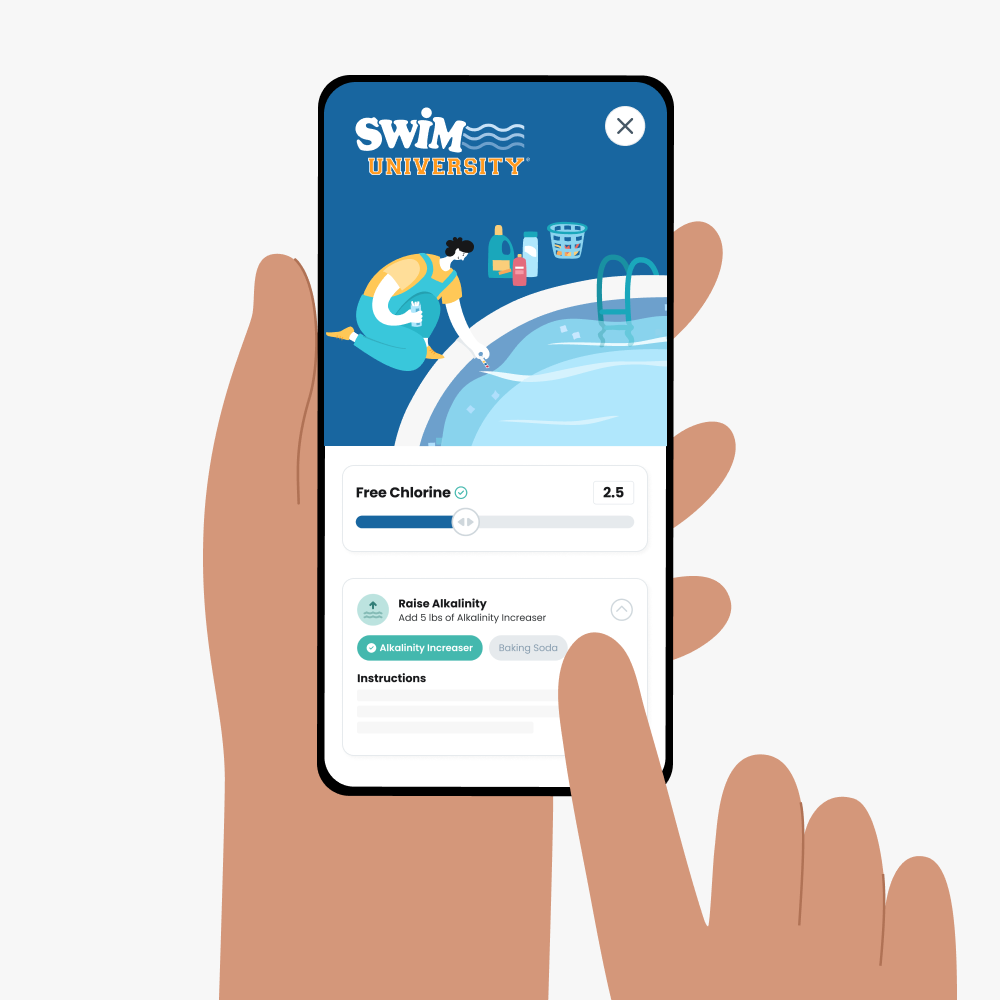
Enter your water test results. Get a custom treatment plan. Know exactly what chemicals to add to keep your pool clear. Saltwater and hot tub compatible.
Muriatic acid is similar to hydrochloric acid, which is used to clean concrete and brick, but with a lower concentration of hydrogen chloride. However, it’s still an acid, and it’s still highly corrosive. It can corrode everything from metal to plastics to clothing. It can also cause severe burns and injury if it comes into contact with your skin, eyes, or respiratory tract when you inhale its fumes.
Even though muriatic acid is very useful and affordable to have around as a pool owner, it can be hazardous to handle if you’re not sure what you’re doing. So, when should you use muriatic acid? And how much should you add to balance your water’s pH and alkalinity?
When handled properly, muriatic acid is an extremely handy and affordable pool maintenance tool. But because it’s an acid, it’s incredibly important to follow some safety measures:
A 20:1 ratio of water to muriatic acid is usually sufficient for cleaning your cartridge or D.E. filter grids. Just be sure to follow all of the safety steps mentioned before. Regardless of what type of filter you have, the process is generally the same:
For more help cleaning your cartridge or D.E. filter, check out our Filter Cleaning Guide.
Looking for more help using muriatic acid in your pool? Here are some common questions and answers.
You’ll likely notice a difference in your water chemistry an hour or two after the muriatic acid has circulated. Retest your water at that point. If your pH and alkalinity levels are still too high, add another round of pool acid in ½ gallon doses or less. Remember, you can always add more, so take your time.
No, these are different. Other types of acids used in pools, like cyanuric acid, aren’t used for adjusting pH or alkalinity levels like muriatic acid.
Yes, you can add muriatic acid directly to your swimming pool water. But it’s safer if you dilute it in a bucket of water first. If you do want to add it directly to your pool, pour it into the deepest part of the pool, walking away as you pour, so you don’t inhale any of the fumes. And always wear the appropriate safety gear.
If your pH levels are above 7.8 and you have an average-sized pool (15,000 gallons), you’ll need about a quart (or ¼ gallon) of muriatic acid to bring your levels within range. There are usually dosing instructions on the label of pool-grade muriatic acids. Otherwise, you can use this online calculator or the dosing chart below.
Adding too much muriatic acid can drop your pH levels too low. Low pH can cause eye irritation and skin rashes. It can also erode metals like pool ladders, railings, and other pool equipment. If you accidentally add too much muriatic acid and your pH levels have dropped too low, you can raise them back up with soda ash or pH increaser. And if you haven’t added your muriatic acid yet, go slowly. You can always add more later after you retest your water.
To be safe, wait at least an hour for the muriatic acid to dissipate. Then, retest your pool water before swimming again to make sure your pH isn’t too low. Adding muriatic acid directly to your pool can create an “acid hot spot” in the water. This can burn or irritate your skin, eyes, nose, and throat if you swim too early. The longer you wait, the safer it is.
Answer a few questions and we'll tell you what to test, what to add, and when.
Get My Free Plan
Matt is the founder of Swim University. He's been in the pool and spa industry since 1996. His mission is to make pool and hot tub care easy. Each year, he continues to help people with water chemistry, cleaning, troubleshooting, and more.
High calcium hardness causes scaling, cloudy water, and equipment damage. Learn how to lower calcium hardness in your pool by treating your source water.
We rank every major pool chemical from best to worst so pool owners can buy the right products, skip overpriced ones, and keep the water clear.
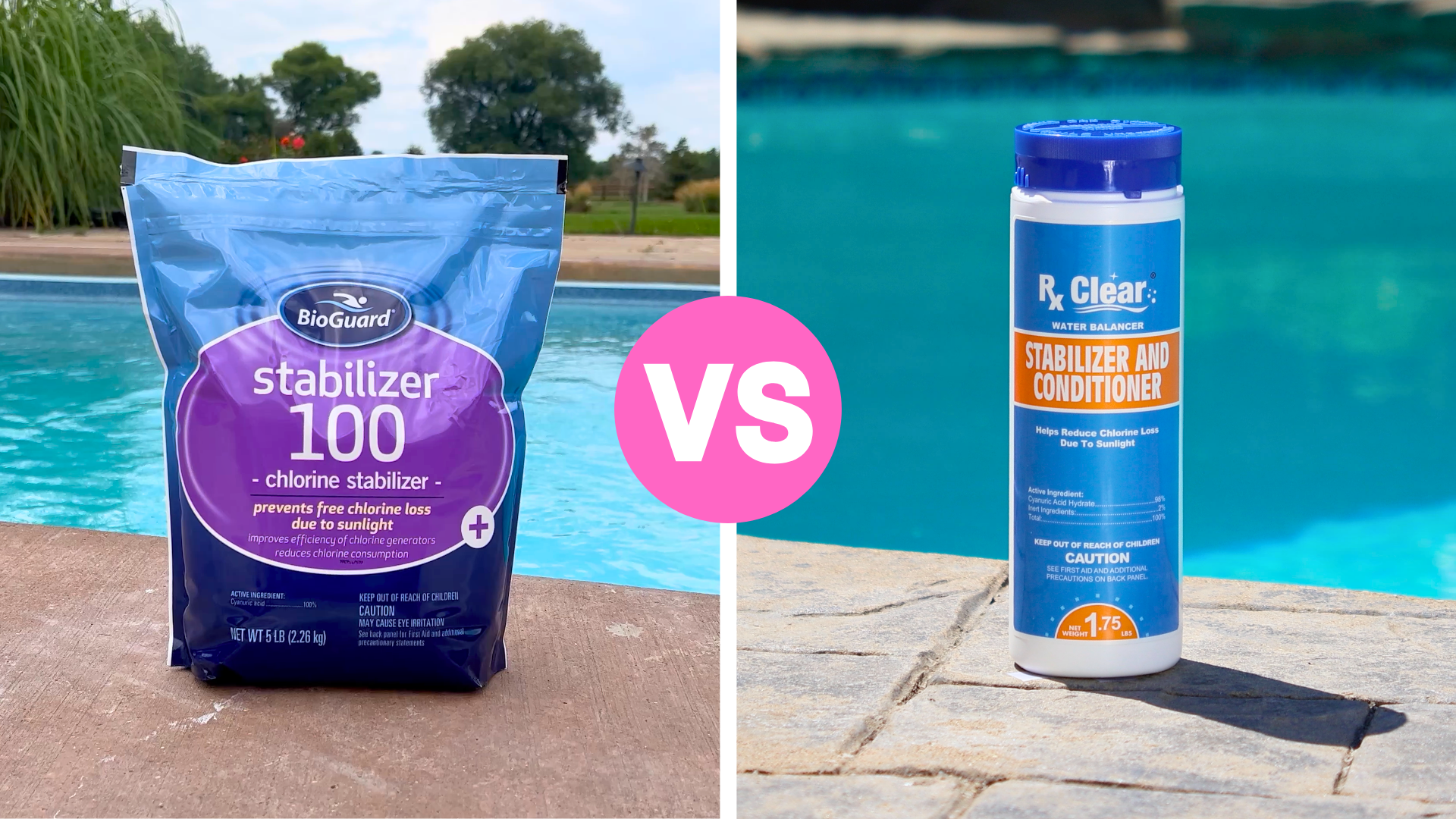
Learn what pool conditioner (cyanuric acid) does, ideal CYA levels, and how to add it safely. Read on to protect your pool's chlorine all summer.
Pool clarifier is an easy way to clear up cloudy pool water. But how should you use it? Here's when to use a water clarifier for your pool.
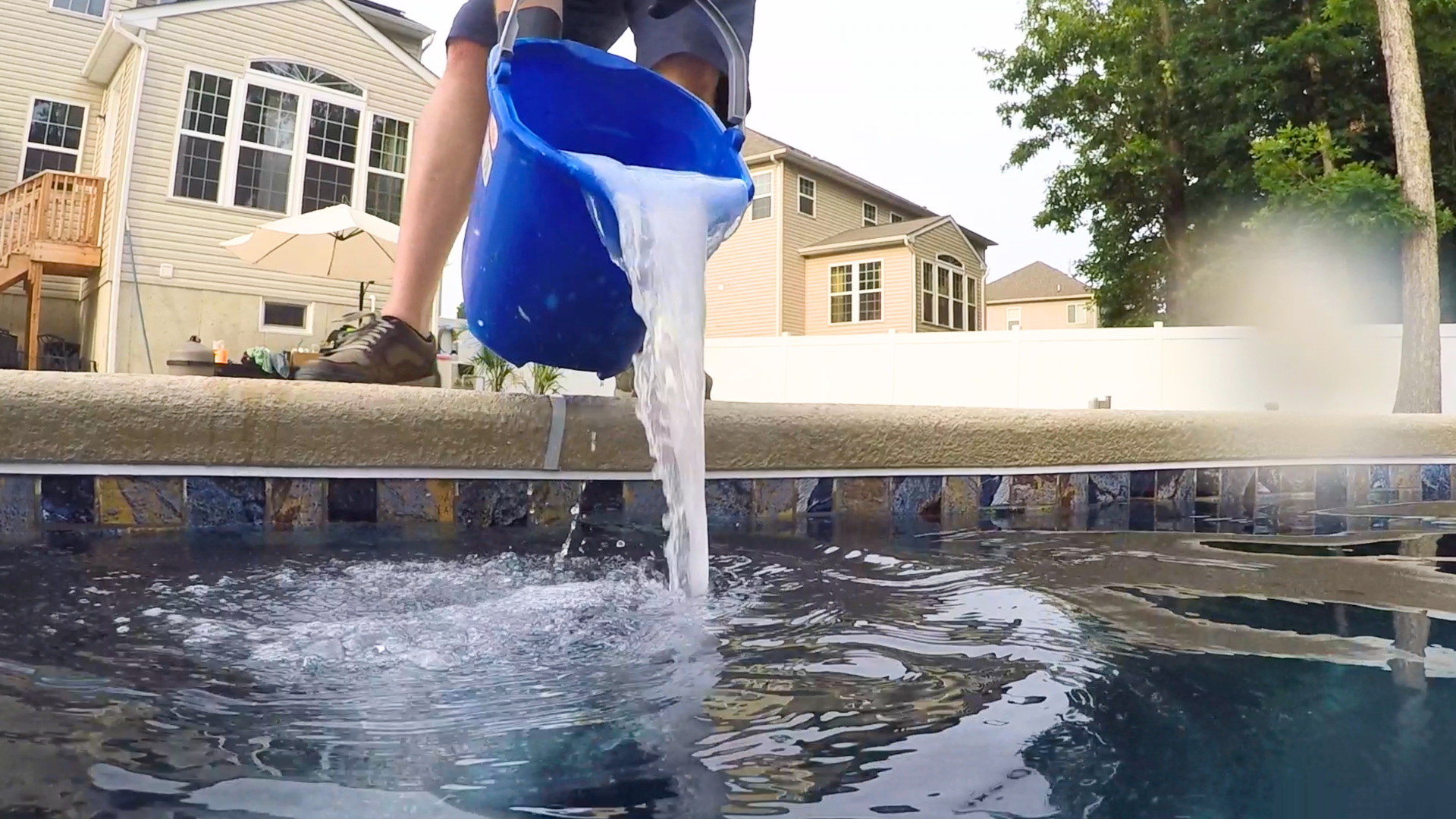
Learn how to shock a pool, which type of shock to use, and how much to add. Get the step-by-step guide to safe, effective pool shocking.
Whether you’re using tablets, granules, or liquid chlorine, you need to add chlorine to your pool about once a week. So here’s a quick guide...


