Every pool is different. Get a free step-by-step plan for yours.
Get My Free PlanThis one is for above ground pool owners. The idea behind adding an air pillow under your cover is that it absorbs the pressure from expanding ice. And that takes pressure away from your pool walls. They also keep water from pooling in the middle of your cover, where it’s hardest to reach.
I’m not totally convinced that they’ll protect you from ice damage. They’re just floating on top. But it does help with water pooling in the middle.
So do you need to use a pool pillow? Maybe, but I’m leaning no. I really don’t think it’s going to save your pool from real ice damage, but it does help with water pooling in the middle. And it’s only for above ground pools in freezing climates.


An illustrated, step-by-step guide to taking care of your pool yourself. Works for chlorine and saltwater pools.
It’s a vinyl, inflatable pillow you place in the middle of your above ground pool, between the water and the winter cover.
A pool air pillow is used to compensate for the accumulation of rain, snow, and ice that may build up on the pool cover over the winter months.
By placing an air-filled pool pillow under the winter cover, you create a void in the water and on the top of the cover. When rain, snow, and ice accumulate and pressure builds on the cover, the ice will expand inward toward the pillow.
Without the pool air pillow, ice would expand outward, putting pressure on your pool walls and causing potential damage to your cover, liner, and pool walls.
It’s easy to integrate this into the process of winterizing your above ground pool.
You need to know the size of your pool first. The best way to figure this out is to measure the diameter of your pool. You don’t need to know the volume, but if you’re curious, you can use our pool volume calculator.
| Pool Size | Recommended Pillow | Maximum Pillow Size |
|---|---|---|
| 12 ft round | 4 x 4 ft | 4 x 8 ft |
| 15 ft round | 4 x 4 ft | 4 x 8 ft |
| 16 ft round | 4 x 4 ft | 4 x 8 ft |
| 18 ft round | 4 x 8 ft | Two 4 x 4 ft |
| 21 ft round | 4 x 8 ft | One 4 x 15 ft or two 4 x 8 ft |
| 24 ft round | 4 x 8 ft | One 4 x 15 ft or two 4 x 8 ft |
| 27 ft round | 4 x 15 ft | Two 4 x 15 ft |
| 28 ft round | 4 x 15 ft | Two 4 x 15 ft |
| 30 ft round | 4 x 15 ft | Two 4 x 15 ft |
| 33 ft round | 4 x 15 ft | Two 4 x 15 ft |
| 12 x 18 ft oval | 4 x 4 ft | 4 x 8 ft |
| 12 x 20 ft oval | 4 x 8 ft | 4 x 15 ft |
| 12 x 24 ft oval | 4 x 8 ft | 4 x 15 ft |
| 15 x 24 ft oval | 4 x 8 ft | 4 x 15 ft |
| 15 x 26 ft oval | 4 x 8 ft | 4 x 15 ft |
| 15 x 30 ft oval | 4 x 8 ft | 4 x 15 ft |
| 16 x 25 ft oval | 4 x 8 ft | 4 x 15 ft |
| 16 x 32 ft oval | 4 x 8 ft | 4 x 15 ft |
| 18 x 34 ft oval | 4 x 15 ft | 4 x 15 ft |
| 18 x 36 ft oval | 4 x 15 ft | 4 x 15 ft |
| 18 x 38 ft oval | 4 x 15 ft | 4 x 15 ft |
| 18 x 40 ft oval | 4 x 15 ft | Two 4 x 15 ft |
| 21 x 41 ft oval | 4 x 15 ft | Two 4 x 15 ft |
| 21 x 43 ft oval | 4 x 15 ft | Two 4 x 15 ft |
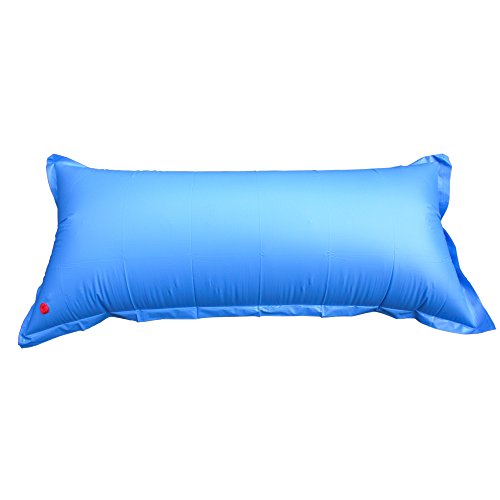
This air pillow absorbs pressure caused by ice expansion, protecting the swimming pool walls from damage during the winter months.
Inflate the pool air pillow to only 50% to 80% of its capacity to allow for compression. If you overfill the air pillow, it’s more likely to pop during the winter. This is a common complaint.
To inflate it, you can use:
My favorite tool for the job is this portable air compressor. I use it for inflating car tires, bike tires, pool floats, and more.

Blow up pool floats, rafts, and inflatable hot tubs fast, then pull the air back out for easy storage, with one handy pump that runs on a battery, your car, or a wall plug.
The reason you want it in the center of the pool is to make it easier to remove water off the cover around the edges. So there are two ways to do this:

A straightforward solution for securing an air pillow to a winter pool cover without ropes. It includes two flexible, peel-and-stick patches that adhere to both the pillow and the cover, ensuring the pillow stays centered and assisting with effortlessly positioning the cover over the pool.
Pull the winter cover over the pool, being careful to keep it above the pillow. (This may be easier with the help of a friend or two.) Then, secure the cover using the cable and winch, cover clips, and water bags.
If the pool pillow moves while you’re putting the cover on, you can slide a pole under the cover to move the pillow back into place. Just make sure it doesn’t have a sharp point that can puncture the pillow, the cover, or both!
Important: We highly recommend using an actual pool air pillow for this purpose. Inner tubes or exercise balls won’t work as well.
No. Air pillows are really only for above ground pools to help with water removal from the top of the cover. They also claim to prevent ice expansion damage against the walls. Since an inground pool is literally in the ground, ice expansion against the walls shouldn’t be an issue.
No, not really. A pool pillow is supposed to absorb pressure from expanding ice so it doesn’t push on your pool walls. But I’m not convinced it does much when it’s just floating on top of the water and not submerged. Where it does help is keeping water from pooling in the middle of your cover. This makes it easier to remove the water since it pushes the pooling water to the edges where you can reach it.
If your pool water doesn’t freeze, you don’t need a pillow. That said, it does help with water removal off the cover.
Nothing. I would just leave it alone. Just keep an eye on your cover and pump off any water that collects in the middle. If you’re worried about freezing, it doesn’t matter where the pillow sits under your cover, so you can add another one at any time without needing to push it to the middle.
You can, but you don’t need one. A mesh cover lets rain and snowmelt drain right through, so water won’t pool on top. And you don’t need to worry about the ice expansion putting pressure on the pool walls because it’s in the ground.
Yes. But I would recommend taking the pool down if it’s small enough. Otherwise, if you have a large pool, then treat it the same way as any other above ground pool. Make sure you winterize it correctly.
Pump the water off your cover and clear off any leaves first, so all that junk doesn’t end up in your pool. Then remove the cover, untie the pillow, and let the air out. If it’s still in good shape, rinse it off, let it dry completely, and store it somewhere dry until fall.
Yes. But honestly, they’re so cheap, it’s probably just worth replacing. Otherwise, if you try to patch it, it might deflate during the winter.
Get a cover pump. Even with a pillow, rain and snowmelt can collect on your cover, and too much weight will stretch it or pull it into the pool. Check out our guide to the best pool cover pumps to find one.
Answer a few questions and we'll tell you what to test, what to add, and when.
Get My Free Plan
Matt is the founder of Swim University. He's been in the pool and spa industry since 1996. His mission is to make pool and hot tub care easy. Each year, he continues to help people with water chemistry, cleaning, troubleshooting, and more.
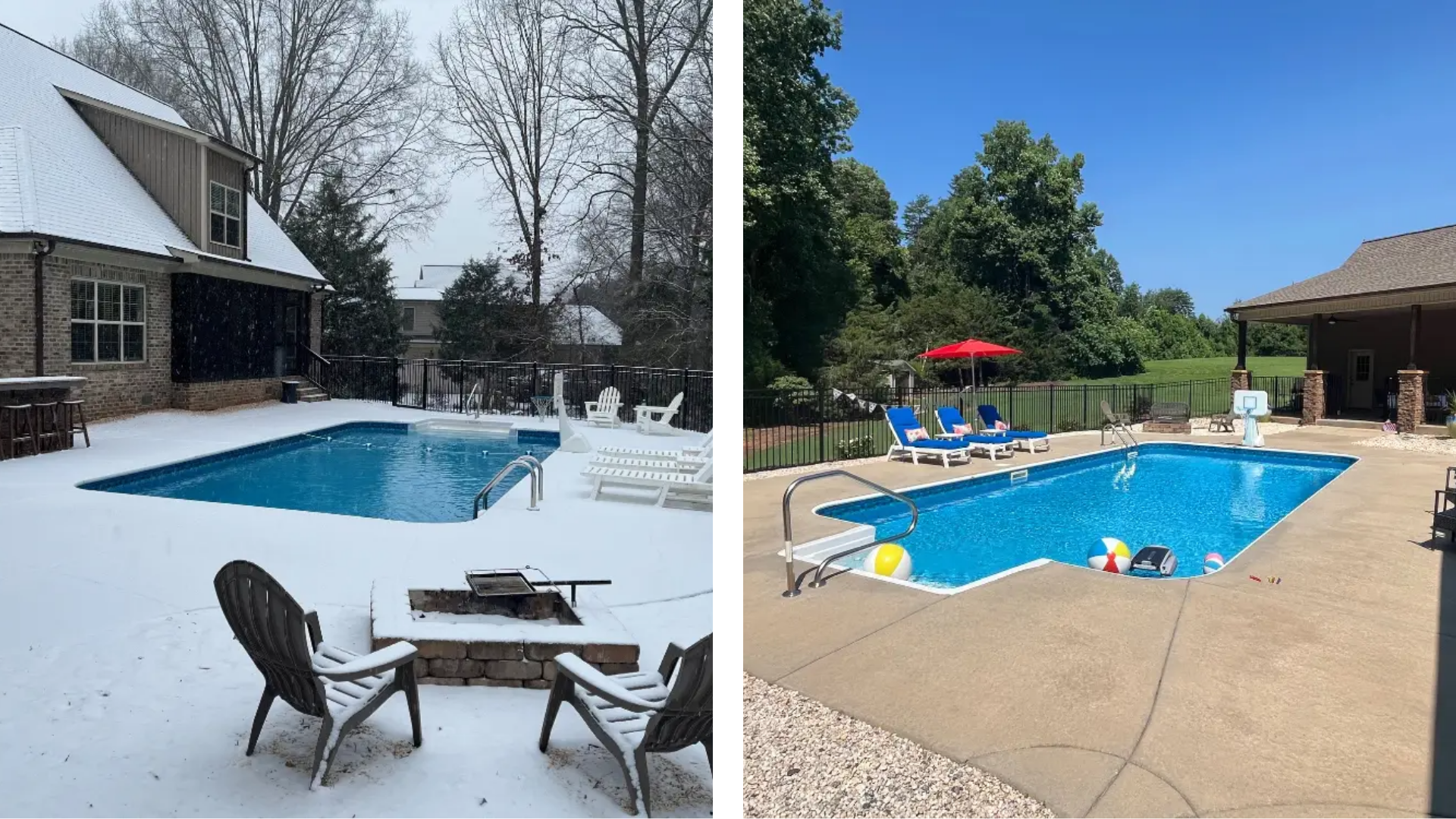
Taking care of your pool doesn't end when you put the cover on. Maintain your pool during the winter, and make next season's opening a lot easier.

No-nonsense strategies to fix your sagging pool cover, keep it snug, and ensure it doesn't get destroyed over the winter months.
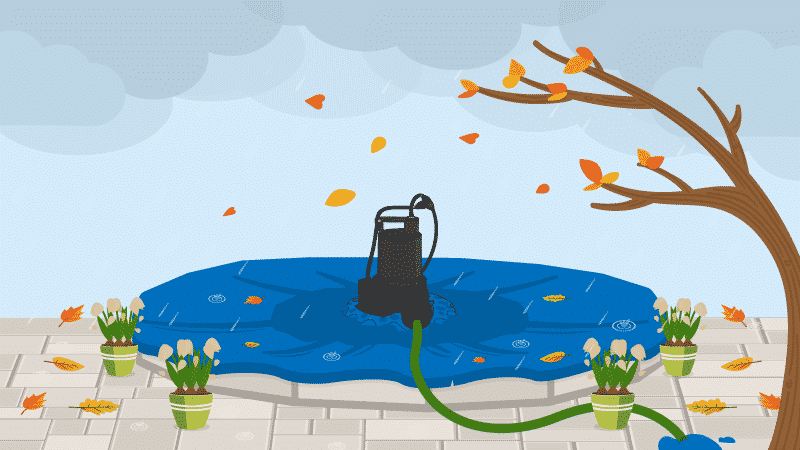
Find the best pool cover pumps for winter 2025/2026. Compare automatic vs. manual options & learn why you need one to protect your cover. ✓
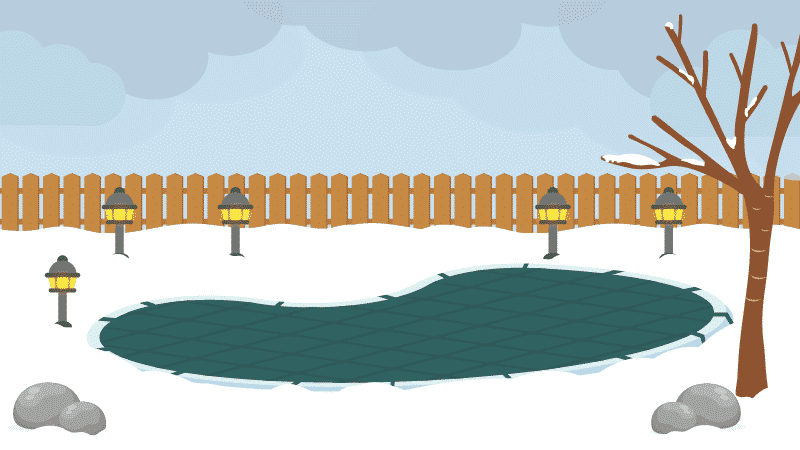
We picked the best winter covers that'll keep out dirt and debris, reduce the number of opening chores, and protect the pool from damage.
Keep your pool heater safe from vermin by learning how to keep mice and rodents out of your pool heater so it will warm your water when you need it.
Learn exactly how long to run your pool pump in winter based on your climate, outside temperature, and water clarity.


