Every pool is different. Get a free step-by-step plan for yours.
Get My Free PlanIs your pool pump not working? Is it making a humming sound or a loud squealing noise? Well, before you call in a professional, there are 5 things you can do to troubleshoot it on your own. And one method actually involves hitting it with a shoe.

Stop wasting time and money on confusing water chemistry and maintenance. Our effortless system guarantees to keep your pool balanced, sanitized, and crystal clear all year. Works for all pools, including saltwater.
First, if your pump is making a humming sound, it means there’s something wrong with the motor. Here’s 3 things to try:
Find the electrical breaker that controls your pump, turn it off, and then turn it back on. It could just be that the breaker tripped.
The impeller is the only moving part in your pump. It propels the water from the pool into your filter at a high speed. If it’s jammed, the motor can seize up. So turn off your pump at the breaker, remove the pump basket, and manually spin your impeller.
You can find the impeller by reaching into the pump housing and feeling around for it towards the back of the pump. A screwdriver or a bent wire hanger can help here. Once you turn the pump back on, spinning it manually or removing anything caught inside can restart it.
Using a rubber mallet or a rubber-soled shoe, hit the pump motor as it tries to turn on. Make sure whatever you’re using has a rubber cushion and that you’re hitting the motor right when it turns on.
Obviously, don’t accidentally damage your pump this way. But you’d be surprised how often a solid few hits can solve the issue. What is the downside to this method working? It probably means you’ll need to replace the motor sooner rather than later.

This hammer features soft faces that provide a solid strike without damaging the work surface, making it ideal for delicate tasks.
That’s probably coming from your motor’s bearings and it means they’re corroded. Your pump probably overheated at some point, causing a leak and chlorinated water to get into the motor’s electrical components.
Unfortunately, this means you’ll need to replace this part of the pump or your entire pump.
Check your water flow. If your pump is running but making a gurgling sound, it could mean it’s not getting enough water. Make sure your pool’s water level is at least halfway up the skimmer, and try priming the pump by adding water with a garden hose.
Answer a few questions and we'll tell you what to test, what to add, and when.
Get My Free Plan
Matt is the founder of Swim University. He's been in the pool and spa industry since 1996. His mission is to make pool and hot tub care easy. Each year, he continues to help people with water chemistry, cleaning, troubleshooting, and more.
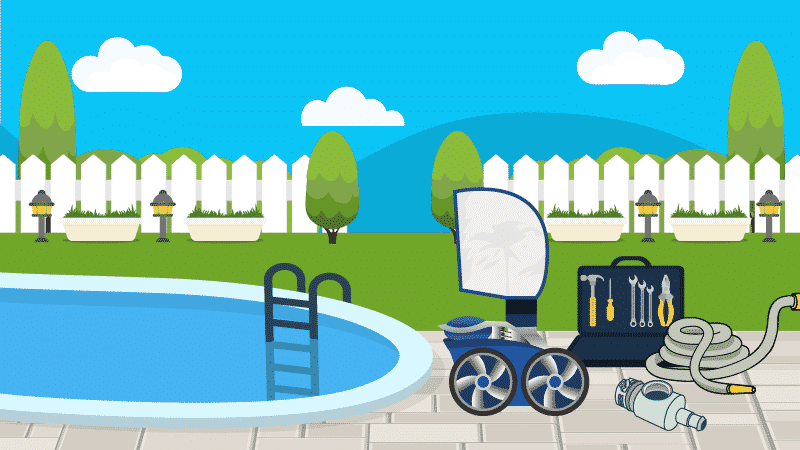
Stallouts. Hose tangles. Frustration. All of these can be solved via Polaris pool cleaner troubleshooting. Learn the easy fixes and get back to swimming!
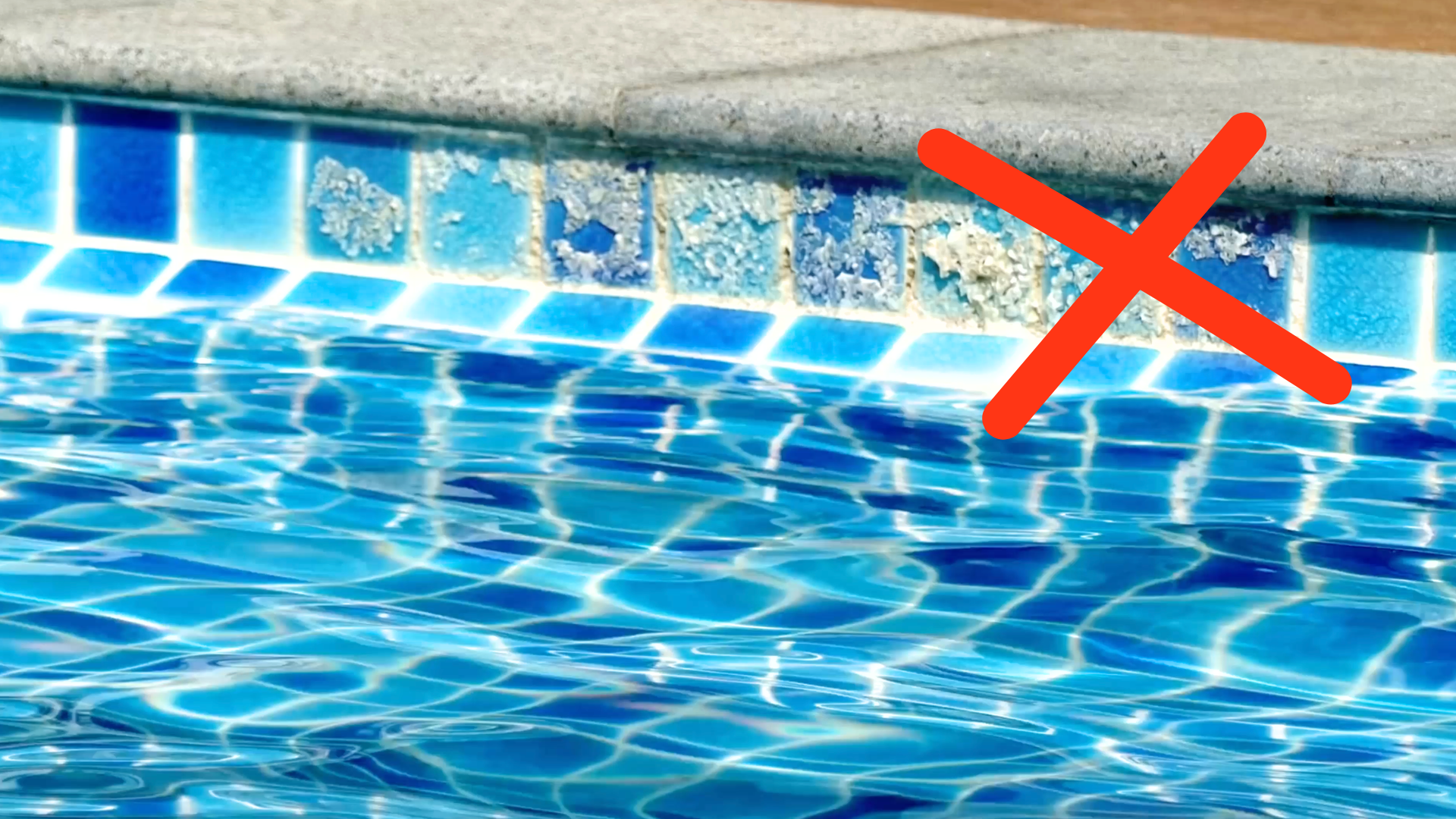
White, chalky calcium buildup means your pool chemistry is unbalanced. Learn how to remove pool scale and stop it from coming back.
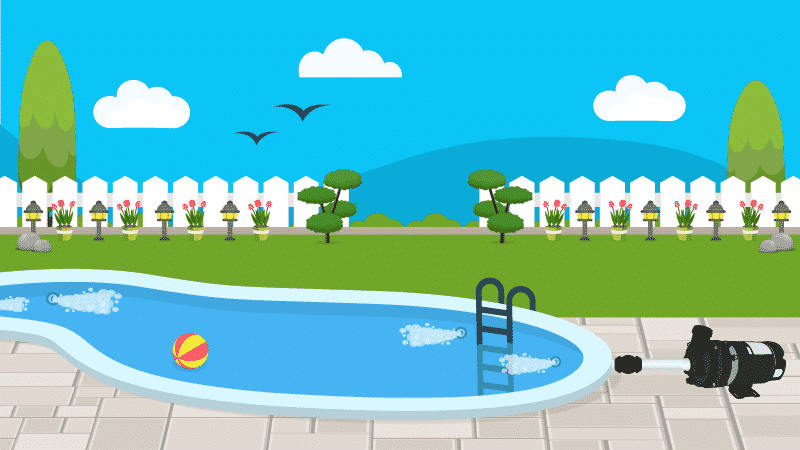
Air can be a good thing in lots of places. But you know what's not so good? Air in a pool pump. To fix it, you need to know where to look.
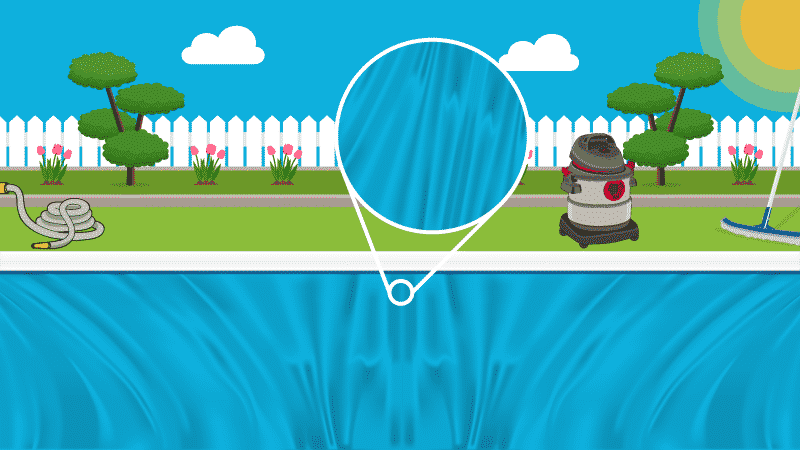
Do you have pool liner wrinkles? Try these tips to remove them so walking in your pool is a smooth experience, and you can avoid snags and tears.
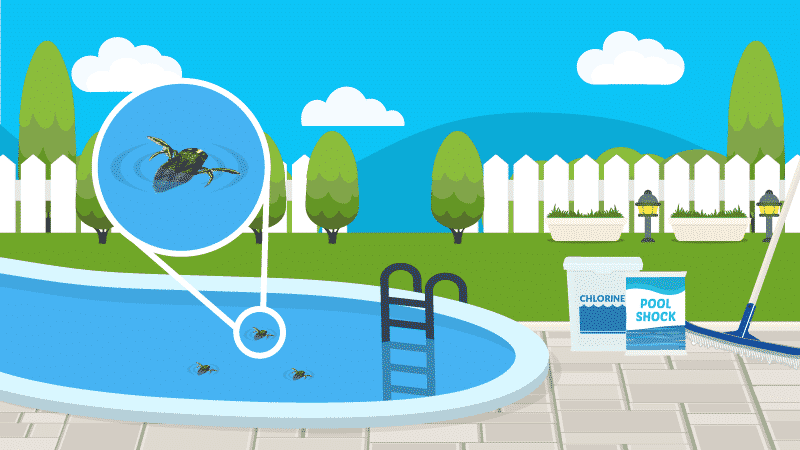
Water bugs in your pool? Not for long! All you need is a few tools, a couple of chemicals, and a little time, and you can get rid of them for good.

Changing a pool light bulb isn't like changing a bulb in a lamp, but it's not difficult, either. You can do it with the right tools, and a careful process.


