

How Long to Run a Pool Pump in Winter
 Matt Giovanisci
  January 8, 2026
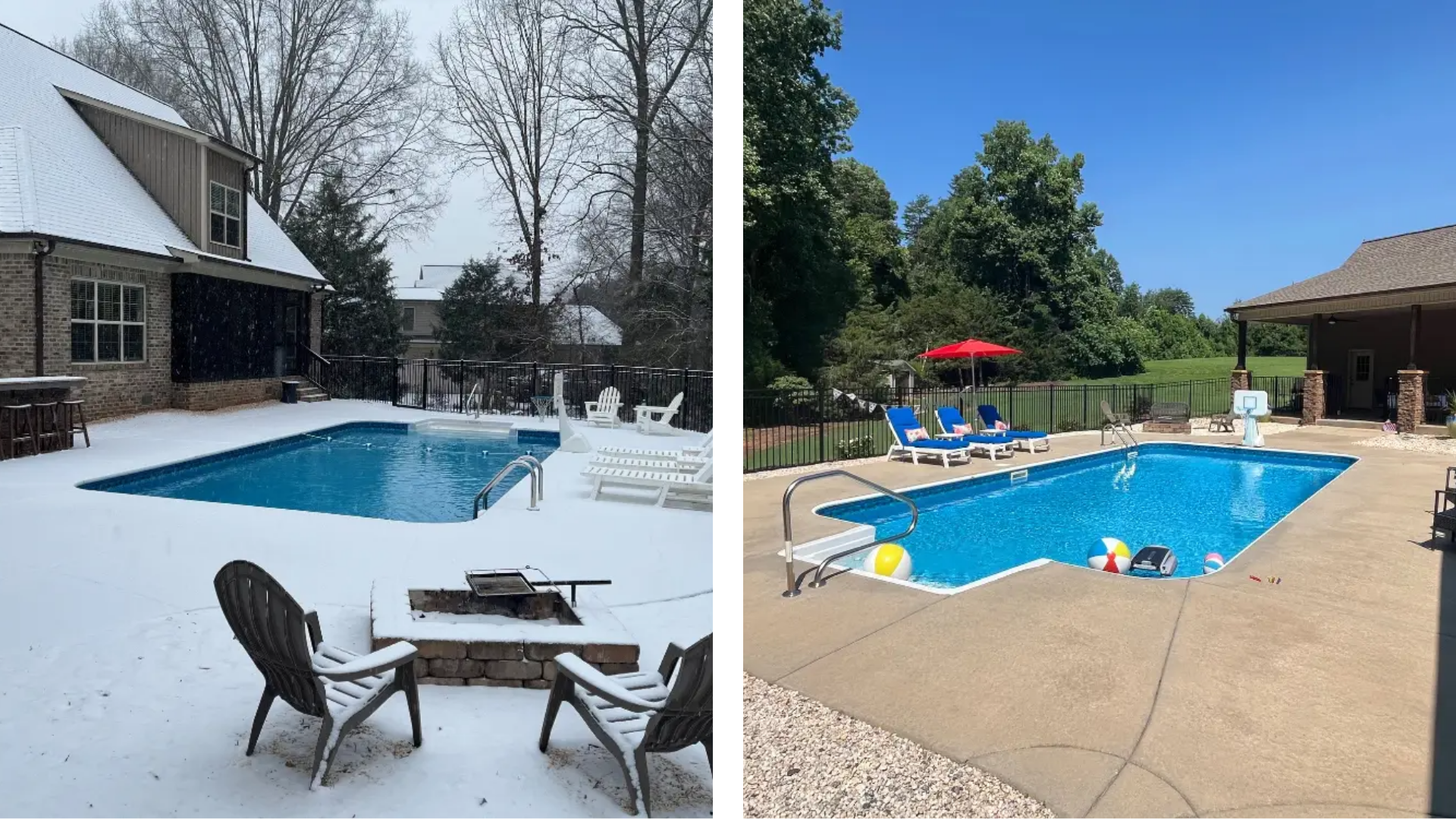
 How long you need to run your pool pump in the winter depends on your outside temperature, the clarity of your water, and whether you plan to swim in your pool.
In mild winter weather, run your pool pump for 4 to 6 hours daily. If people are actively using the pool, increase your run time to at least 8 hours. However, when temperatures drop below 40°F (4°C), plan to run your pump 24/7 to prevent freeze damage.
Here’s a complete guide on calculating exactly how long to run your pool pump in the winter based on the outside temperature and your pool usage.
This is the ultimate guide to keeping your pool sparkling clean throughout the year that contains everything you need to know about taking care of your pool the right way. Including saltwater pools.
Run Your Pump Less in Mild Winter Temperatures
If you live somewhere where temperatures rarely drop below 40°F (4°C), keep your pump running for 4 to 6 hours daily, except during periods of freezing temperatures or heavy debris. This keeps your water circulating without wasting electricity.
Cold water prevents algae growth below 60°F (16°C), so you need less circulation than in summer. When your pool isn’t in heavy use and outdoor temperatures are mild, plan to run your pump less than in the summer months.
Calculate Your Pump Run Time with the 1 Hour per 10°F Rule
To calculate your exact pump run time in the winter, follow the 1 hour per 10°F rule. Run your pump for one hour for every 10 degrees Fahrenheit of outdoor temperature. For example, if the temperature outside is 50°F (10°C), run your pump for 5 hours each day. The only exception to this rule is if temperatures start to drop below 40°F (4°C). Plan to run your pump 24/7 to prevent freeze damage.
If you notice cloudy water developing, increase your pump run time by 2-hour increments until the water clears. You’ll also want to run your pump more and clean your filter if you’re experiencing heavy debris, like leaves.
Finally, you’ll need to increase your pump run time if you’re using your pool. Plan to run your pump for at least 8 hours each day to circulate all of your water through the filter at least once. Check out our guide on How Long to Run Your Pool Pump for more in-depth warmer weather calculations.
Run Your Pump 24/7 When Temperatures Drop Below 40°F
When temperatures drop below 40°F (4°C), keep your pump running 24/7 until the temperatures rise again. This constant water movement prevents freezing in your plumbing lines and equipment. Even if the surface appears frozen, moving water in your pipes won’t freeze.
If you have a variable speed pump, run it at low speed continuously. Low speeds use significantly less energy while circulating the water to prevent freezing.
Use a programmable timer to optimize your pump schedule around temperature patterns. Consider installing a freeze sensor if you get at least one freeze each year while your pool is open. This monitors air and water temperature, automatically activating your pump when temperatures approach freezing. Some newer pump models include built-in freeze protection that handles this automatically.
However, running your pump alone won’t be enough in extreme cold and sustained temperatures below freezing. A pool heater becomes critical if temperatures consistently stay below freezing. Otherwise, consider winterizing your pool during the coldest months.
Should You Run Your Pool Pump 24/7 in Winter?
Running your pump 24/7 is only necessary if it’s freezing outside. During milder periods when temperatures stay above 40°F (4°C), you can reduce your pump run time to 4 to 6 hours daily.
Plan to run your pump continuously if nighttime temperatures start to drop near freezing (below 40°F or 4°C). Ice formation happens quickly once temperatures hit freezing, and even a brief pump shutdown can cause freeze damage. The constant water movement through your plumbing system prevents ice crystals from forming.
Should You Close Your Pool for the Winter?
If power outages are common in your area during winter storms, consider whether keeping your pool open is worth the risk. A single extended outage during freezing weather can damage or destroy your entire plumbing system. If you’re worried about power outages or your temperatures frequently dip below freezing, plan to winterize your pool.
Is It Better to Run Your Pool Pump at Night or During the Day?
Running your pump at night works especially well in winter because that’s when freezing temperatures are more likely to occur. Program your timer to start pumps around sunset and run through sunrise.
Electricity rates also typically drop during off-peak hours at night. However, freeze protection overrides any energy savings. If temperatures drop below 40°F (4°C), run your pump regardless of the timing or the electricity rates. The cost of running your pump 24 hours is far less than replacing frozen equipment.
Can You Run Your Pool Pump Too Long?
You cannot damage your pump by running it too long under normal winter conditions. Running your pump 24/7 during freeze conditions is not only safe but recommended. The bigger risk is not running it enough.
However, running your pump dry will cause serious damage. Without water, your pump’s motor overheats quickly. It can even melt pump seals and damage plumbing.
Always keep your water level halfway up your skimmer opening. Low water causes your pump to suck in air, leading to overheating and motor failure. Check water levels weekly during the winter months.
Signs Your Pump Is Working Too Hard
Loud rattling means your pump motor needs better water flow. Clear any blockages in your skimmer and check for air leaks. High-pitched screeching indicates bad bearings, which need professional repair.
If your pump constantly loses prime or leaks even when turned off, it’s likely reaching the end of its lifespan. A well-maintained pool pump lasts 8-10 years. If you need more help with a problematic pump, check out our Pool Pump Troubleshooting Guide.
Key Takeaways
- Run your pool pump 4 to 6 hours daily in winter when temperatures are mild and stay above 40°F (4°C).
- Keep your pump running continuously (24/7) whenever temperatures drop below 40°F (4°C) to prevent freeze damage to plumbing and equipment.
- Running your pump 24/7 won’t damage it, but running it dry will cause motor overheating and seal damage within minutes.
- Install freeze sensors or use variable-speed pumps with built-in freeze protection to automate winter pump operation and prevent costly equipment damage.
- Maintain the water level halfway up your skimmer opening to prevent air from entering your system and causing pump failure.
3 Ways We Can Help With Your Pool
- The Pool Care Handbook: An illustrated guide to DIY pool care, including water chemistry, maintenance, troubleshooting, and more.
- The Pool Care Video Course: You’ll get 30+ step-by-step videos and a downloadable guide with everything you need to know about pool maintenance.
- The Pool Care App: Enter your water test results. Get a custom treatment plan. Know exactly what chemicals to add to keep your pool clear.