Cyanuric acid (CYA), also called pool stabilizer or conditioner, protects the chlorine in your pool from the sun. Without it, sunlight can burn off most of your free chlorine in just a few hours. Too much CYA causes the opposite problem: your chlorine slows down, and cloudy water and algae follow. For most outdoor chlorine pools, aim for 30 to 50 ppm. Saltwater pools usually run a little higher. The guides below cover how to test CYA, how to raise it with granular or liquid stabilizer, how to lower it when it climbs too high, and why chlorine tablets keep adding more. Start with the basics, then jump to the problem you’re trying to fix.
Every pool is different. Get a free step-by-step plan for yours.
Get My Free Plan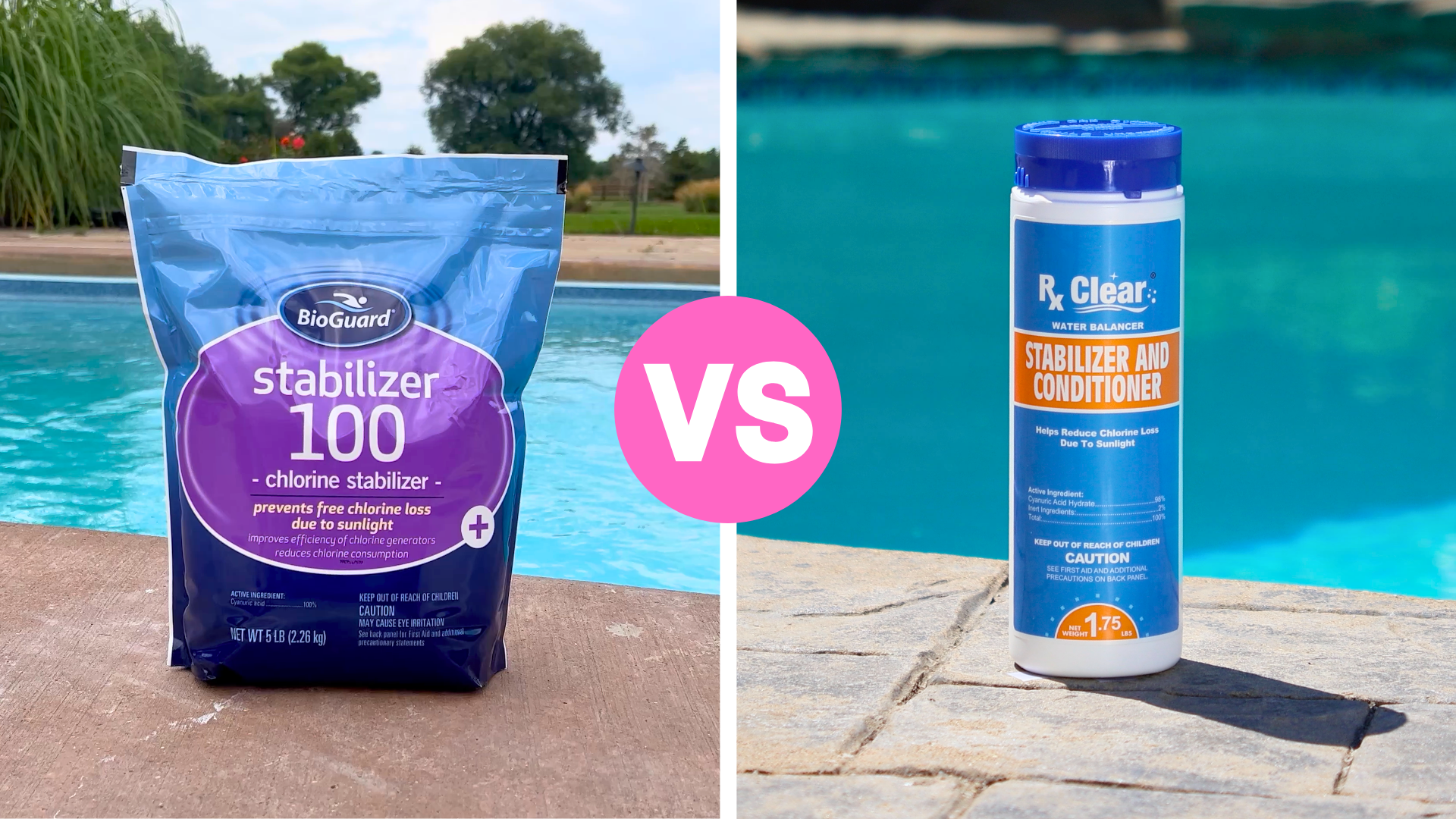
Learn what pool conditioner (cyanuric acid) does, ideal CYA levels, and how to add it safely. Read on to protect your pool's chlorine all summer.
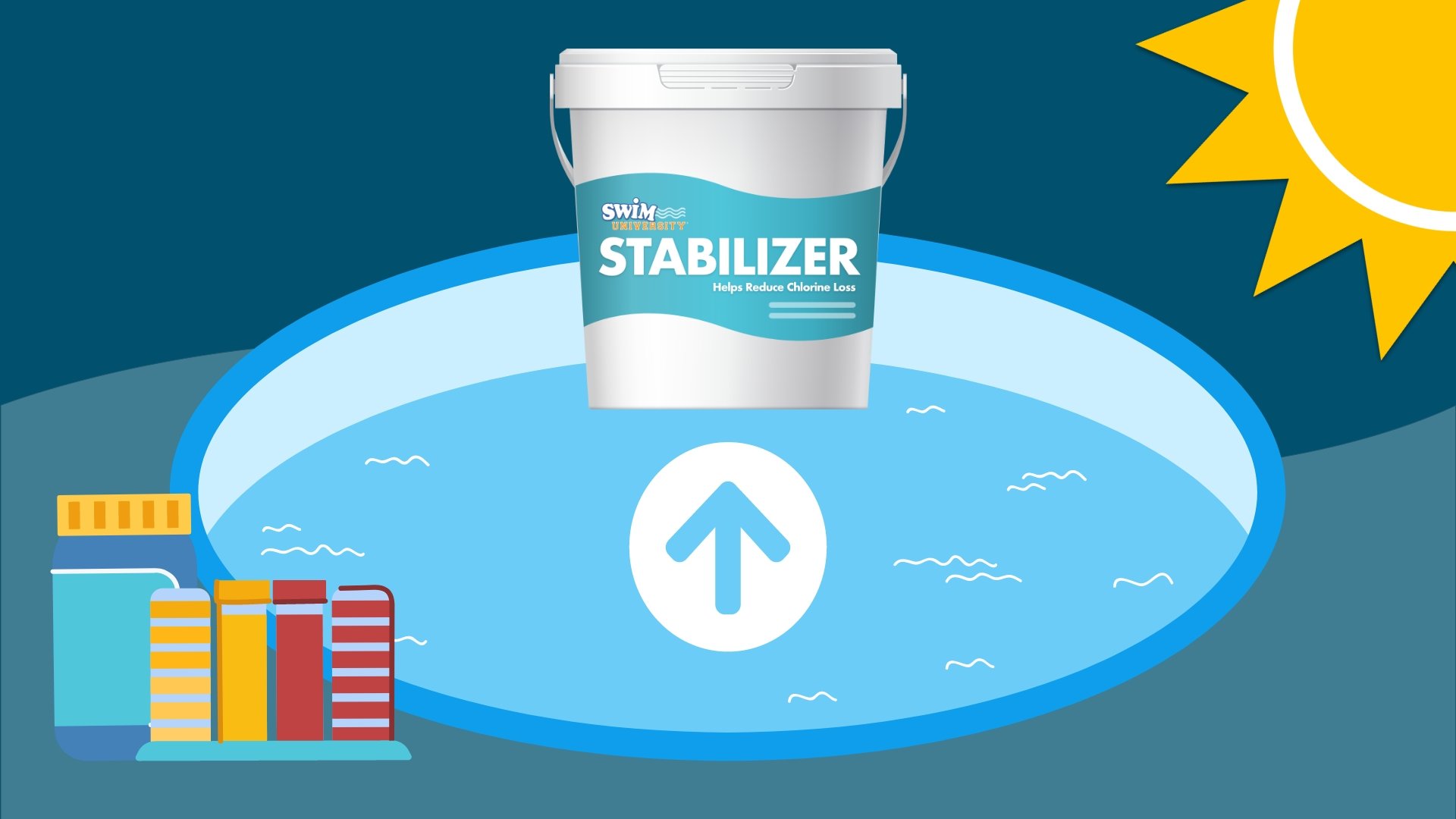
Need to raise the cyanuric acid in your pool? Here are two simple ways to bring up the CYA levels in your pool.
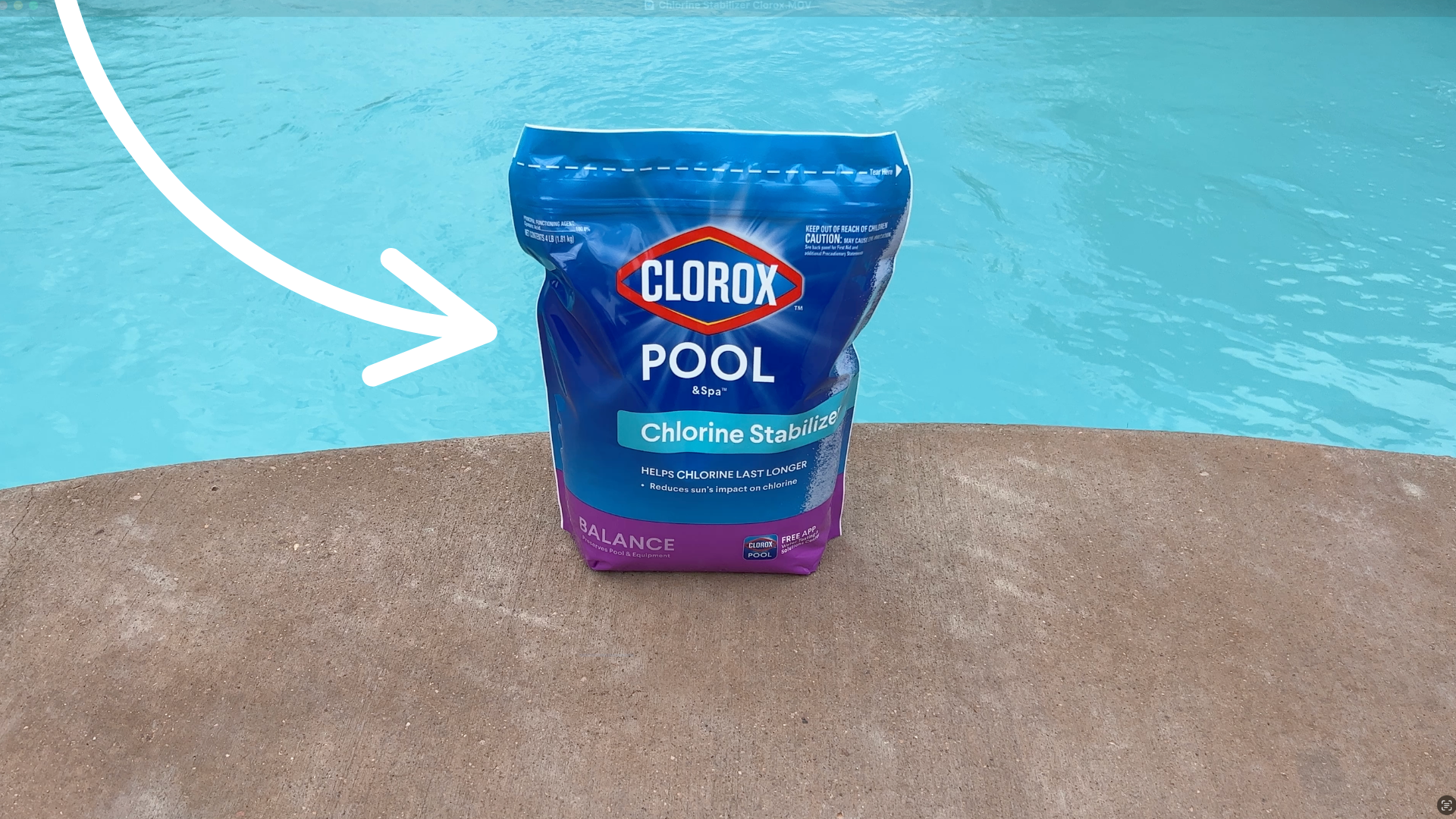
Confused about cyanuric acid, CYA, or pool stabilizer? They're the same chemical. Learn ideal levels, dosing, and fixes. Start testing today.
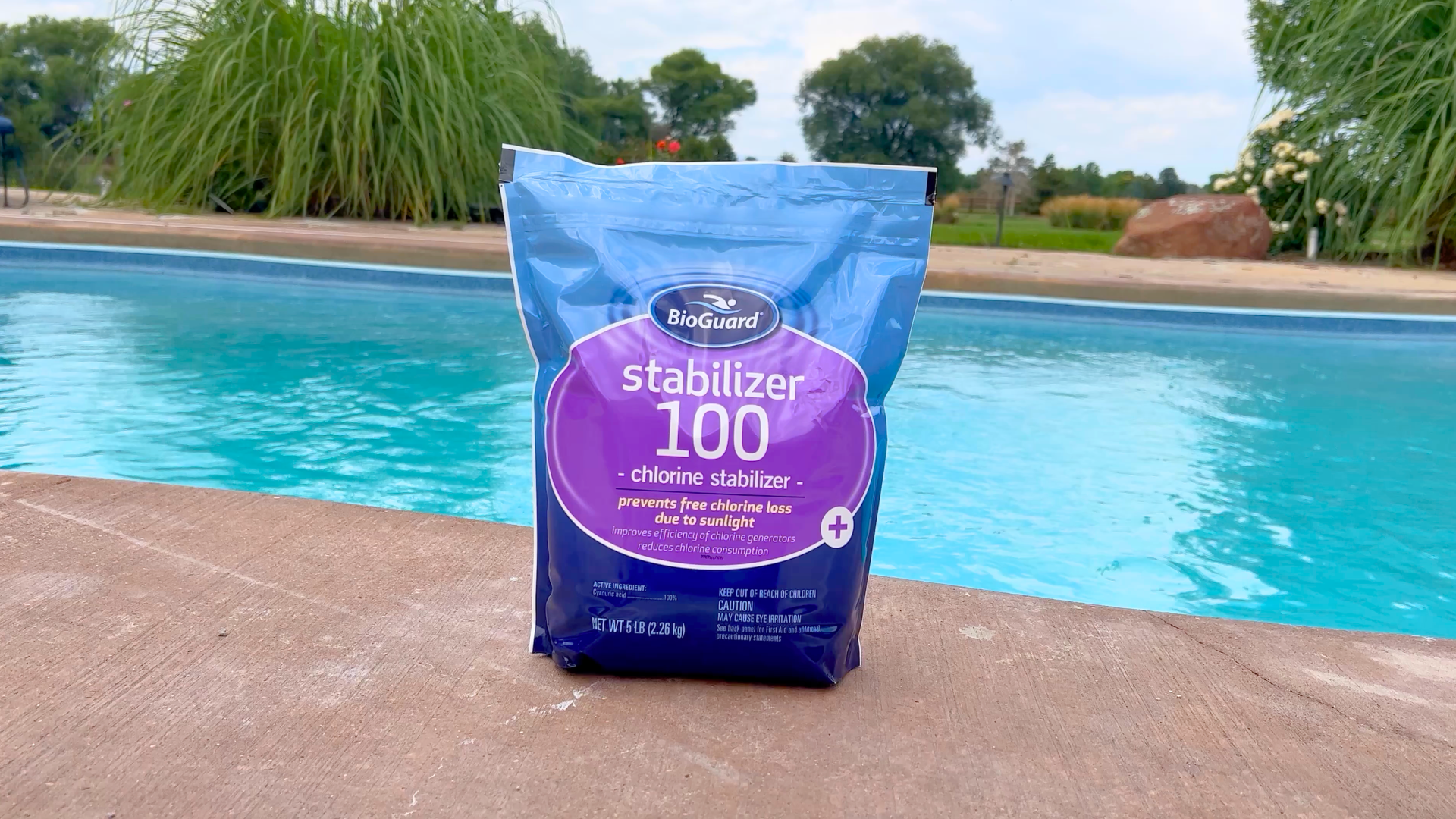
Does adding a pool chemical once a year sound too good to be true? Welcome to stabilizer for your pool! Learn how important it is for sanitation.
Need to lower the cyanuric acid in your pool? Here's the guaranteed way to bring down your CYA levels in your pool water.
How do you know if your pool suffers from chlorine lock or demand? Hint: Only one of them is a valid problem. Find out which one and how to fix it.


