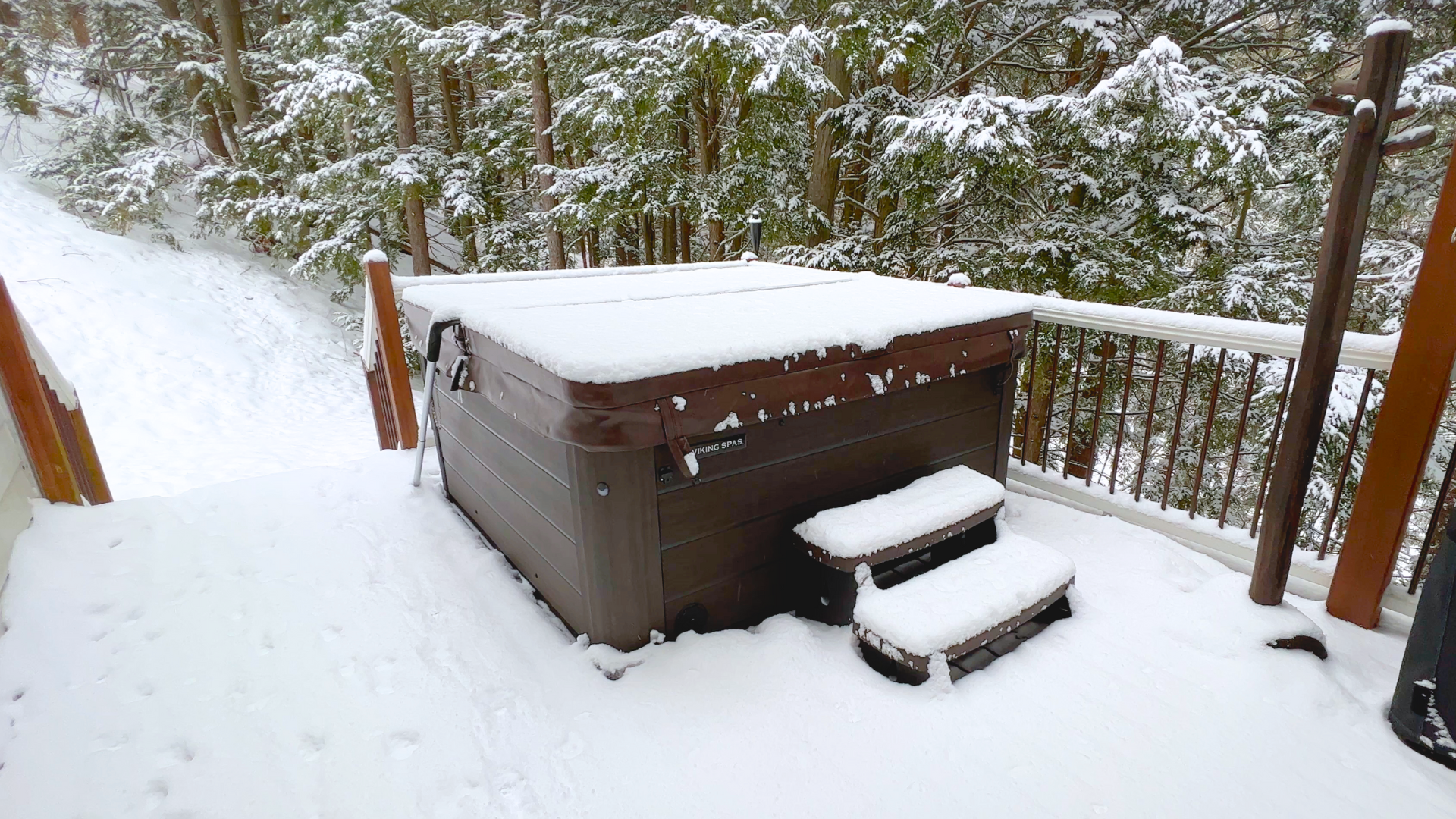



How to Winterize a Hot Tub

If you won’t be using your hot tub for an extended period over the winter, you’ll need to close down and winterize your spa. This includes removing all the water from the tub, draining out all of the water from the plumbing and jets, and, in some cases, adding antifreeze. If you don’t properly winterize, you risk equipment and pipe damage in freezing temperatures.
Here’s how to decide when to winterize, what supplies you need, how to properly winterize your hot tub step-by-step, and how to protect your spa during the winter if you decide to keep it running.
Want a physical copy of these steps? Check out the Hot Tub Handbook (or keep reading for the tutorial).

Should You Winterize Your Hot Tub or Keep It Running?
When to shut down or keep your hot tub running in the winter depends on whether you can maintain it. Can you keep the water regularly balanced, heated, and circulating? If you can’t, it might be time to winterize your spa.
Winterizing your spa doesn’t mean turning off the power and leaving your hot tub full of water. Without proper circulation and filtration, your spa water can become stagnant, slimy, and unsanitary. Also, if the water isn’t heated in the winter, your hot tub plumbing is at risk of freeze damage.
Here’s when to consider closing down your hot tub:
- You’ll be away from your hot tub for more than a month. While you can skip a few weeks of chemical dosing, you still need to heat and circulate your water daily. However, if you can’t test and balance your water for a month or longer, plan to winterize your spa.
- You don’t plan to use your hot tub often during the winter. The colder it gets outside, the more energy it takes to keep your hot tub water warm. If you don’t want to spend the energy (and money) to keep the water warm, consider winterizing it.
- You have lengthy power outages. If temperatures drop below freezing and your hot tub is without power for more than 24 hours, you risk freeze damage to your hot tub pipes. While an occasional or surprising power outage is unavoidable, winterize your spa if these outages happen frequently.
Timing your spa’s winterization is important, too. Plan to winterize your hot tub in late fall or whenever temperatures remain above freezing. If it’s freezing outside and you try to winterize your hot tub, you risk the water freezing as you drain the spa.
Hot Tub Winterizing Supplies
In addition to your regular hot tub draining and cleaning supplies, you’ll need a wet/dry vacuum with both blower and vacuuming functions. I recommend a wet/dry vacuum that’s at least 5 hp to help blow out all of the water from the plumbing. Pool-grade antifreeze is also helpful but optional.
- Sump pump (submersible pump)
- Wet/dry vacuum (at least 5 HP)
- Pool-grade or spa-grade antifreeze
- Garden hose with spray nozzle attachment
- Hot tub line flush cleaner
- Diluted white vinegar or hot tub surface cleaner
- Soft cloth or towel
- Filter cleaner
- Large bucket (5-gallon or 19-liter)
- Hot tub cover cleaner
- Cover guard or tarp
- Wind straps or cover locks
How to Winterize Your Hot Tub (Step-by-Step)
Start your winterization when temperatures are comfortably above freezing and you have several hours available. Follow each step carefully and take your time. Depending on the size of your hot tub, the entire process should take two to three hours. Before winterizing your hot tub, read your owner’s manual for instructions specific to your spa model.
Proper winterizing means closing up a clean hot tub without any water in the system. This means there’s no water in the tub, pipes, pump, heater, or any internal equipment where water passes through. Any leftover water in your system can freeze and damage your plumbing, so it’s important to be thorough and take the time to winterize the entire spa thoroughly.
Clean your hot tub as much as possible before closing it down. Leaving the plumbing and surfaces with biofilm and grime just means you’ll need to work extra hard to purge and clean everything when it’s time to reopen and refill.
Step 1. Remove, Clean, and Store the Filter(s)
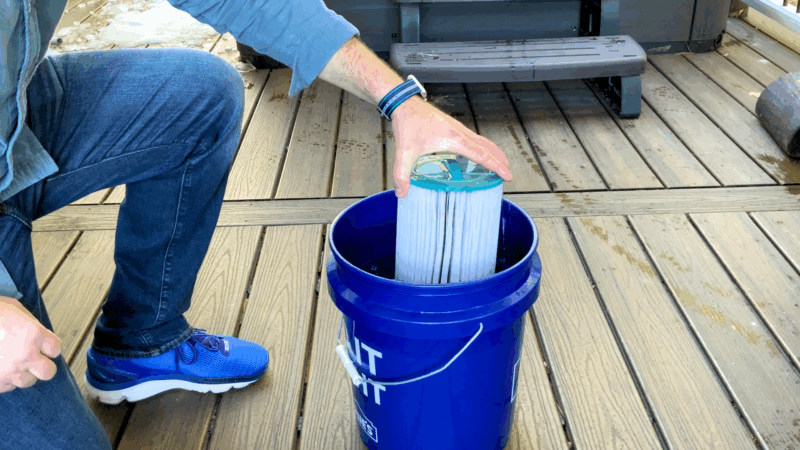
Remove all of your filter cartridges. Soak them overnight or for up to 24 hours in a filter cleaner solution. Then, store them in a clean, dry location. If you need a tutorial on filter cleaning, check out our How to Clean Hot Tub Filters guide.
Step 2. Purge the Plumbing
Before draining any water, add a
If you need more help using a
Step 3. Power Down the Hot Tub
Shut off the power to your hot tub at the breaker. This will ensure the hot tub doesn’t kick on when you close it down.
Step 4. Drain the Hot Tub
To drain your hot tub, use a sump pump and/or a hose connected to your spa’s drain valve.
Once the sump pump and drain have removed as much water as possible, vacuum out any remaining water in the foot well with a wet/dry vacuum. You’ll be vacuuming again later, but try to remove as much as possible from the foot well for now.
Does Your Hot Tub Have Two Drain Valves?
Your spa may have two drain valves: a primary and an auxiliary valve. Use the primary valve to drain out the water from the tub itself. Once the water is drained from the tub, use the secondary valve to drain the internal lines.
Step 5. Clean the Shell and Cover
Wipe down your hot tub shell and surfaces using a hot tub surface cleaner or diluted white vinegar. Then, rinse with a hose. Remove any rinse water with a wet/dry vacuum. Before closing up your spa, clean the underside and top of your cover. Check out How to Clean a Hot Tub Cover for more help cleaning a cover.
Step 6. Remove Water in the Lines via the Filter Housing
Open your jets all the way. Set your diverter valve to the middle position so all the jets and seats are open and receive water. Then, using the blower function on your wet/dry vacuum, insert the vacuum hose inside the filter well and into the filter intake. Turn the vacuum on and blow out any water in the lines. You should see water spraying into the tub from the jets. If you have more than one filter well, repeat for each one and continue blowing until the water stops spraying.
Step 7. Loosen Unions and Remove Plugs on the Pump and Heater
Loosening the connections in your plumbing will help drain any remaining water and condensation from the lines. Open the hot tub’s equipment access panel and locate your pump and spa pack (also known as the control pack, which includes the heater). For this part of the process, ensure the gate valves are open to the pump.
Loosen any unions that attach the PVC pipe to the pump. Then, loosen any unions on either side of the spa pack. Use your wet/dry vacuum to remove any water from the PVC pipes, the pump, and the heater. Finally, remove any drain plugs from your pump. There should be little to no water draining out at this point.
Step 8. Remove Water from Jets and Fittings
Using the suction function on your vacuum, vacuum up any water in your jets, fittings, or other features. Ensure all the jets remain open and your diverter valve is in the middle position. Then, place the vacuum hose against each jet and run the vacuum for 10 to 15 seconds. This will help remove any water inside the jets. Work your way around the entire hot tub, removing water from every jet.
Step 9. Remove Any Remaining Water in the Tub
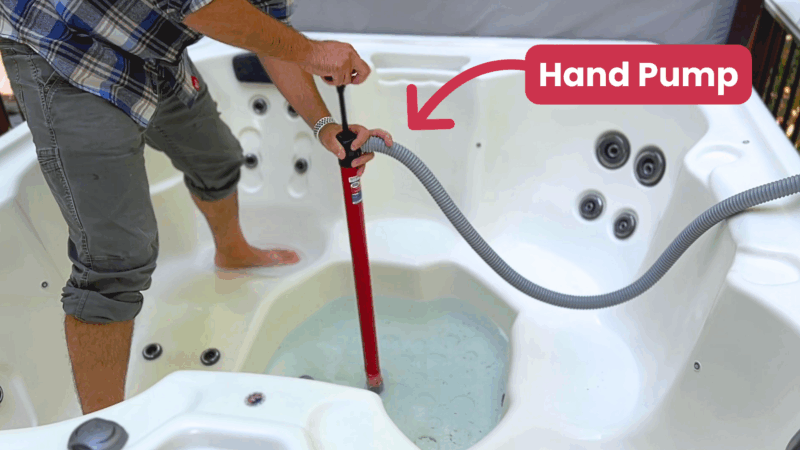
If there’s any remaining water in the foot well or on the seats, use your wet-dry vacuum, a hand pump, or an absorbent towel to remove it. There should be no more visible water anywhere.
Step 10. Replace Plugs and Retighten Unions
Now that all the water has been drained from your hot tub lines, replace the drain plug on the pump, tighten all the unions, and open all the gate valves leading to and from the pump and the spa pack.
Step 11. Add Antifreeze (Optional)
As an additional step to protect against potential freeze damage, add pool-grade or marine-grade antifreeze to your hot tub’s plumbing system. Antifreeze prevents any remaining water left in the lines from freezing.
Pour one gallon (three to four liters) of antifreeze into the filter well. You may need up to two gallons (seven to eight liters) for larger hot tubs.
How much antifreeze to use:
- Small spa (300-400 gallons): 1 gallon (3-4 liters)
- Medium spa (400-500 gallons): 1.5 gallons (5-6 liters)
- Large spa (500+ gallons): 2 gallons (7-8 liters)
I recommend buying two gallons regardless of your spa size. It’s better to have extra than to run short halfway through the process.

It is safe for use in all potable and seasonal water lines. It protects systems down to -100° F, extreme cold weather, with a No Burst Guarantee.
Apply a small amount of antifreeze directly to your jet fittings. You can gently squeeze the jug next to each jet fitting or add antifreeze to a spray bottle and spray it into each jet opening. Pool-grade or marine-grade antifreeze is safe to use in hot tubs. However, you must remove it from the plumbing before you use your hot tub again.
Replace the drain plug on the pump. Retighten all unions by hand (plus about 1/4 turn with pliers is sufficient). Open all gate valves to their normal operating positions.
SAFETY WARNING: Only use pool-grade or RV/marine-grade antifreeze (propylene glycol). NEVER use automotive antifreeze (ethylene glycol)—it’s highly toxic and dangerous.
Step 12. Secure the Panel and Cover
Close and secure the equipment panel door. Then, use straps or locks to secure your hot tub cover. This helps prevent the cover from blowing off during the winter.
Step 13. Add a Cover Guard or Tarp
Use a cover guard or tarp over your hot tub to help prevent water from seeping into the spa. This also makes removing snow or ice on your cover easier if it accumulates. If you use a tarp, ensure it’s weighted or secured properly so it does not blow away in the wind.
How to Protect Your Hot Tub Cover from Snow and Ice Damage
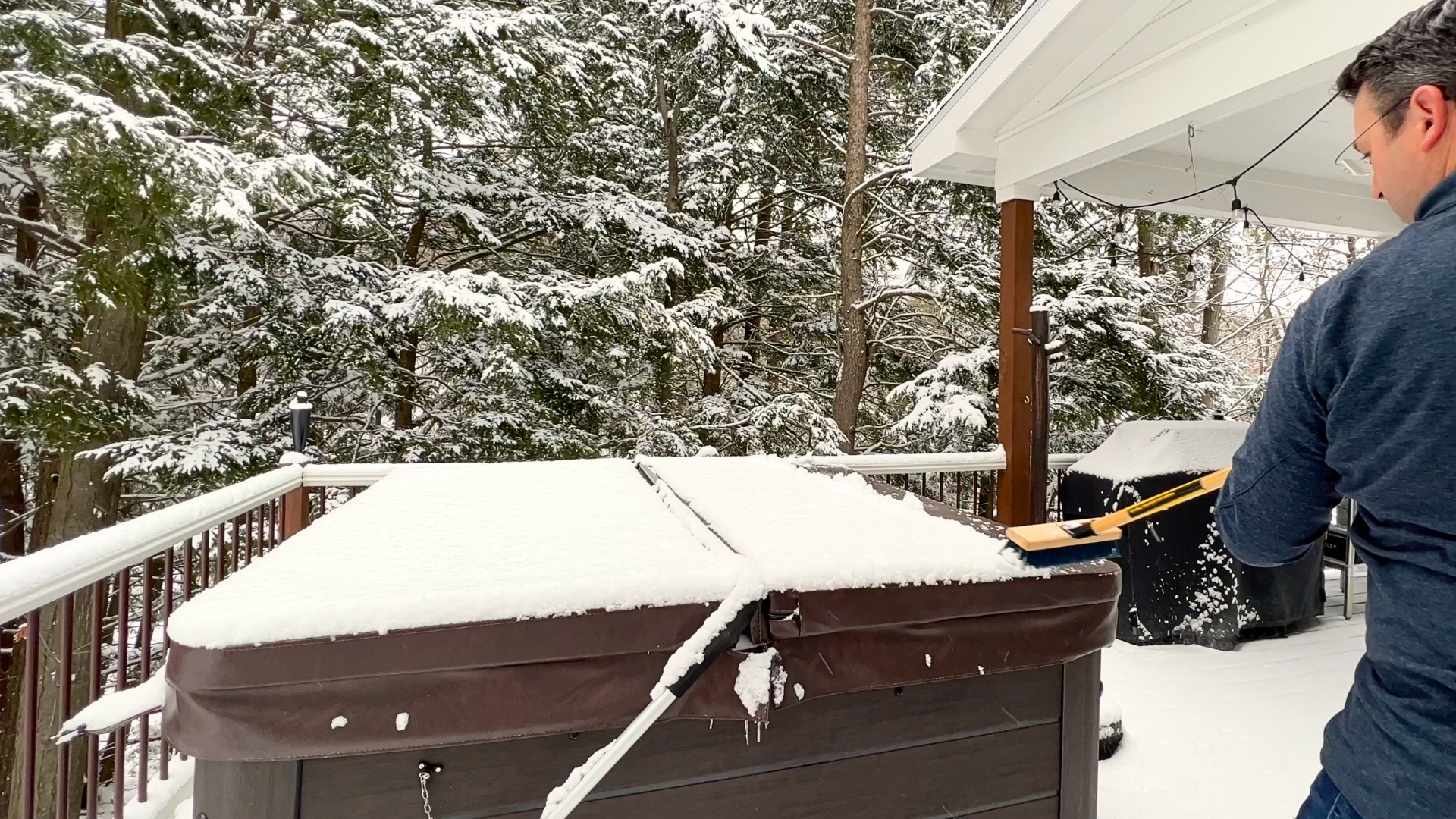
To protect your hot tub cover from snow and ice damage, remove snow regularly with a soft-bristled brush or broom. This prevents excess weight from damaging the cover or causing it to sag. Use a cover guard or tarp over it to prevent melting snow from leaking through the cover into your drained tub, where it could freeze and reach your plumbing. Use caution when removing ice, since this can tear your tarp or cover guard.
Special Winterization Steps for Specific Hot Tubs
If you have a saltwater, inflatable, or outdoor hot tub with a wood cabinet, there are a few extra considerations when winterizing:
Winterizing a Saltwater Hot Tub
Follow the step-by-step winterizing process with one additional step: remove your salt cell. Unplug your salt water generator, take out your salt cell, and store it indoors. If you see white calcium buildup on the metal plates of the cell, clean it by soaking it in a solution of water and
Winterizing an Inflatable Hot Tub
Inflatable spas are actually simpler to winterize. After draining and drying the interior thoroughly, deflate the spa and fold it for indoor storage. Never leave an inflatable spa set up outdoors in freezing weather. The material can become brittle and crack or tear.
Winterizing an Outdoor Hot Tub with a Wood Cabinet
After following the step-by-step winterizing process, apply a wood protectant or sealant to your cabinet as your final step. Waterproof sealant helps prevent cedar and redwood cabinets from cracking during freeze-thaw cycles.
How to Keep Your Hot Tub Running Through Winter
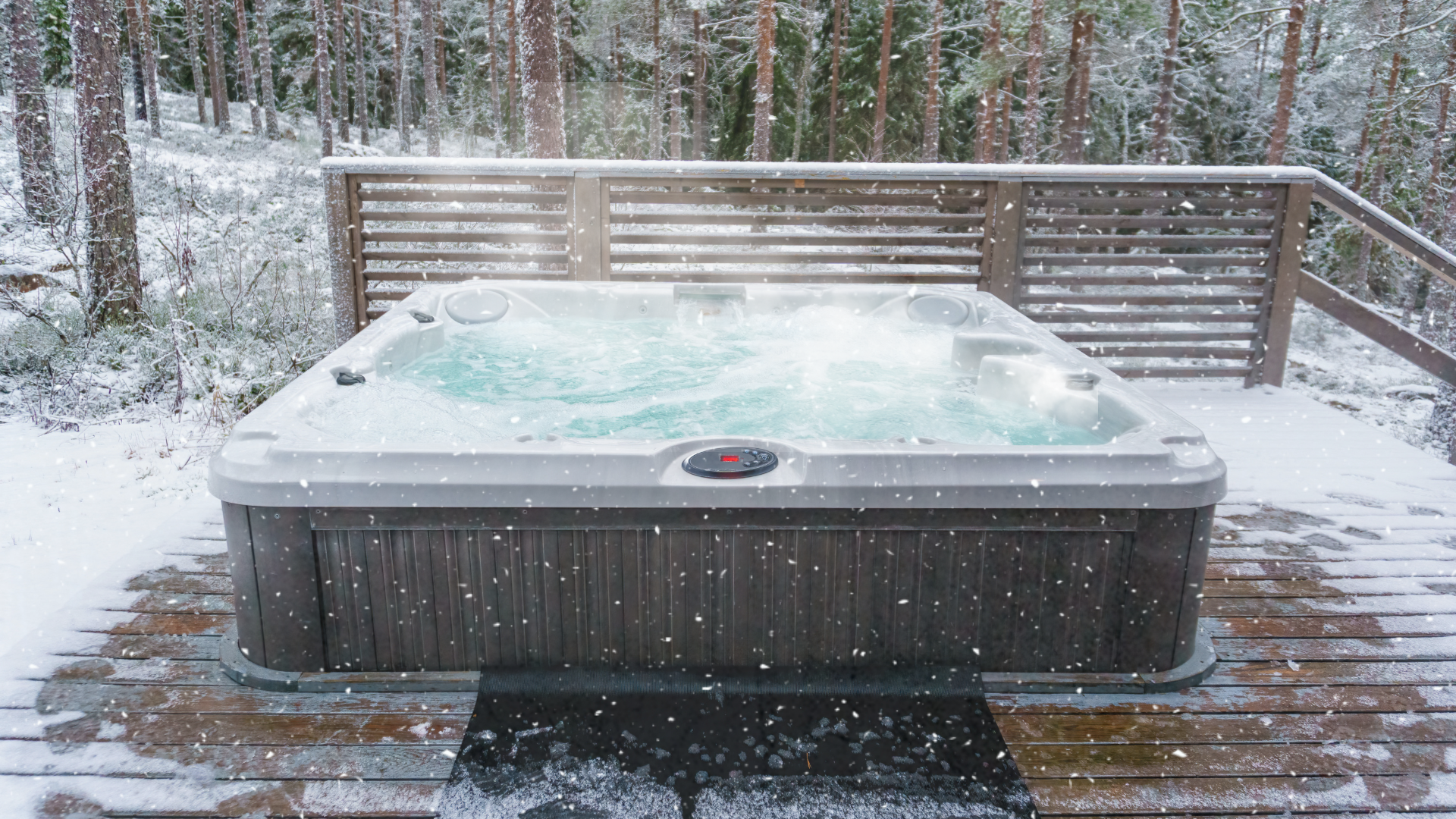
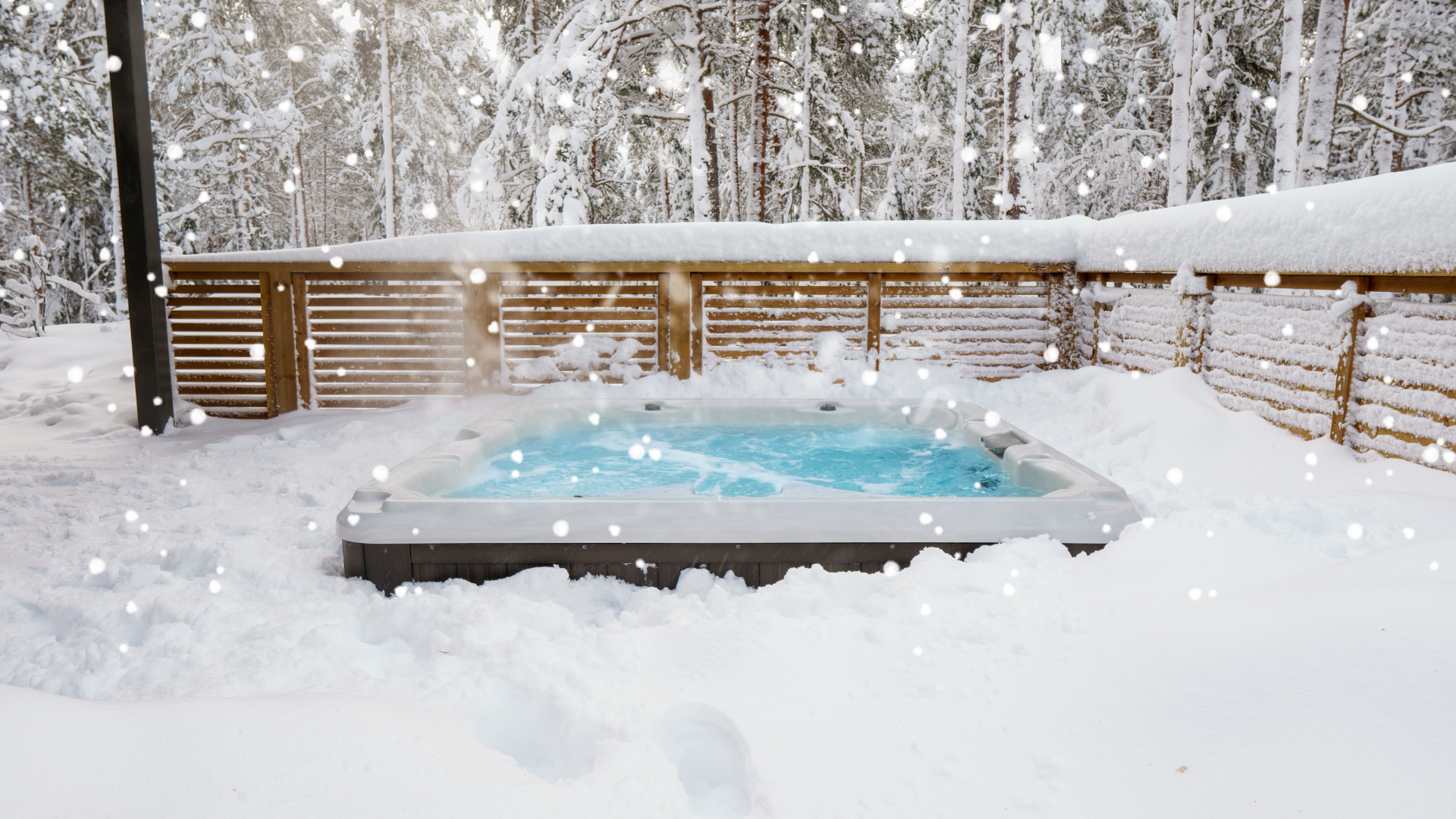
Don’t want to winterize? If you keep your hot tub running in freezing temperatures, you must keep your spa heated, circulating, properly covered, and protected from extreme weather. Here are a few precautions to take in extremely cold weather:
- Deep Clean Before Temperatures Drop: Plan to purge your plumbing, drain, clean, and refill your hot tub before it’s freezing outside. Otherwise, you risk the water freezing before you have time to refill and reheat your spa. If it’s already freezing outside and you need to deep clean your hot tub, only partially drain the water and skip the plumbing purge.
- Use the Freeze Protection Setting: This setting uses a built-in sensor that reads the outside air temperature and communicates with the pump. When temperatures approach freezing, the pump automatically turns on to circulate the water and keep it from freezing.. If your spa does not have a freeze protection setting, run the pump on low speed 24 hours a day with heated water. Or, set it to cycle on for 15 to 20 minutes every hour, keeping warm water constantly running through the pipes.
- Set the Temperature: Set your water temperature to at least 80°F (27°C) in the winter. Keeping the temperature steady will help reduce the energy needed to reheat in colder weather and prevent freeze damage.
- Cover Your Tub Securely: A well-fitting, secured spa cover helps prevent heat loss. Ensure your cover fits snugly and is securely in place.
- Protect Your Cover from Ice and Snow: Always remove any snow or ice accumulation from your hot tub cover with a soft-bristled brush or broom. Any additional weight can damage the cover and cause it to sag. Place a tarp over your cover to help remove any accumulation.
- Use a Thermal Spa Blanket: A floating thermal spa blanket helps retain heat by sitting on top of the water and under the hot tub cover. It also decreases condensation buildup, preventing mildew and your cover from becoming waterlogged.
- Check Your Water Level: If your water level drops below the skimmer intake, it may cause the pump and heater to turn off, which can result in frozen pipes. Check and replenish your spa’s water level, especially if you use it sporadically.
Key Takeaways
- When to winterize: If you’re away for more than 30 days, you won’t use it in freezing weather, or you experience lengthy power outages lasting more than 24 hours, drain your spa and winterize it.
- Essential equipment for winterizing: Use a wet/dry vacuum with a blower (5 HP or higher), a submersible sump pump, and pool-grade antifreeze (2 gallons).
- Critical steps: Blow out water from the plumbing through the filter well. Then, suck out the water from ALL of the jets for 15-30 seconds each with the wet/dry vacuum. Missing even one can cause freeze damage.
- Antifreeze safety: Only use pool-grade or RV/marine-grade antifreeze. NEVER use automotive antifreeze (highly toxic).
- Cover protection: Secure with wind straps and add a heavy-duty tarp to protect your cover from rain and snow.
- How to keep your spa running in winter: Use freeze protection, cover it securely, and keep the water at 80°F (27°C) minimum if you use it each week.