Every pool is different. Get a free step-by-step plan for yours.
Get My Free PlanIf your pool’s pH is low and your total alkalinity (TA) is in range, use Borax (sodium tetraborate). However, if your pH and TA are low, use soda ash (sodium carbonate).
These are slightly cheaper alternatives to pool pH Increaser or pH Up. And they can usually be found in the laundry aisle of your local grocery store. Soda ash is often sold under the name Washing Soda.

Add this natural powder to your pool or hot tub to gently raise low pH without pushing up alkalinity, so your water stays balanced, clear, and easy on your skin and eyes.
Using borax adds a small amount of borates to your water. However, a normal dose to increase the pH doesn’t add enough to make a real difference.
Use plain borax with no added fragrance or detergent.
Borax is sodium tetraborate. It’s a natural mineral first mined in Death Valley back in the 1800s. Borax has a pH of about 9.2 to 9.5. So when you add it to your pool, it has a gentler effect on raising pH compared to using soda ash or pH Increaser, which is sodium carbonate (pH of about 11.4).
Borax is mainly used as a laundry booster. You add it with detergent to help remove stains, soften the water, and make your whites brighter. Personally, I’ve never used it in the washing machine, so I don’t really know.
It’s also used as a cleaner, similar to baking soda.
A baking soda (sodium bicarbonate) solution has a pH of about 8.3. Since 8.3 is only a little above normal pool pH (7.4 to 7.6), it raises total alkalinity a lot while barely moving pH. And it can never push pool water much above about 8.3 on its own.
I keep seeing all types of comments saying that Borax and baking soda are all that is necessary to maintain crystal-clear water, with no algae for the entire pool season. Kind of difficult to believe, but so many people swear by it.
Staying on top of algae growth is a chore, especially if you live in a hot climate. Even employees at the pool store will say, “You’re gonna have algae no matter what you do”.
“You’re gonna have algae no matter what you do” is BS! It absolutely matters WHAT YOU DO!
Adding Borax to your pool raises pH. That’s it.
Yes, getting your pH in range (7.4 to 7.6) does help your chlorine to work better, which will prevent algae. But borax alone does not keep algae away.
The best defense against pool algae is chlorine. Period. Keep your pH/alkalinity balanced and your chlorine in range, and you’d be just fine.
Borax raises your pH, and it adds a small amount of borates. But not enough to add a significant amount of borates if you’re just using it to keep your pH in check.
Adding a significant amount of borates (30 to 50 ppm) helps to buffer pH, which is another way of saying it helps keep your pH in range. This is great if you have a saltwater pool. Saltwater generators (SWG) are prone to scaling due to high pH spikes happening inside the salt cell.
And some people say it makes the water feel good on your skin. I personally didn’t notice a difference, but you can be the judge if you want to try it.
However, adding borates is optional. And I don’t recommend it. This is just an added chemical expense for very little payoff.
Most pool store pH Increaser is soda ash, not borax. Check the label. Some brands sell borax-based pH products, usually labeled as sodium tetraborate.
Yes, as long as it’s plain borax with nothing added.
Not really. A pH dose adds some borates, but far less than the 30 to 50 ppm needed to make a noticeable difference.
No. They’re a nice extra, not a requirement. Keeping total alkalinity in range does most of the work of steadying pH.
Answer a few questions and we'll tell you what to test, what to add, and when.
Get My Free Plan
Matt is the founder of Swim University. He's been in the pool and spa industry since 1996. His mission is to make pool and hot tub care easy. Each year, he continues to help people with water chemistry, cleaning, troubleshooting, and more.
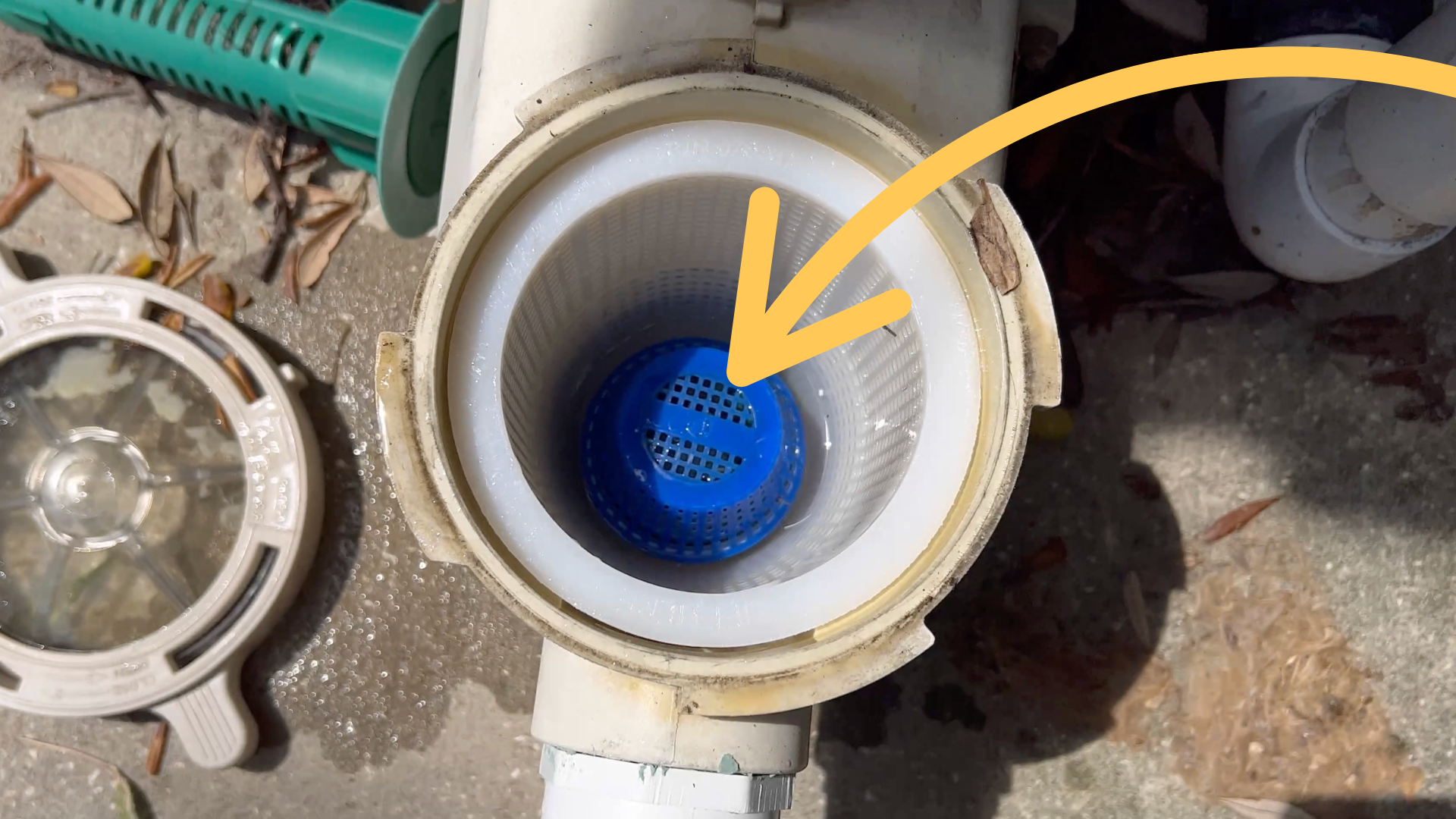
Pool RX promises clearer water and less chlorine for up to 6 months. See how it works, what it costs, and if it's worth it. Get the full review.
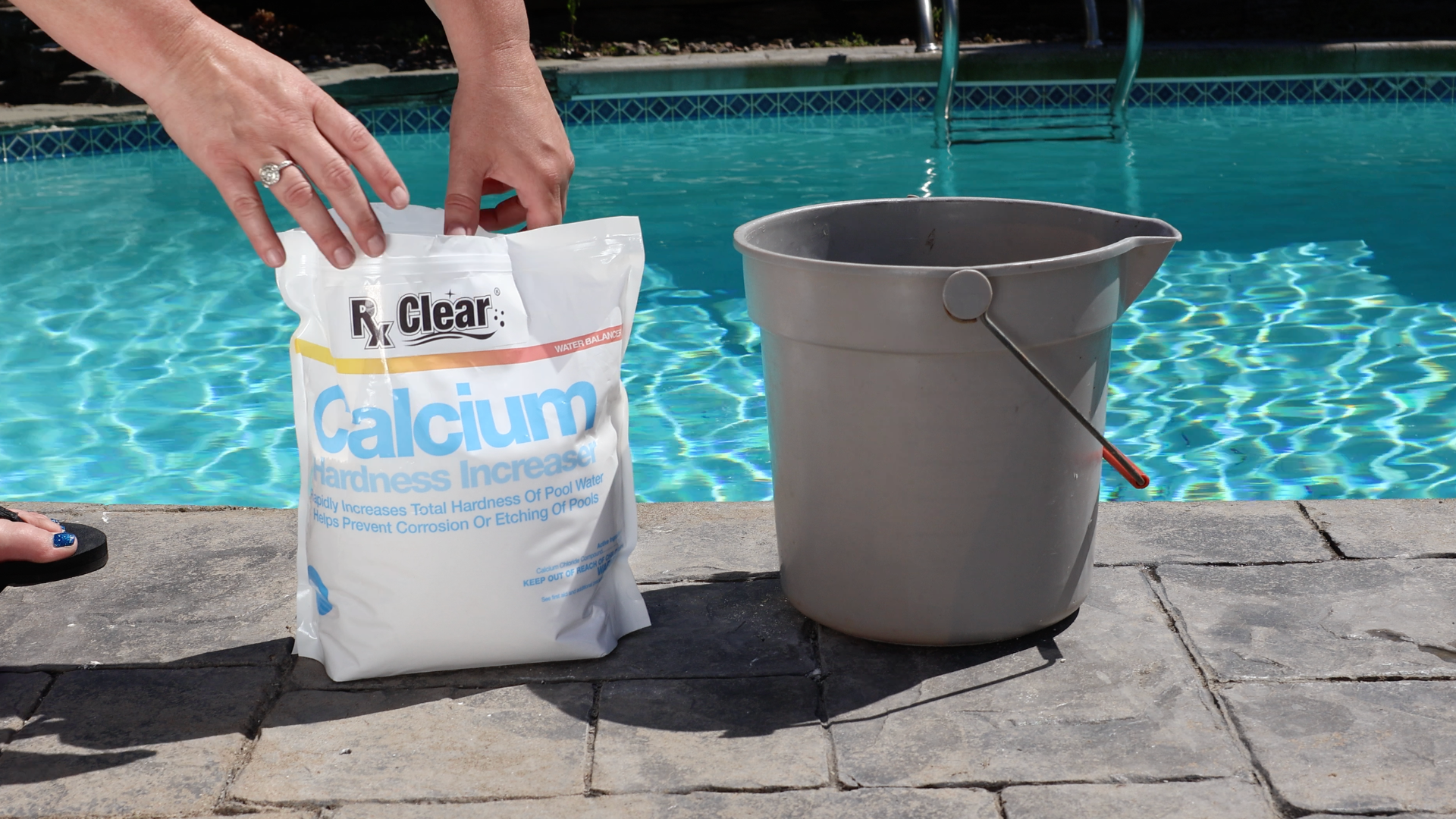
Low calcium hardness causes corrosion and pool equipment damage. Learn how to raise calcium hardness in your swimming pool.
Does the type of pool shock you use make a difference? If you're not using calcium hypochlorite to shock your pool, you may want to reconsider your choice.
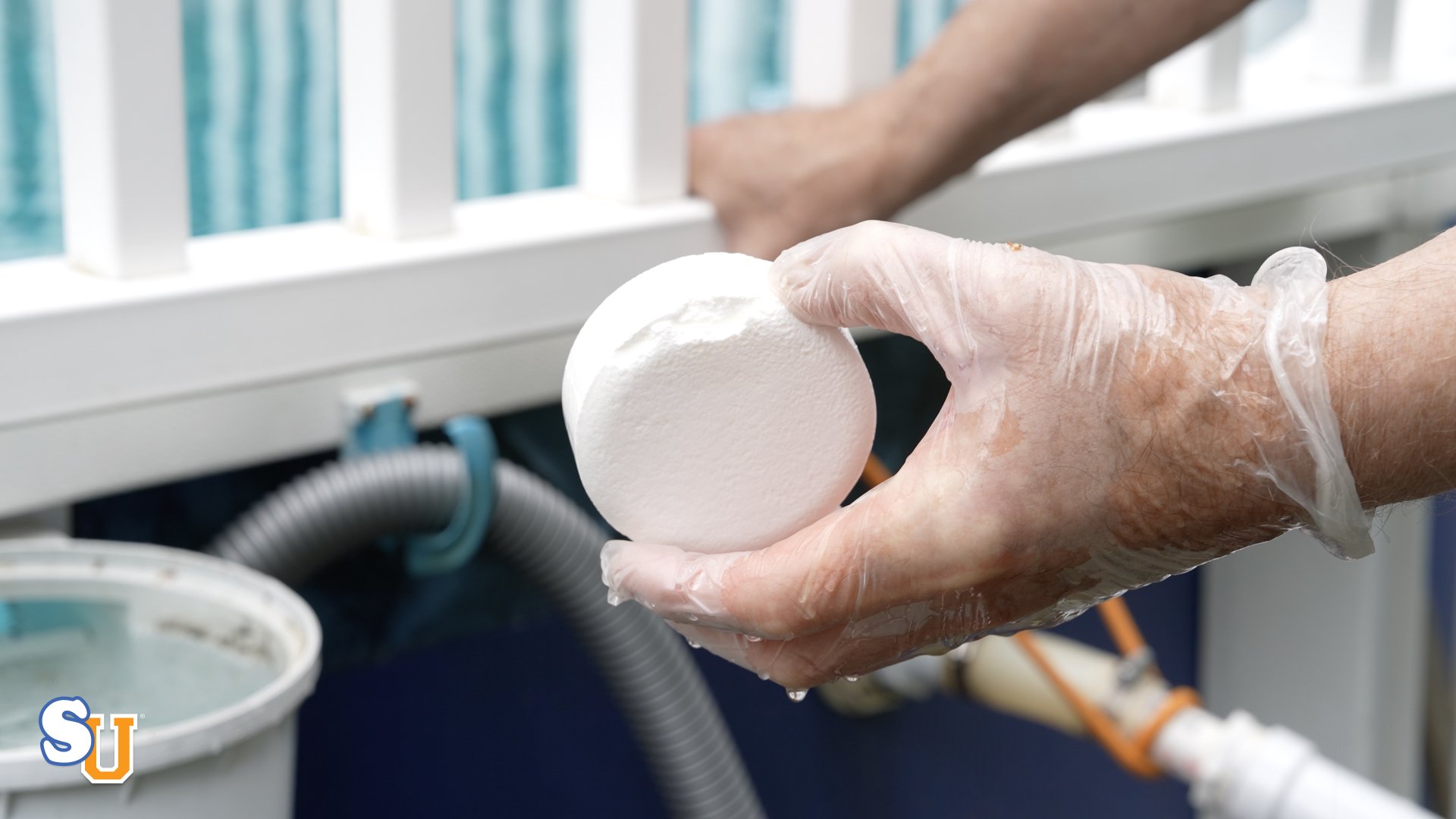
Did you know you should be adjusting your above ground pool chemicals once a week? Here’s a quick guide on how to test and balance your pool.
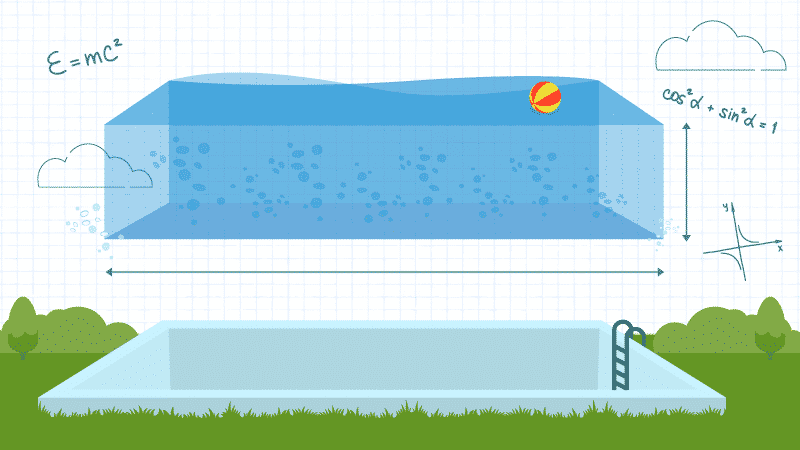
Use our free pool volume calculator to find out exactly how many gallons of water your pool holds. Works for all pool shapes and sizes. Try it now!
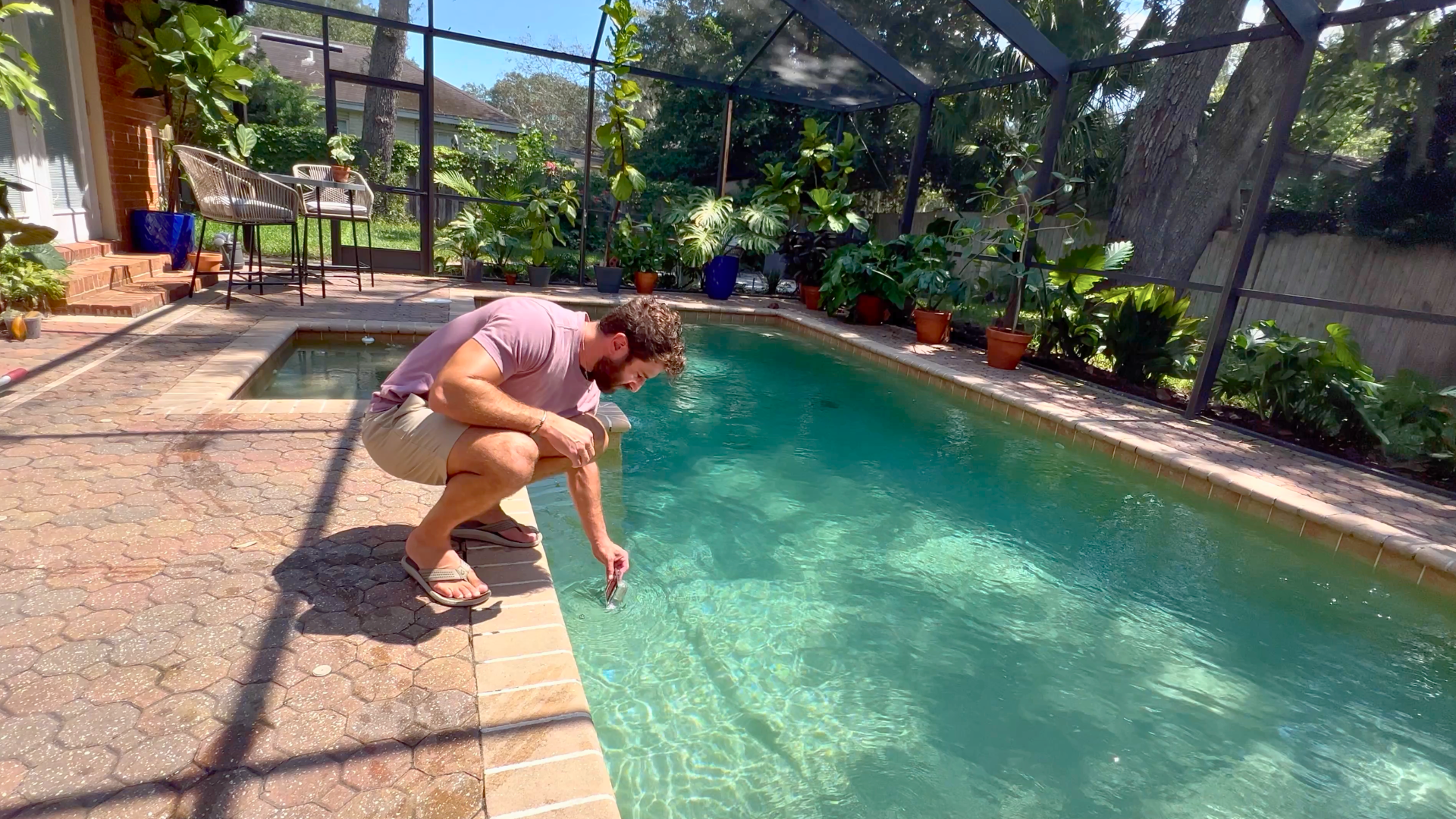
Learn pool water testing the right way with the best test kits, proper sampling steps, and a simple weekly schedule.


