


PoolRx Review for Eliminating Algae

PoolRx promises cleaner pool water, fewer chemicals, and less algae. But before you spend money on an algae-killing cylinder that lives in your skimmer or pump basket, you probably want to know if it actually delivers.
We dug into how PoolRx works, how fast it works, and what it costs so you can decide for yourself.

A simple device you add to your pump basket that supplies sanitizing minerals to your pool water so you can reduce your chlorine usage. Allowing you to only use 1ppm of chlorine.
What Does PoolRx Do to Your Pool?
PoolRx is a mineral-based, EPA-registered algaecide system. You drop the cylinder into your skimmer basket or pump basket (preferred), and it releases a blend of chelated copper, silver, and zinc into the water. Those minerals spread throughout the entire pool and get to work killing and preventing algae growth.
The keyword here is “chelated copper.” Chelation is a chemical process that keeps minerals in solution so they don’t stain your pool surfaces. This is what separates PoolRx from just throwing a copper pipe in your skimmer (more on that later). It also means the minerals recharge every time the water passes back through the cylinder.
Beyond stopping algae, PoolRx also makes your chlorine work better. Because the minerals handle much of the algae prevention work, your chlorine is freed up to target bacteria and other contaminants. You need only 0.5 to 1.0 PPM of chlorine in the water (compared to the recommended 3.0 PPM). That means you need fewer chlorine tablets, or you can turn your chlorine generator down by up to 50%.
How Quickly Does PoolRx Work?
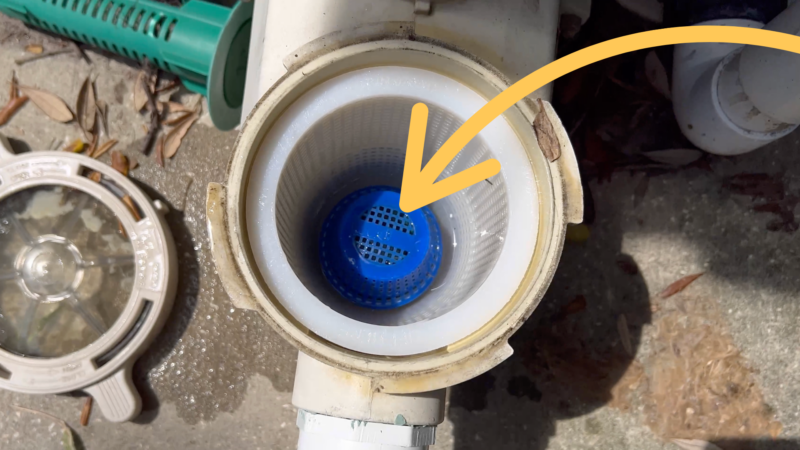
PoolRx is designed to turn green pools clear within 24 to 72 hours. Once you place the PoolRx unit in your skimmer or pump basket, the blue minerals start dissolving immediately. Within 4 to 6 hours, all the minerals have been released from the cylinder and circulated throughout the entire body of water.
That said, PoolRx works best as a prevention tool. If you’re dealing with a serious algae bloom, treat the algae first using this guide before adding PoolRx.
One important note: start with a clean filter. If your filter is dirty, the granular minerals can get trapped in it before they dissolve into the water. That means less mineral in solution and weaker results. After installation, run your pump for at least 3 to 4 hours straight. And do not backwash your filter for at least two weeks after adding PoolRx.
An illustrated, step-by-step guide to taking care of your pool yourself. Works for chlorine and saltwater pools.
Is PoolRx Just Copper?
No, not exactly. Both PoolRx and PoolRx+ are EPA-registered algaecides, which means the formulas and their safety claims have gone through federal review. Copper sulfate pentahydrate is the primary active ingredient, making up approximately 86% of the formula.
But PoolRx also contains zinc sulfate, and the PoolRx+ version adds silver nitrate for extra protection against bacteria and algae. The zinc helps prevent scale buildup on salt cells, which is a nice bonus for salt water pool owners.
More importantly, it’s not just what’s in the cylinder but how it’s formulated. The chelation process is what makes PoolRx different from standard copper-based algaecides. Standard copper can oxidize at uncontrolled rates, stain pool surfaces, and even turn swimmers’ hair green.
With PoolRx, the minerals stay chelated, meaning they stay in solution and stay stable, even in the higher pH environment of a salt water pool.
PoolRx vs. the Copper Pipe Hack
You may have seen the trick where someone cuts a copper pipe and tosses it in the skimmer basket. Technically, copper does kill algae. But raw copper corrodes fast and releases way too much copper into the water at an uncontrolled rate. That leads to serious green staining on pool surfaces and potentially green hair and nails for swimmers. PoolRx uses the same basic principle but in a controlled, chelated form that’s actually safe for your pool. Skip the pipe trick.
How Often Should You Replace PoolRx?
Each PoolRx unit is designed to last 4 to 6 months, depending on a few factors: how much algae it’s been killing, how often you backwash, and how much water splashes out of the pool over time. For most pool owners, that lines up almost perfectly with a single swim season.
For ongoing maintenance, you need balanced water chemistry, a constant free chlorine residual of at least 0.5 to 1.0 parts per million (ppm), and enough pump run time to circulate the water at least 1.5 times per day.
Does PoolRx Work With Salt Water Pools and UV Systems?
PoolRx is compatible with saltwater pools, chlorine pools, and UV or ozone systems.
UV and ozone systems only treat water for a few seconds as it passes through the equipment. PoolRx minerals stay active throughout the entire body of water, around the clock. That makes the combination especially effective.
In salt water pools, PoolRx minerals free up chlorine to work more efficiently, so you can turn down your salt chlorine generator by up to 50%. That means fewer chemicals are needed to balance the higher pH it naturally produces. The zinc in the formula also helps prevent scale buildup on your salt cell, so you won’t need to clean it as often. All of that together adds up to less wear on your equipment and a longer lifespan for your salt cell.
PoolRx is not compatible with bromine, sodium bromide, or biguanide-based sanitizers. It also does not work alongside other copper-based algaecides. If you’re using calcium hypochlorite (cal-hypo) shock, you must dissolve it in a large bucket of water before adding it to the pool. Sprinkling dry cal-hypo directly into the water with PoolRx present can cause an instant black oxidation reaction on your pool floor.
Enter your water test results. Get a custom treatment plan. Know exactly what chemicals to add to keep your pool clear. Saltwater and hot tub compatible.
What Are the Risks of Using PoolRx?
PoolRx is generally safe when used as directed, but there are a few things to watch for.
First, test your pool water for existing metals before you install the unit. If your copper level is already above 0.2 ppm, address that first with a metal remover. Using PoolRx on top of existing high copper levels can lead to staining. Once PoolRx is in the water, your standard copper test will not give accurate readings because the minerals in PoolRx are chelated.
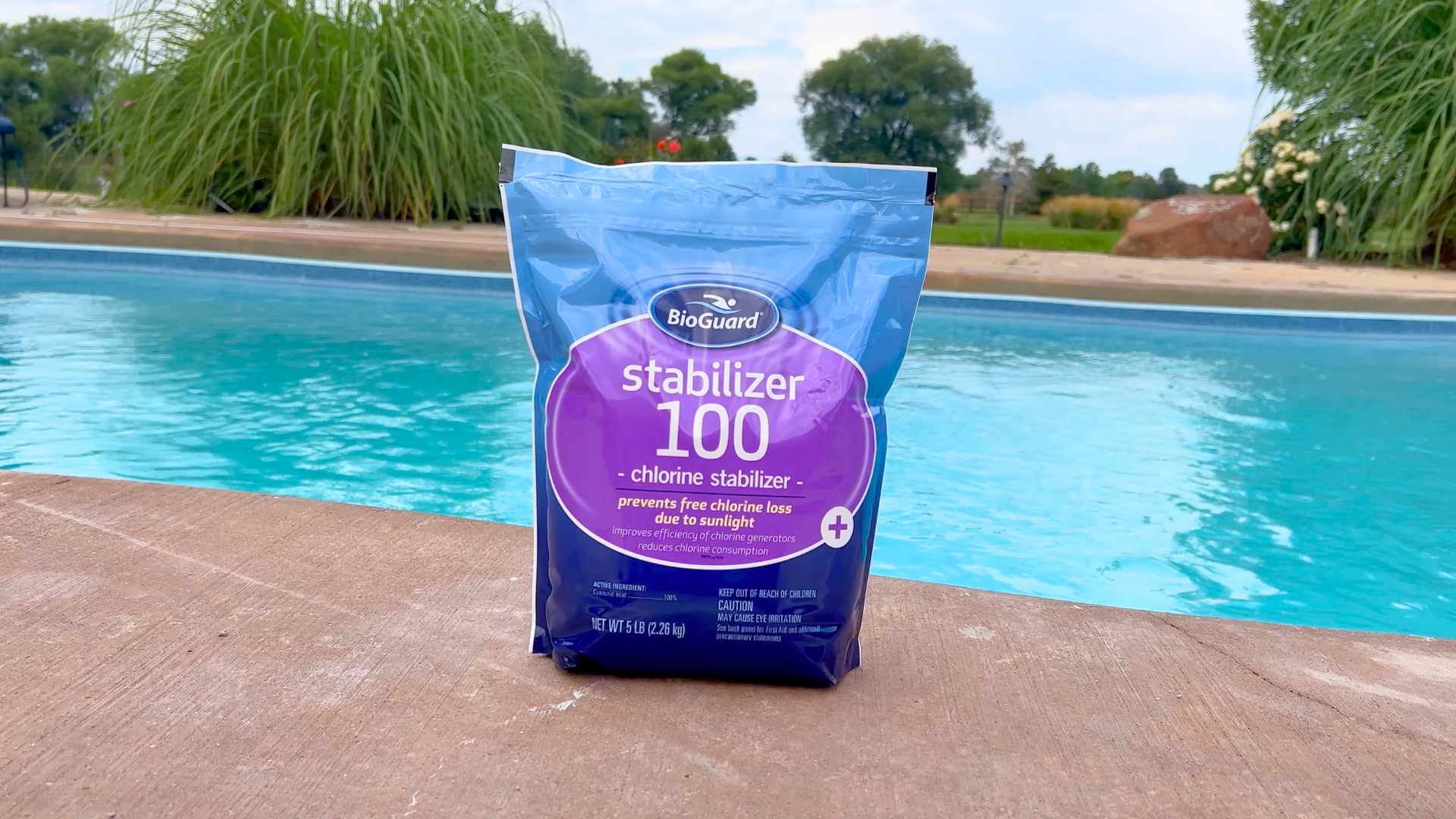
Second, keep your chemistry balanced. High pH above 8.0 can cause copper to drop out of solution and stain the pool. Also, keep cyanuric acid (CYA) below 100 ppm. High CYA can combine with copper to form copper cyanurate, which shows up as a purple dust or stain on your pool surfaces.
Third, don’t use a PoolRx unit sized for a larger pool than you have. This will overdose the water with minerals and likely cause staining.
Finally, avoid over-chlorinating or adding cal-hypo shock directly to the water. High chlorine levels can over-oxidize the PoolRx minerals, turning the water green or cloudy. Always pre-dissolve your cal-hypo shock in a bucket before using it with PoolRx.
Is PoolRx Worth It?
When you factor in the reduced need for algaecide, clarifiers, phosphate removers, and chlorine, many users say PoolRx pays for itself over the course of a season.
The upfront cost depends on the size of your pool. Small pool units start around $30, while large-pool units (up to 30,000 gallons or 113,562 liters) can run $90 or more. Refill boosters cost less than the original unit.
Here’s a quick breakdown of the pros and cons:
Pros
- Highly effective against all types of algae, including mustard algae
- Reduces chlorine demand, so you’re buying and adding less sanitizer
- One unit covers an entire swim season (4 to 6 months)
- Compatible with chlorine, salt water, UV, and ozone systems
- Extends salt cell lifespan by allowing lower generator output
- Easy to use: just drop it in the skimmer or pump basket (preferred)
Cons
- Higher upfront cost compared to a standard bottle of algaecide
- Risk of staining if there are existing metals in the water, if water chemistry is not kept in range or if the wrong unit size is used
- Takes up space in the skimmer basket, which can mean more frequent debris cleaning
- Not compatible with bromine, biguanides, or other copper-based products
For most pool owners, PoolRx is absolutely worth it. The reduction in chemical purchases alone often offsets the price, and the peace of mind that comes with consistently clear, algae-free water is hard to put a number on. Just follow the installation guidelines, keep your water balanced, and this product will quietly do its job all season long.
Key Takeaways
- PoolRx is a mineral algaecide product that kills and prevents algae while reducing chlorine demand for up to 6 months.
- The primary ingredient is copper sulfate pentahydrate (approximately 86%); the PoolRx+ version also contains silver nitrate for added protection.
- The minerals dissolve within 4 to 6 hours of installation, with green pools typically clearing within 24 to 72 hours.
- Unlike raw copper pipe hacks, PoolRx uses a chelated copper formula that stays in solution and will not stain your pool when used correctly.
- Always test for existing metals (keep copper at or below 0.2 ppm) and clean your filter before installation.
- Maintain pH between 7.2 and 7.4, keep CYA below 100 ppm, and dissolve cal-hypo shock in a bucket before adding it to the pool.