


The Best Pool Thermometers in 2026

In the middle of an unbearably hot summer, the idea of diving into a cool, clear pool is more than inviting. But no one wants to jump into too-cold water, either.
A pool thermometer is going to tell you exactly what you’re dealing with, and whether you need to do anything about it.
NOTE: The following pool thermometers are available to buy on Amazon. Check both sites for availability. All the links are affiliate links, which means if you click a link and make a purchase, we earn a commission at no additional cost to you. It helps us keep the lights on 💡
The Best Digital Pool Thermometer
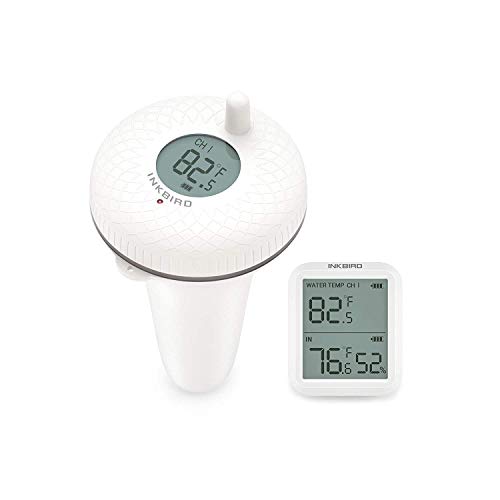
This is hands down the best digital pool thermometer we tested. Easy to set up, quality build, and all packaged in an elegant design.
The Inkbird Wireless Pool Thermometer is perfect for people who want to know their pool temperature at all times without having to walk outside every time they need it. It also works great as a baby bath thermometer or spa thermometer!
It’s a high-quality, waterproof thermometer that can measure a wide range of temperatures. With accurate readings in both Fahrenheit and Celsius measurements, it will be easy for anyone who needs one.
Plus, with its long-range connection up to 300 feet away from the receiver without going outside, you won’t need any other type of thermometer anymore! And if that wasn’t enough already, you’ll also get alerts when something goes wrong with your water level!
The Best Analog Pool Thermometer

This cute animal thermometer floats in water and shows how hot or cold it is. You can tie it down or let it float freely to check water temperature anytime. It works in pools, hot tubs, baths, and ponds with a big, easy-to-read display that lasts for years
This Large Analog Floating Pool Thermometer is perfect for any outdoor or indoor swimming pools and hot tubs. It measures water temperature in both Fahrenheit and Celsius. The large display makes it easy to read from afar.
It’s made with premium quality materials that are durable and shatter-resistant.
Important: Make sure to remove your floating pool thermometer when adding chemicals to the pool. Until they’ve dissipated, some pool chemicals can be harsh on plastic thermometers and may cause some corrosion.
Why You Need a Pool Thermometer
OK, we don’t need to explain what a pool thermometer does. But you might be wondering why it’s necessary. Knowing the exact temperature of your pool offers a couple of benefits other than simply avoiding a cold shock when you jump in.
Pool Heater Troubleshooting
If you’re taking the trouble and spending the money to heat your pool, you want to know that everything is working properly. If your pool heater or solar pool cover isn’t doing its job, you can tell because the pool feels colder than it should be.
But knowing just how far the temperature has fallen can tell you whether the heater just needs to be turned up, or there’s something wrong that requires repairing, or even replacing the heater.
Energy Savings
If you live in a warm climate, a pool heater is great for fall and winter, but may not be as needed in the height of summer. Keeping an eye on your water temperature can allow you to turn the heater down—or possibly even off—to save energy and money, and do something good for the environment.
Health Benefits
Some people who use your pool may have specific temperature needs. For example, heat can make multiple sclerosis symptoms worse.
Keeping pool water at a comfortable temperature can help someone with that condition not only enjoy the pool but also feel some relief from their condition. It can also help them get the exercise they need without overheating their body.
And if you have young children or any elderly pool guests, they’ll be less able to tolerate colder water, so it’s important to keep the temperature at levels that won’t harm them.
A pool thermometer is the only way you’re going to be sure the water is warm or cool enough for those who use your pool.

This is the ultimate guide to keeping your pool sparkling clean throughout the year that contains everything you need to know about taking care of your pool the right way. Including saltwater pools.
Pool Thermometer Types
They’re relatively simple tools, but pool thermometers have more features than you may be aware of. They fall into one or more of four basic categories: mercury, digital, floating, and handheld.
A thermometer can be either digital or mercury, and be of the floating variety, but handheld thermometers will, of course, always be digital.
Mercury-filled floating thermometers can be damaged by severe weather and overzealous swimmers. If they break, you could have a real mess on your hands, including mercury in the water. Not to mention, broken glass could rip your liner, or worse, hurt a swimmer.
For these reasons, we highly recommend using a plastic, digital, or handheld pool thermometer.
Key Takeaways
- A pool thermometer helps you troubleshoot your heater. If your pool feels colder than expected, a thermometer tells you exactly how far the temperature has dropped. That helps you figure out whether your heater just needs adjusting or if something needs to be repaired or replaced.
- Monitoring water temperature can save you money on energy. In warmer months, you may not need your heater running at full power. A reliable thermometer lets you turn the heater down or off when Mother Nature is doing the work for you.
- Pool temperature matters for swimmer health and safety. Young children, elderly guests, and people with conditions like multiple sclerosis may need specific water temperatures to swim comfortably and safely. A thermometer is the only way to know for sure.
- Skip mercury thermometers and go digital or plastic. Mercury-filled floating thermometers can break, leaking mercury into your water and potentially ripping your liner or injuring swimmers. A digital or plastic thermometer is a safer, more reliable choice.
- There are four types of pool thermometers to choose from. Mercury, digital, floating, and handheld are your main options. Digital and wireless models give you the most convenience, with some offering readings from up to 300 feet (91 meters) away without stepping outside.