Every pool is different. Get a free step-by-step plan for yours.
Get My Free PlanIf you’ve ever struggled with pollen, bugs, cottonwood fluff, or pet hair in your pool water, a pool skimmer sock might be your new favorite pool accessory. It’s a simple, cheap mesh liner that stretches over your skimmer basket and traps the fine debris that your plastic skimmer basket can’t catch.
So, are they worth it? Yes, but only if you’re willing to stay on top of them. Use them right, and they can cut your filter cleaning frequency in half. Ignore them, and that little sock can block your pump’s water flow and cause more problems.
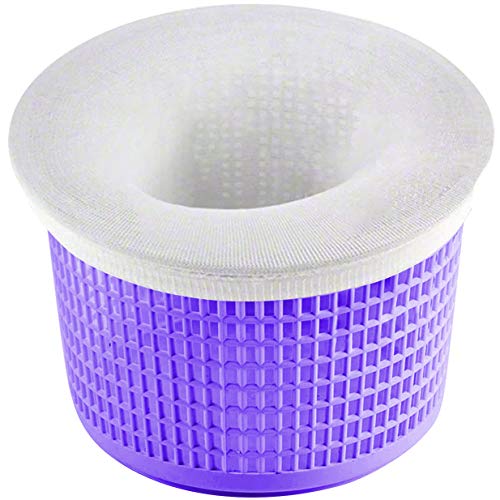
Designed to fit most pool skimmer baskets, it offers a protective layer to prevent pump impeller and shaft seal damage by trapping leaves, grass, hair, and other debris.
The fine-mesh liner stretches over the top of your skimmer basket, acting as a pre-filter before the water reaches your pump and filter. Water still flows through your skimmer as normal, but the skimmer sock catches small particles that would otherwise slip right through your basket’s holes. Things like pollen, pet hair, fine dust, dead algae, and small insects are all picked up by a skimmer sock.
Because it prevents these tiny particles from reaching your filter, a skimmer sock can significantly reduce the number of times you need to clean or backwash your filter.
To use it, simply stretch the sock’s elastic opening over the rim of your skimmer basket and push the basket back into the skimmer housing. It should sit snug without bunching. Then run your pump as normal.
Check the sock every one to two days during times when there’s lots of debris (like pollen season). When it looks loaded with debris, pull it out, rinse it with a garden hose, and put it back. They’re technically disposable, but rinsing lets you reuse them. Replace the sock with a new one once the elastic loses its grip or the mesh develops holes.
Skimmer socks aren’t a year-round, set-it-and-forget-it tool for every pool. They’re great in most pool situations, but they require more work and maintenance.
An illustrated, step-by-step guide to taking care of your pool yourself. Works for chlorine and saltwater pools.
Because they’re so effective at trapping tricky, tiny debris, here’s when I recommend using a skimmer sock:
Spring pollen is brutal on pool filters. Fine particles blow right through a standard skimmer basket and can load up your filter. A skimmer sock captures most of it before it reaches your system. This is the single best use case, and if you have trees near your pool, I’d consider a skimmer sock essential from April through June (or whenever it’s high pollen season for you).
The same recommendation applies if you live near cottonwood trees and get those fluffy white seeds coating your pool surface. A skimmer sock traps the bulk of this debris, making cleanup dramatically easier.
Dog hair is rough on pool equipment. It can wrap around your pump impeller, and clogs filter media faster than almost any other type of outside debris. On days when your dog is in the pool, I recommend adding a sock to the skimmer as a precaution.
After you shock your pool and the algae dies off, the dead algae floats around in the water. A skimmer sock helps catch the dead spores before they reach your filter. Just plan to rinse or replace the sock frequently, since dead algae loads it up fast.
Skimmer socks aren’t just for your skimmer! If you have a pool that needs chlorine stabilizer (a.k.a. cyanuric acid, or CYA), you can use a skimmer sock to help it dissolve. Pour the granular stabilizer directly into the sock, tie it closed, and drop it in the skimmer basket. The sock holds the granules while the pump slowly dissolves them into the water. This protects your pool liner and plumbing from coming into contact with undissolved acid.
Knowing when to skip the sock is just as important. Given the risk of clogging with skimmer socks, here’s when I recommend not using one.
If no one is home to check the sock every day or two, take it out before you leave. A clogged sock left unattended for a week can starve your pump of water and cause real, expensive damage. I’d always pull it out before any time away from home.
If your pump is undersized for your pool, or you’ve noticed weak suction at the skimmer, skip the sock. Even a mostly-empty skimmer sock adds flow restriction, and your system can start pulling air.
Remove the sock before you vacuum. Vacuuming sends a surge of debris through the skimmer all at once, and the sock will clog almost immediately. It can kill your pump’s suction right in the middle of a vacuum session.
A windstorm or heavy leaf drop can overwhelm a skimmer sock in no time. If you can’t check it every few hours during a serious debris event, take it out and let the basket work on its own.
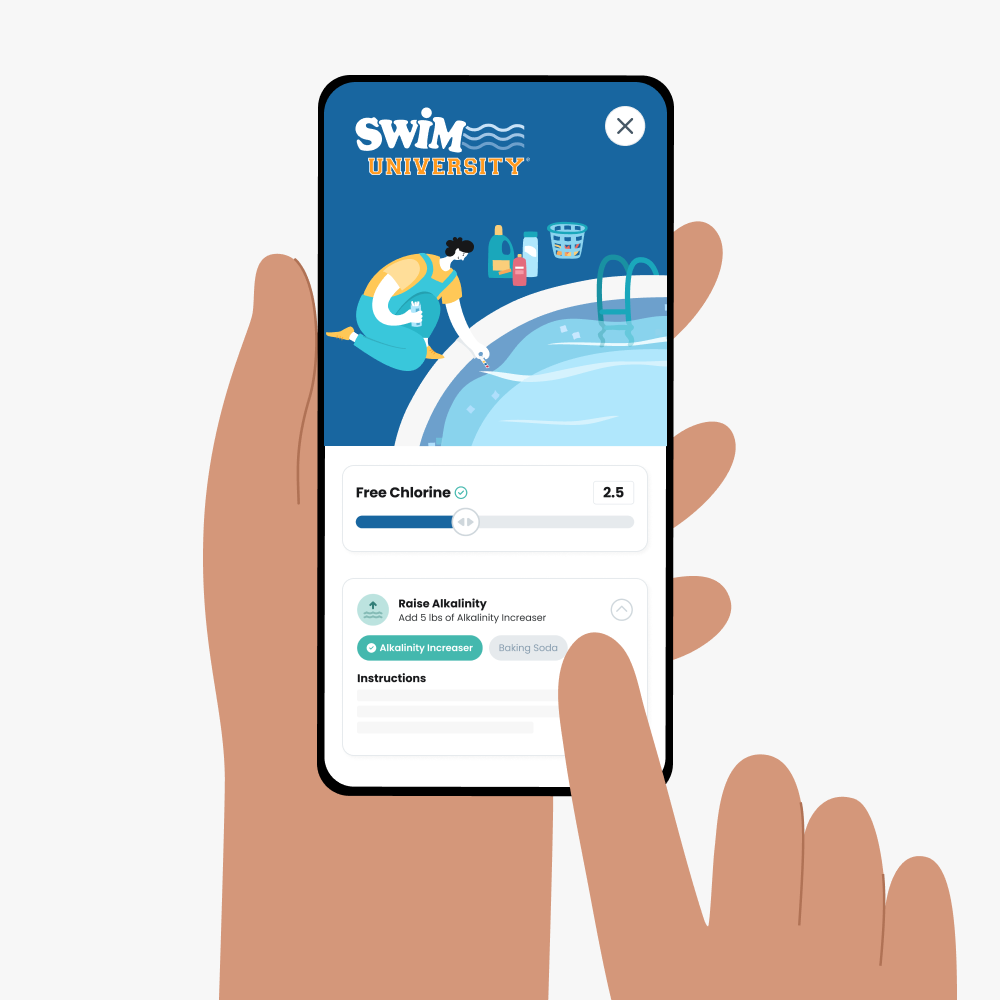
Enter your water test results. Get a custom treatment plan. Know exactly what chemicals to add to keep your pool clear. Saltwater and hot tub compatible.
If you’re out of socks or just want something different, here are some alternatives to a skimmer sock.
Disposable hair nets are one of my favorite DIY substitutes. They stretch over a skimmer basket the same way a sock does, catch fine debris just as well, and cost almost nothing in bulk. They’re slightly less restrictive than a skimmer sock and easy to toss after a single use. If you already have these on hand, they work great.
A knee-high nylon slipped over the skimmer basket works surprisingly well. They’re cheap, stretchy, and easy to find. Just check them as often as you would a regular skimmer sock.
If you have a smaller pool and don’t want the daily maintenance of a skimmer sock, a mounted pool skimmer is worth a look. These connect to your pool’s return line, and the returning water pressure activates small propellers that pull surface debris into a collection basket. They capture pollen, bugs, and light debris while your pump runs. No daily sock rinses or check-ins required.
Solar pool skimmers float independently on your pool’s surface and collect debris without connecting to your pump or plumbing. They can handle larger debris than mounted skimmers and keep working even when your pump is off. They’re more expensive than the other options here and need direct sunlight to stay charged.
But if you want a truly low-maintenance surface cleaning setup, I think they’re worth the investment. Check out my review of my favorite solar-powered skimmers here.
For most pool owners, a skimmer sock is absolutely worth it. It’s a cheap, simple tool that protects your filter, reduces cleaning time, and handles fine debris your skimmer basket just can’t catch on its own. The key is staying on top of it. Check it every day or two during heavy debris seasons, and pull it out before vacuuming or leaving for vacation. Do that, and a skimmer sock can save you a lot of headaches and filter cleaning.
Answer a few questions and we'll tell you what to test, what to add, and when.
Get My Free Plan
Matt is the founder of Swim University. He's been in the pool and spa industry since 1996. His mission is to make pool and hot tub care easy. Each year, he continues to help people with water chemistry, cleaning, troubleshooting, and more.

Leave a crack in your concrete pool for too long, and you could have a leak on your hands. Learn how to perform pool plaster repair before that happens.
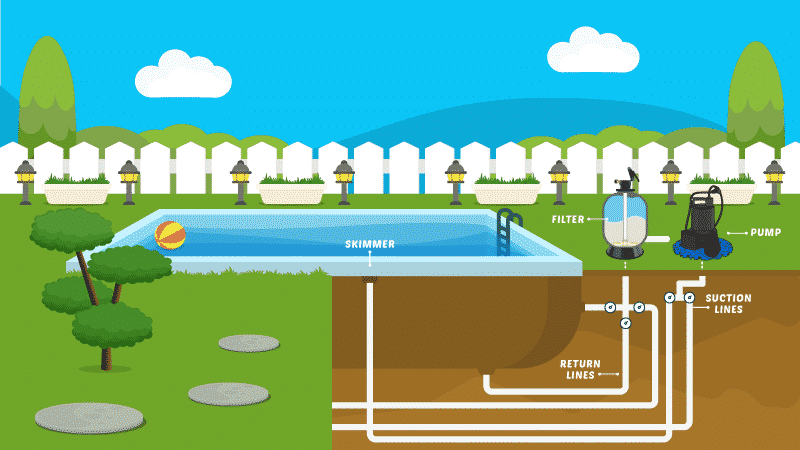
One of the best things you can do is learn about all the essential parts of a pool. Otherwise, how are you going to know you're caring for it properly?
Save money, clarify pool water, and keep your family safe from dangerous water-borne illnesses by changing pool filter sand yourself, quickly and easily.
Has your pool plaster pooped out? Have the white walls turned gray? Sounds like it's time to acid wash your pool. Get all the how-to info right here.
Do you have everything you need to take care of your pool? If you don't have these few essentials, your pool maintenance is a lot harder than it has to be.

Not ready to dig up the back yard for an inground pool? Snap together an Intex pool, stock up on a few supplies, and be swimming before you know it!


