Every pool is different. Get a free step-by-step plan for yours.
Get My Free PlanIf you’re going out of town, there are eight things you must do to protect your pool from turning green and cloudy while you’re away. Otherwise, you could come back home to an algae infestation or even a burned-out pool pump. So here’s a step-by-step guide on how to prep your pool before you go on vacation.
An illustrated, step-by-step guide to taking care of your pool yourself. Works for chlorine and saltwater pools.
Make sure your water level is a little above normal to help offset evaporation when you’re away. Normally, your water level should be halfway up the skimmer opening, but I suggest overfilling a bit before you leave.
If the water dips below the skimmer while the pump is running, the system could overheat. Worse, if the pump runs dry, it can burn out the motor for good.
Make sure you skim debris out of your water before you leave. Anything left to sink and decompose at the bottom of your pool can contribute to cloudy or green water. Consider running your filter system all day before you leave town to help pick up smaller contaminants.
And if you haven’t backwashed or cleaned your filter in awhile, now would be a good time.
You don’t want anything blocking the flow of water while you’re gone. So remove any debris, skimmer socks or panty hose from the skimmer. And empty your pump baskets, too.
If you’re gone for more than a week, ask a friend or neighbor to empty the skimmer basket periodically.
Make sure your pH, alkalinity and free chlorine are within range. Your pH can be on the lower side, since you’ll be adding chlorine shock in the next step and that can elevate your pH levels.
Depending on how long you’ll be away, add a single or double dose of chlorine shock to your water. This will help prevent algae and contaminants from building up while you’re away. Just be sure to let the filter run for a few hours after you’ve added it.
And if you’ve used an unstabilized shock like cal-hypo, you’ll want to add it at night. If you need more help knowing what shock to add to your water, be sure to check out our other videos.
Add several chlorine pucks to your floating dispenser or a chlorinator to help keep your water continuously sanitized while you’re away.
If you usually add tablets directly to your skimmer, that can be risky if your pump shuts off when you’re out of town. So, consider using a floater or investing in a chlorinator.
If you have a saltwater system, make sure you have enough salt in your pool – around 3,200 PPM.
Ideally, you’ll want to run your filter 24 hours a day to keep everything circulating and sanitized. But you’ll want to run your filter for at least 8 hours daily while you’re gone.
So make sure you’ve set up your automatic timer. And turn off other components like your heater.
Set up your automatic cover or safety cover while you’re away to keep your pool water protected. And be sure to lock and secure any gates or security devices around your pool perimeter. After you get back from vacation, be sure to retest your water and adjust your alkalinity, pH, and chlorine if necessary.
If your water is over-chlorinated, wait to swim until your chlorine levels have returned to normal. If your pool isn’t over-chlorinated, shock your pool to kill any contaminants that might have built up while you’re away. And refill your chlorine supply in your chlorinator or floater.
Finally, if for some reason you do come back to a big algae infestation, be sure to check out our other video on getting rid of green water.
Answer a few questions and we'll tell you what to test, what to add, and when.
Get My Free Plan
Matt is the founder of Swim University. He's been in the pool and spa industry since 1996. His mission is to make pool and hot tub care easy. Each year, he continues to help people with water chemistry, cleaning, troubleshooting, and more.
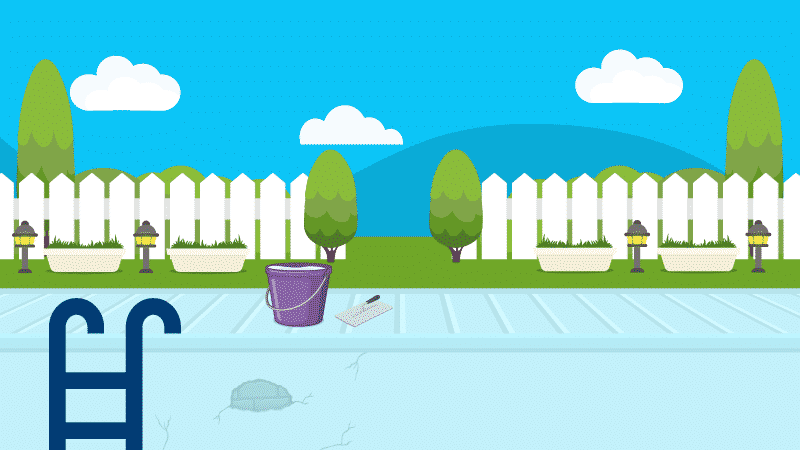
Leave a crack in your concrete pool for too long, and you could have a leak on your hands. Learn how to perform pool plaster repair before that happens.
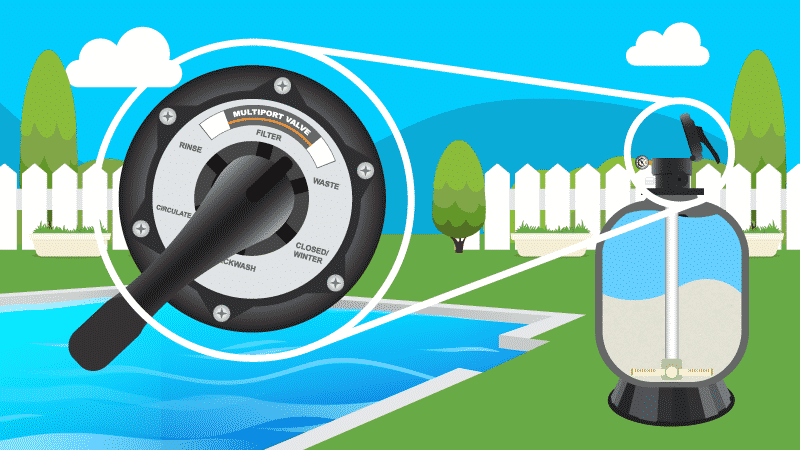
What is this multiport valve thingy? Don't worry, it's not as complex as it looks. Once you learn about all those settings, you'll be in pool care heaven.
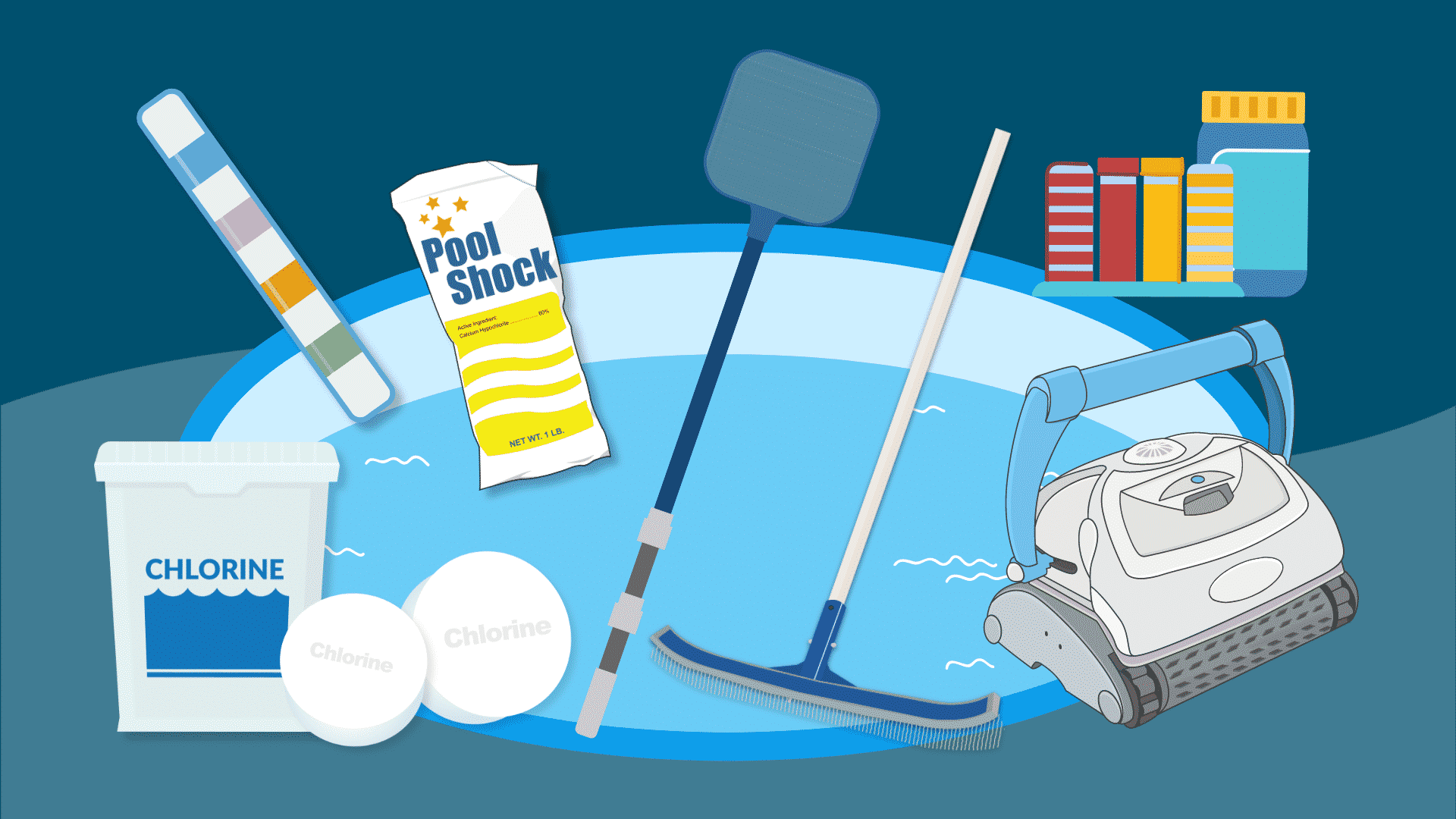
Do you have everything you need to take care of your pool? If you don't have these few essentials, your pool maintenance is a lot harder than it has to be.
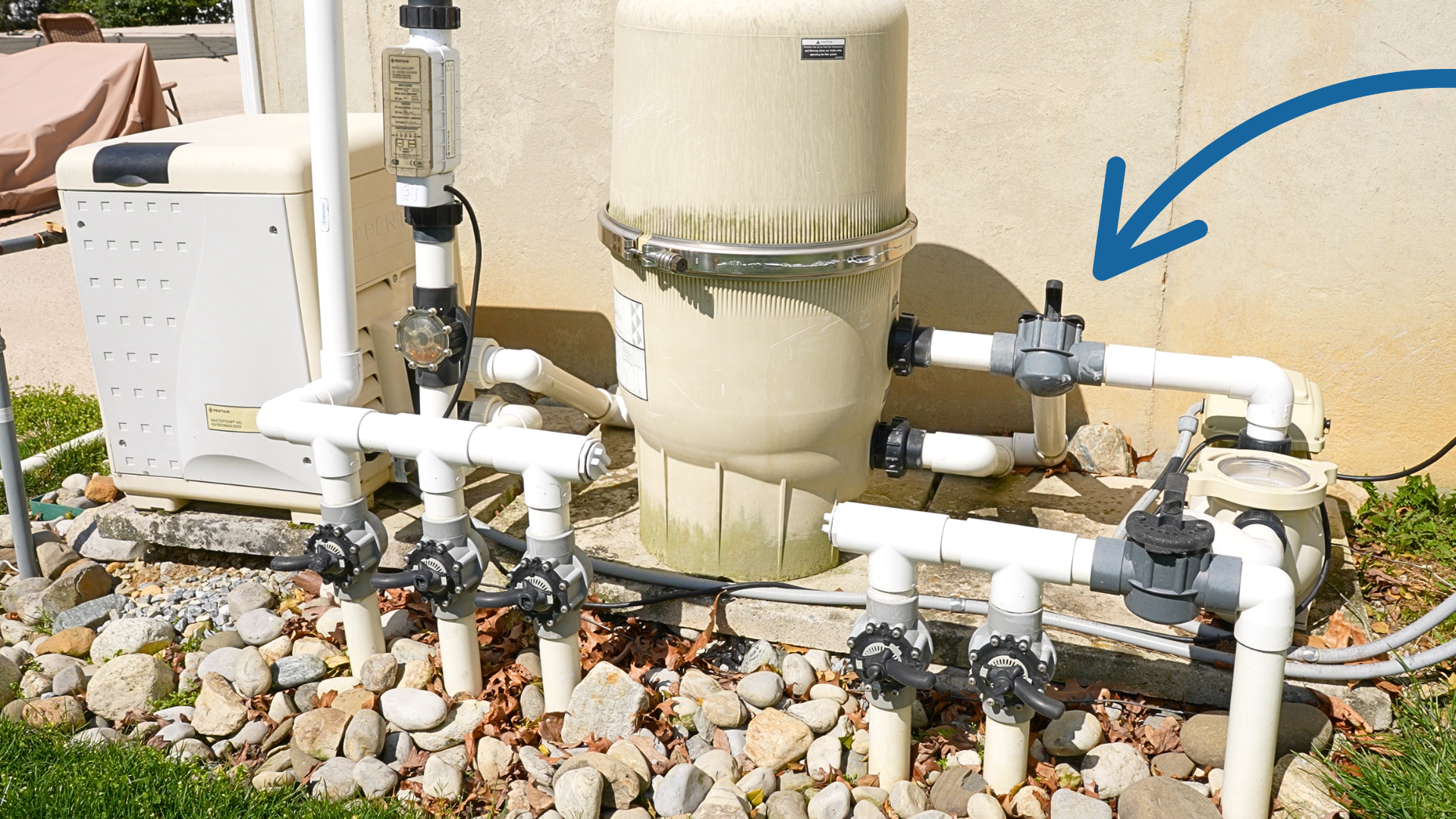
Learn what your pool valves do, how to use them, and how to troubleshoot water flow and pressure issues by using the right valve position.
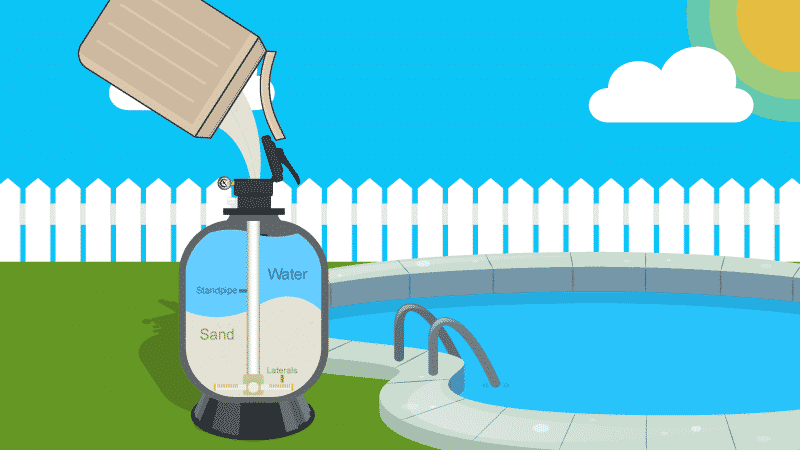
Save money, clarify pool water, and keep your family safe from dangerous water-borne illnesses by changing pool filter sand yourself, quickly and easily.
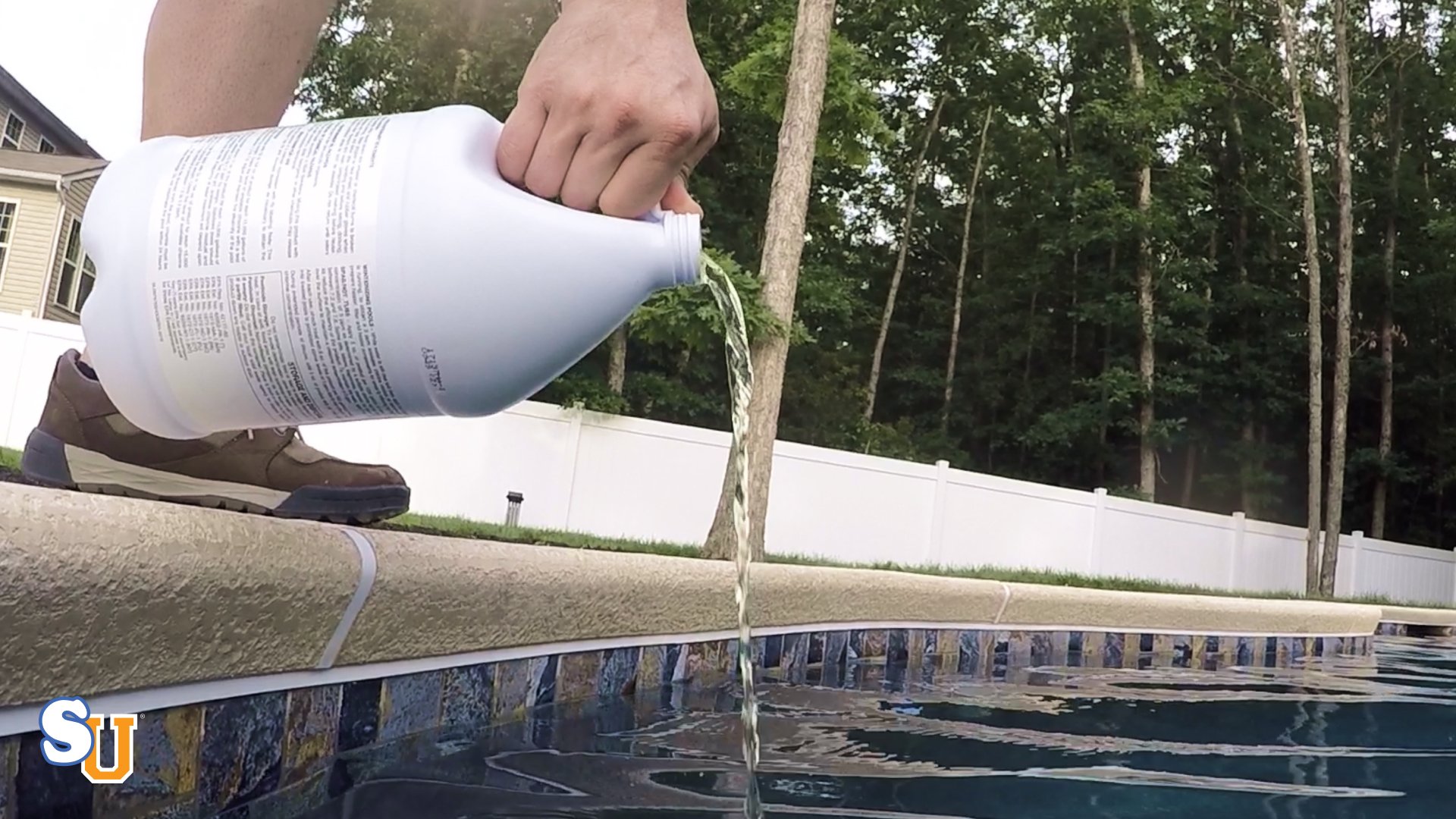
Did you know you can replace most of your expensive pool chemicals with common household products? Here’s what to use...


