Every pool is different. Get a free step-by-step plan for yours.
Get My Free PlanA pool opening kit has the essential chemicals you need to balance your water and get it swim-ready after winter. But before you add anything to the water, you need to know which chemicals are necessary, which are optional, and whether a pre-packaged pool opening kit is actually worth buying.
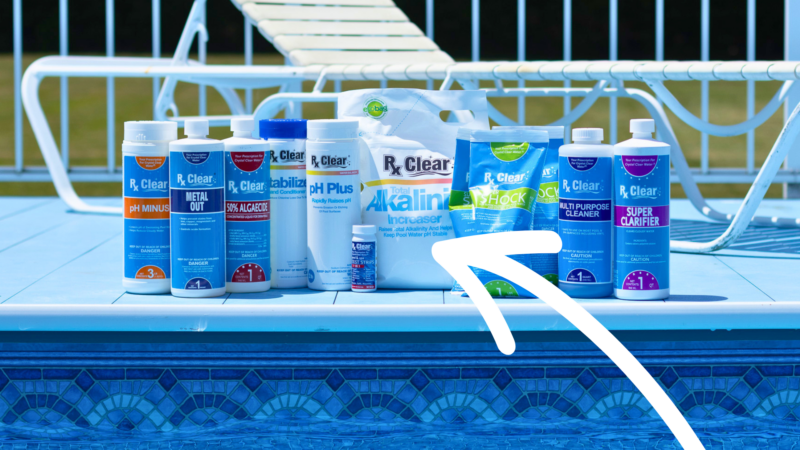
Most kits are sized by pool volume, typically up to 7,500 gallons (28,390 liters) or 10,000 gallons (37,854 liters) and up. A standard pool opening kit usually includes some combination of the following:

Everything you need to open your pool. All pre-measured so there's no guessing. Shock, clarifier, algaecide, and oil absorber work together to get your water clean and ready.
The honest answer: it depends on what chemicals you already have.
A kit makes the most sense if you’re starting from scratch or if your supplies ran out over the winter. Bundled kits can save money compared to buying each chemical separately, but only if you actually need everything in the kit.
Many kits include algaecide, stain and scale preventer, and clarifier that you might not need. If you shock your pool properly and balance your water, algaecide and clarifier are usually unnecessary. The shock itself handles algae spores and bacteria. Your filter handles the clarifying. And stain and scale preventer is only necessary if you have metals or hard water.
Also, you will still need to buy extra chemicals that aren’t included in most kits. This includes pH increaser,
So before buying a kit, take stock of what you already have and what you really need. If you’re only missing shock and don’t need a clarifier or stain and scale preventer, skip the kit.
You don’t need anything special to open your pool. Here’s what you actually need on hand:
The essential chemicals:
You may also need:
Once you test your water, here are the target ranges to hit before swimming:
If you have a brand new pool, here’s our complete startup checklist.
Whether you use a pool opening kit or not, the order of adding chemicals matters. Adding them out of sequence can waste product or cause a reaction. First, make sure your pump is running. Then follow these steps:
Use test strips or a liquid test kit. Check pH, total alkalinity, chlorine, CYA, and calcium hardness before adding anything. Take note of these numbers on a piece of paper or in the Pool Care App.
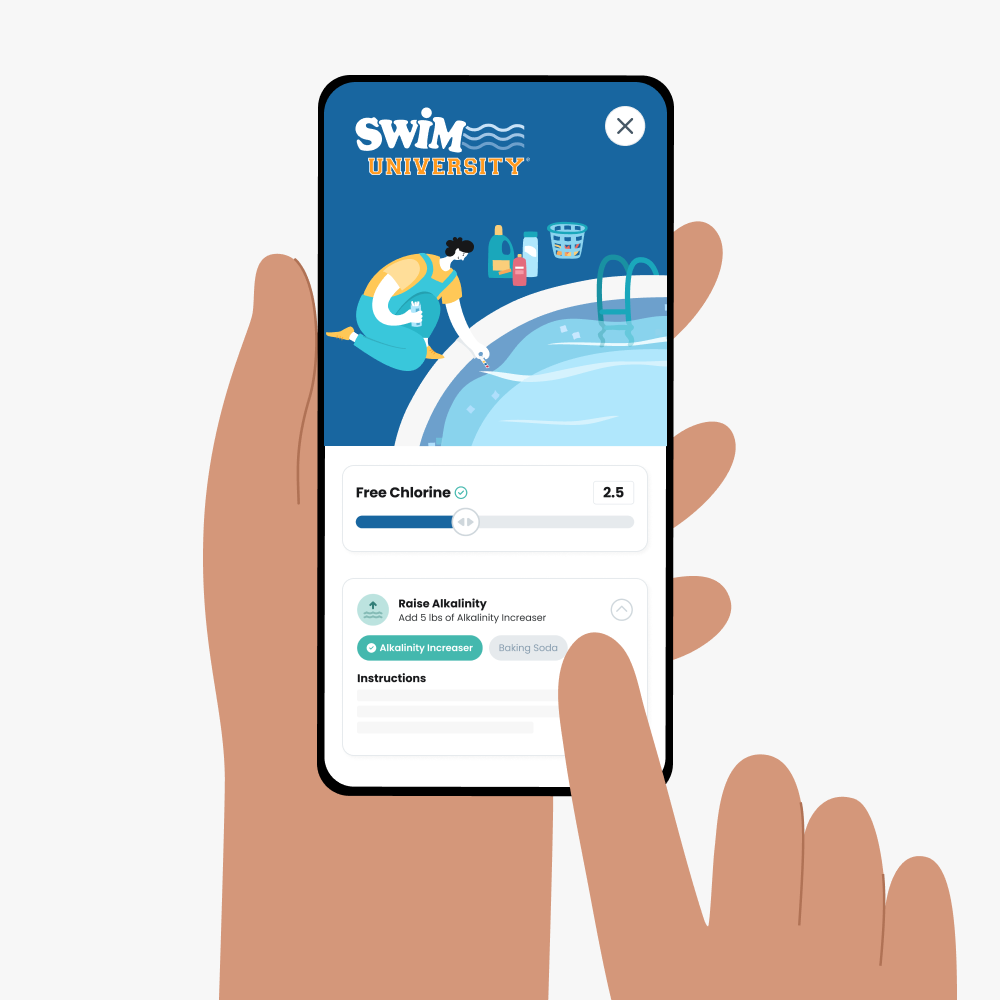
Enter your water test results. Get a custom treatment plan. Know exactly what chemicals to add to keep your pool clear. Saltwater and hot tub compatible.
Shocking your pool is the first big step. This kills any algae or bacteria that’s developed in the winter. A standard opening dose is 2 pounds (0.9 kg) of cal-hypo shock per 10,000 gallons (37,854 liters). That’s a double dose, which is recommended at opening even if your water looks clear. Add a triple or quadruple dose if the water is green. Add shock around the perimeter of the pool at dusk with the pump running. Then run your filter for 12 to 24 hours.
Salt water and fiberglass pool owners should use dichlor shock instead of cal-hypo, which can cause calcium buildup in your salt cell. If you’re not sure what shock is right for your pool, check out our guide to shock here.
After shocking, retest and adjust total alkalinity first. Your target is 80–120 PPM. Let it circulate for at least 20 minutes before retesting. Then adjust pH to 7.4–7.6. These two levels affect each other, so always do alkalinity before pH.
Check your chlorine levels. If they’re already between 1 and 3 PPM after shocking, hold off on adding more. Set up your chlorine dispenser or floater and plan to add sanitizer at least once a week going forward.
If you’re using stabilized chlorine tablets or dichlor granules, you can skip this step — they already contain CYA. If you use a salt water pool or unstabilized chlorine, add cyanuric acid to bring your levels to 30–50 PPM.
Finally, check your calcium hardness and adjust if necessary. Low calcium can lead to etching, staining, and equipment damage over time.
Salt water pool owners: After balancing your other chemicals, add salt and start up your salt water generator.
If you need more help with pool startup chemicals, check out our guide to 6 Pool Opening Chemicals.
Answer a few questions and we'll tell you what to test, what to add, and when.
Get My Free Plan
Matt is the founder of Swim University. He's been in the pool and spa industry since 1996. His mission is to make pool and hot tub care easy. Each year, he continues to help people with water chemistry, cleaning, troubleshooting, and more.
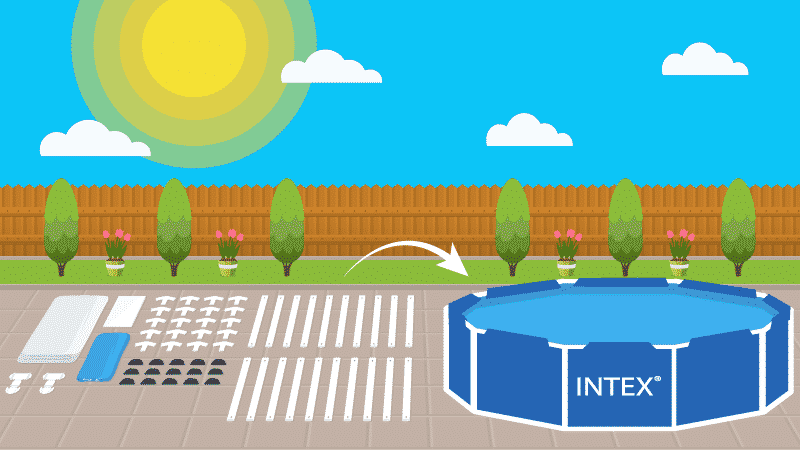
Get an Intex pool, they said. Easier than a regular above ground pool, they said. Well, they weren't wrong. You just need some Intex pool setup guidance.
You should open your pool when the outside temperature stays consistently above 70 degrees Fahrenheit (or 21 degrees Celsius). Learn more.
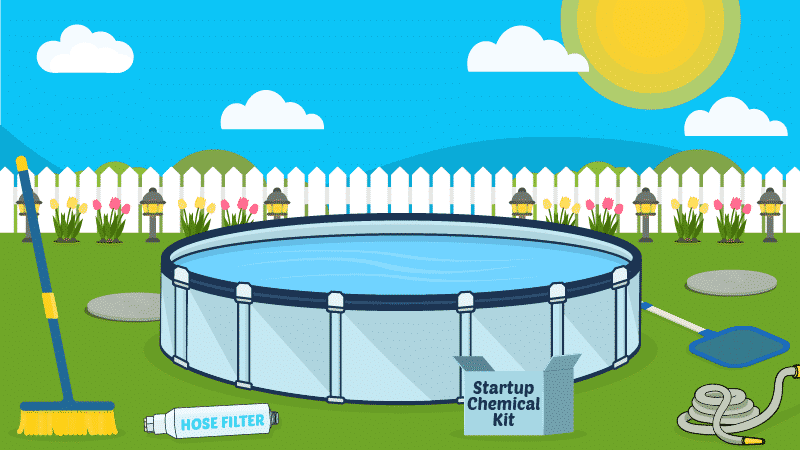
It's pool season again! Open your above ground pool with just a few pieces of equipment, some basic chemicals, and a little elbow grease.
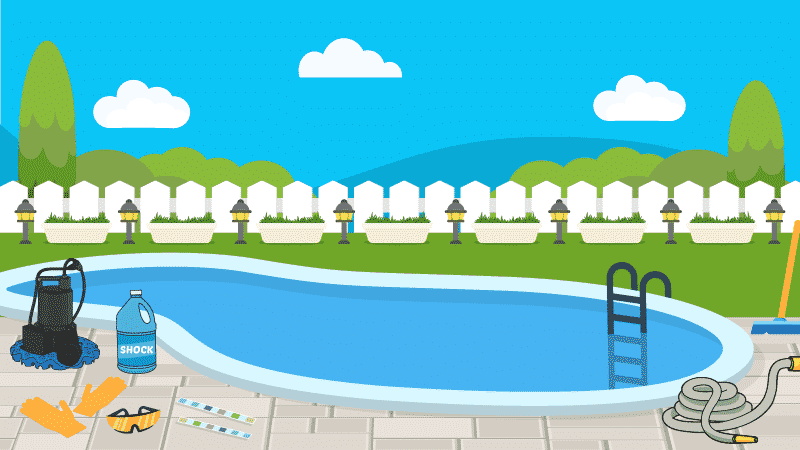
Thinking it'd be easier to just leave your pool closed when winter ends? Don't worry. Learn how to open your inground pool and get right back to the fun!
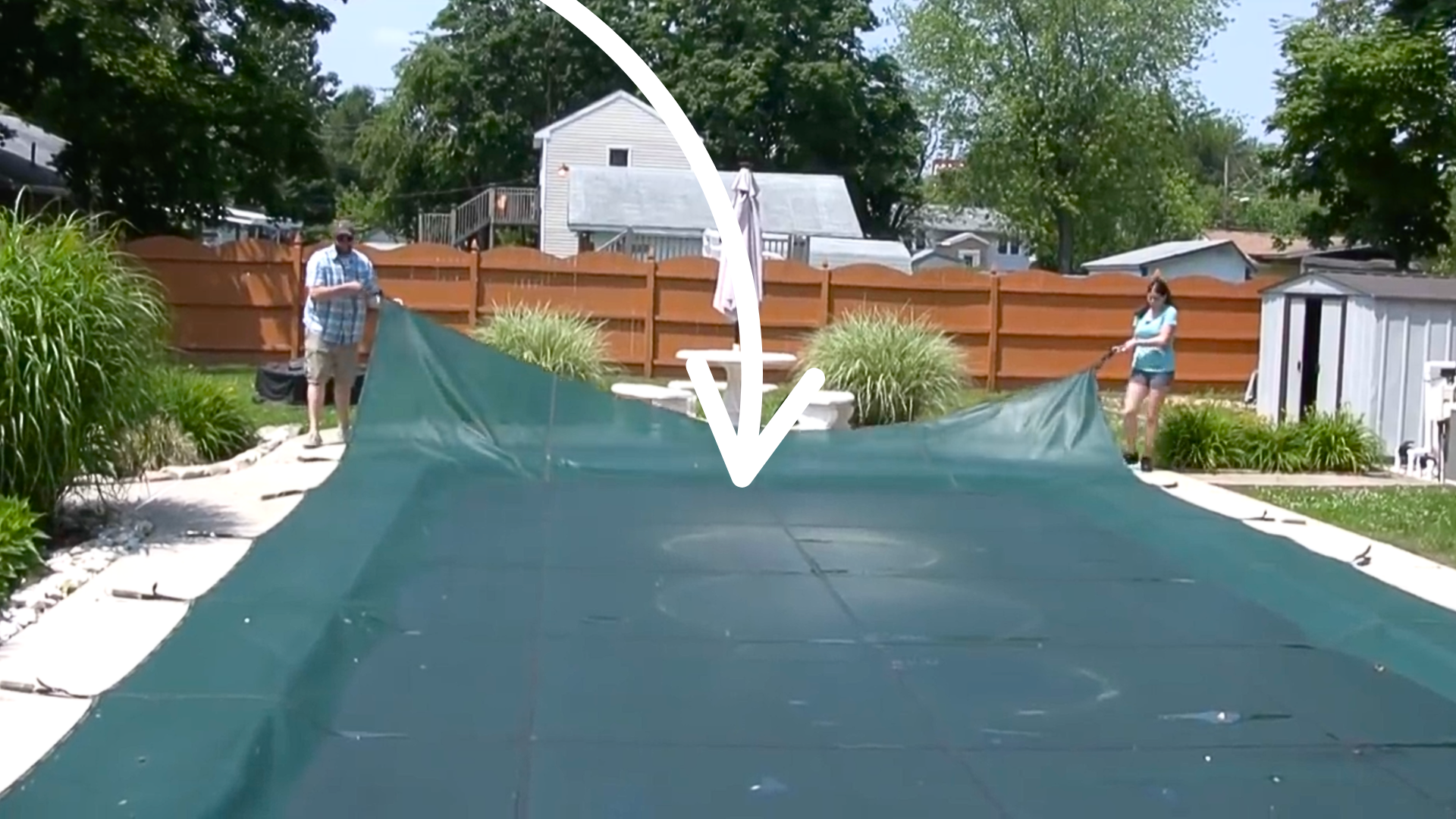
Opening your pool doesn't have to break the bank. Learn what pros charge, what chemicals cost, and how to save money doing it yourself.
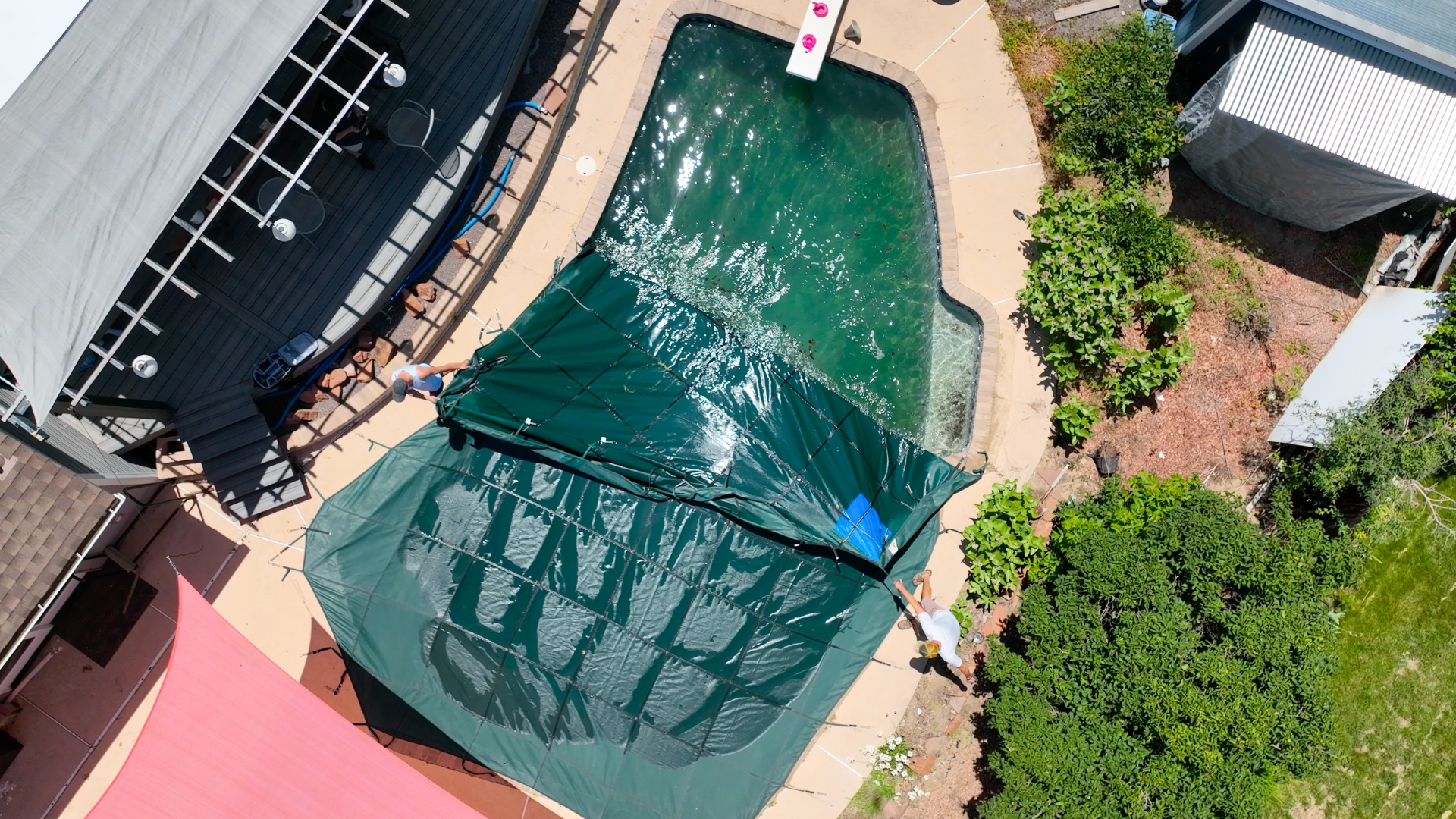
Clear cloudy pool water after opening with proper filtration, balanced chemistry, and shock treatment. Follow our proven 5-step process. Start now!


