

How to Fix Cloudy Pool Water After Opening
 Matt Giovanisci
  January 30, 2026
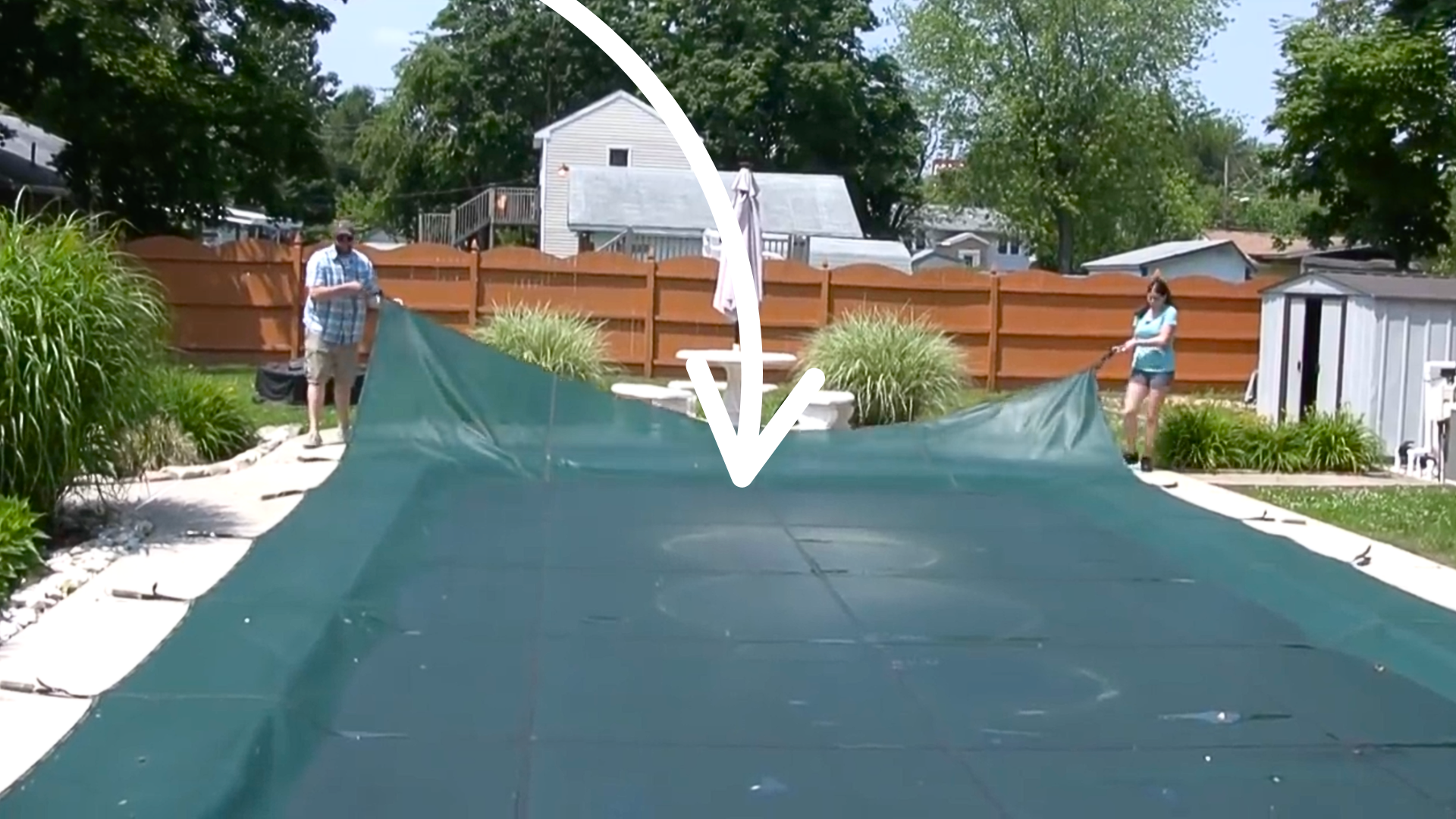
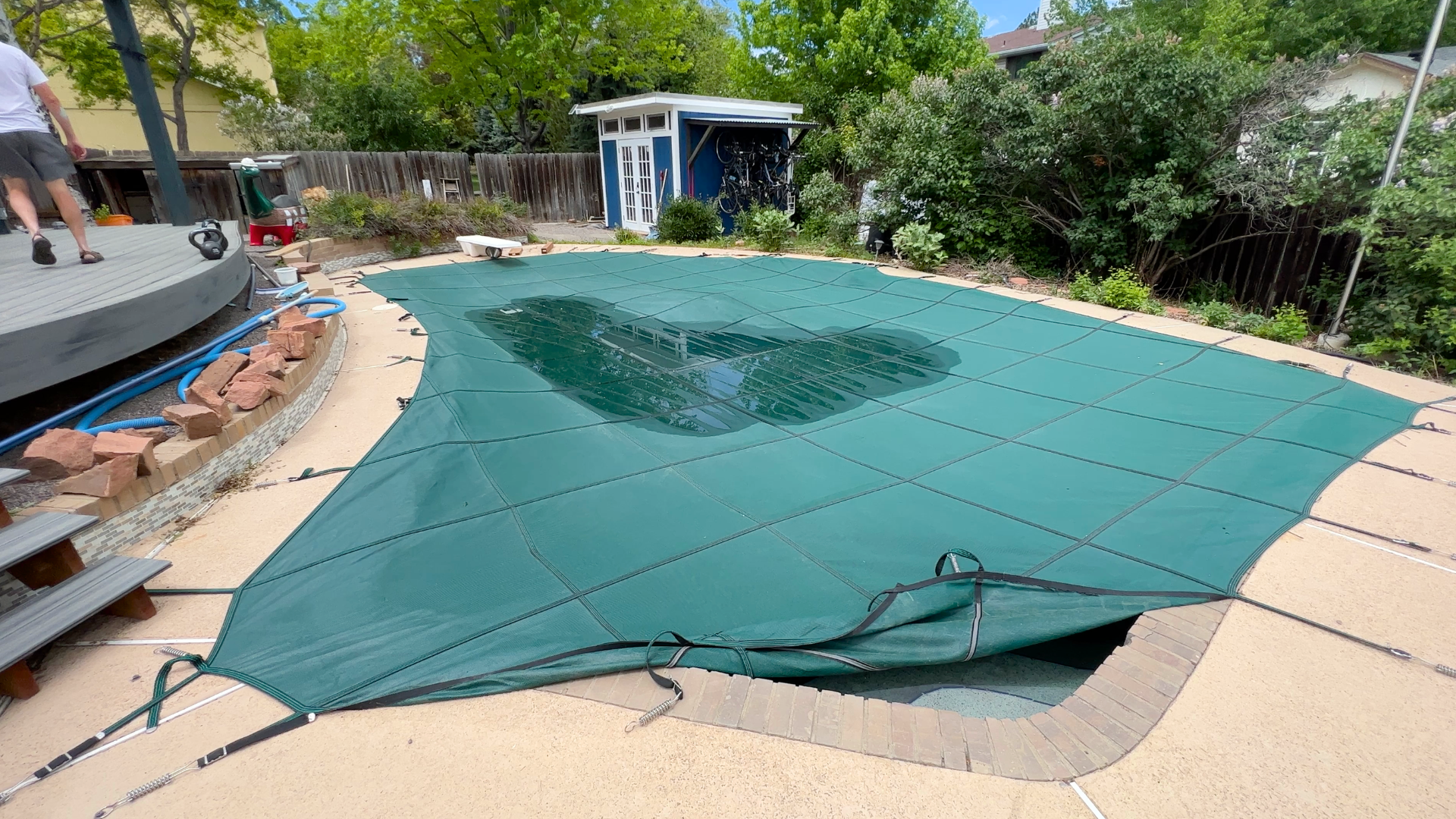
 Cloudy water after opening a pool is one of the most common problems pool owners face each spring. The good news is that most cloudy pool issues can be resolved quickly once you identify the underlying cause.
Poor filtration, low chlorine levels, imbalanced water chemistry, and contaminant buildup are the usual suspects when you remove that winter cover. Fix these problems, and your water should clear up within 48 hours.
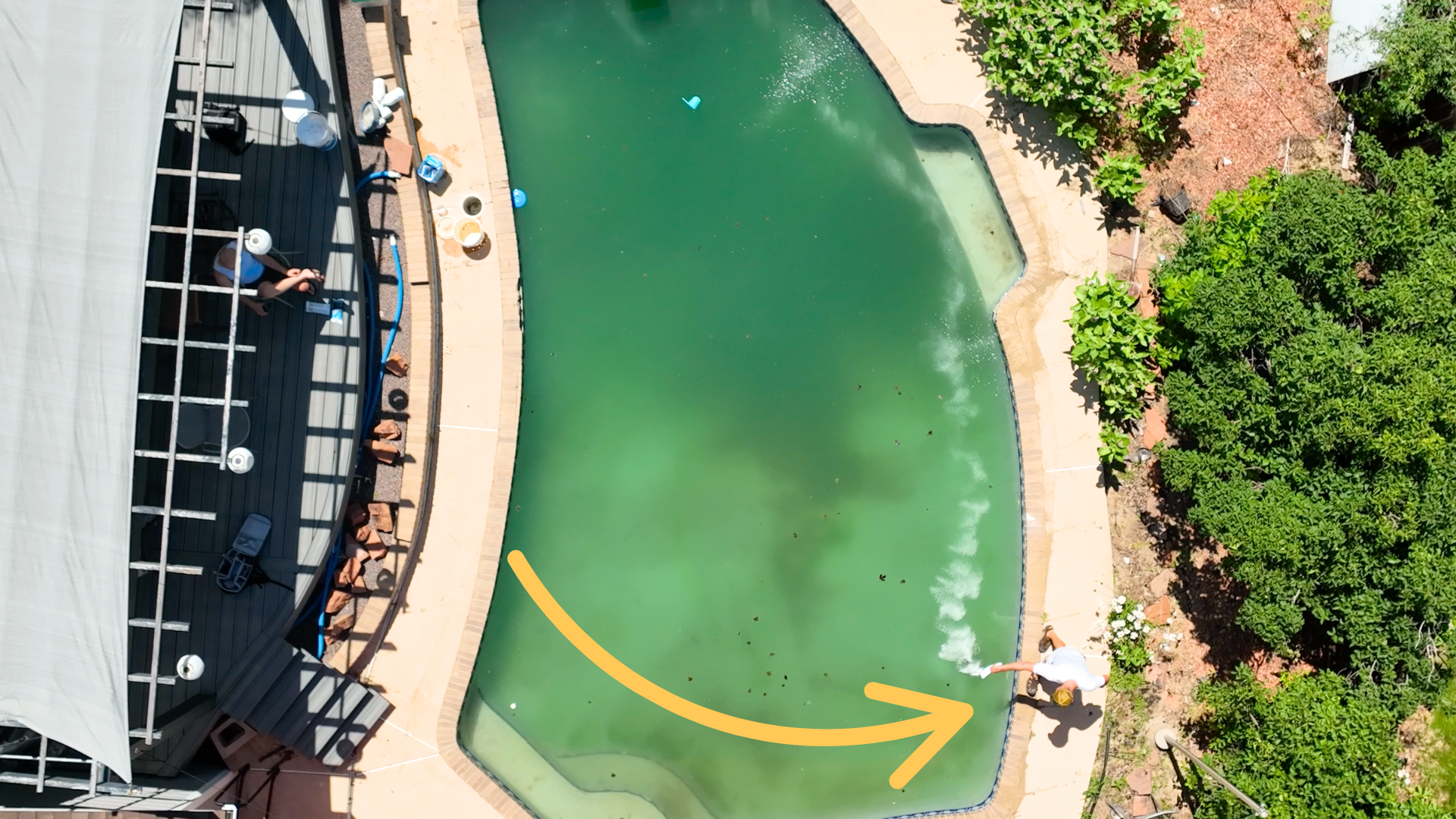
Prefer to watch instead? Check out our video guide on clearing cloudy pool water after opening.
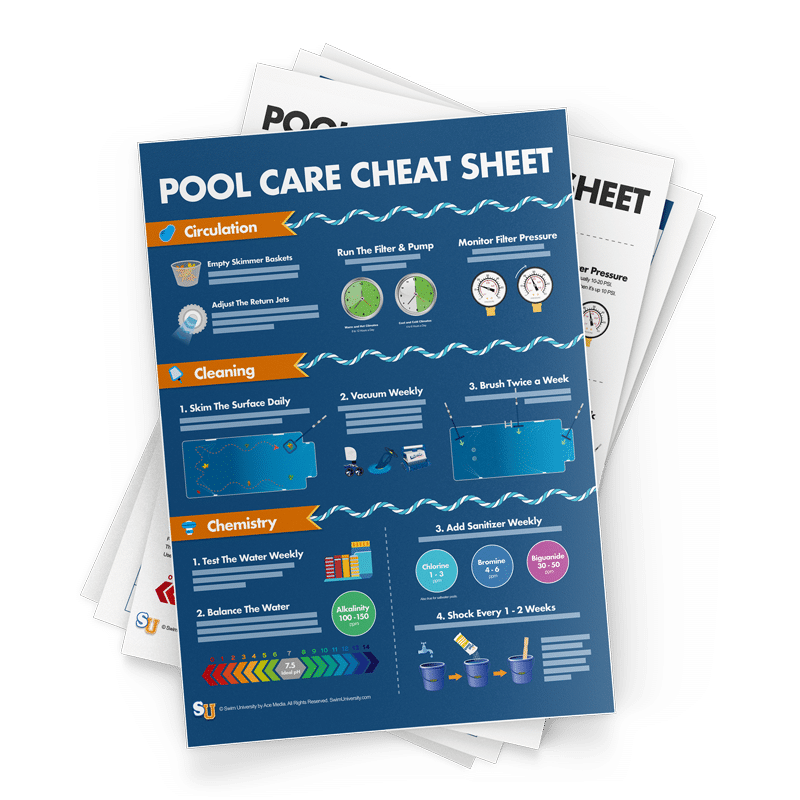
This is the ultimate guide to keeping your pool sparkling clean throughout the year that contains everything you need to know about taking care of your pool the right way. Including saltwater pools.
What Causes a Cloudy Pool When Opening
Four main issues cause cloudiness when you open in the spring.
- Poor filtration: Your filter system wasn’t running during the off-season. Without circulation, any contaminants in the water sit stagnant all winter. These small particles create that murky appearance you see when you pull back the cover.
- Low chlorine level: Chlorine levels naturally dropped during winter closure. Even if you added winterizing chemicals, the sanitizer depletes over time. Low chlorine means contaminants like bacteria and algae spores go unchecked.
- Imbalanced water chemistry: Not only can your sanitizer drop, but any rain and snow that gets into your pool can dilute chemical levels. Temperature changes also affect pH and alkalinity.
- Contaminant buildup: There’s a chance that debris made its way into your pool despite the cover. Leaves, pollen, and organic matter can decompose in the water. Or algae may be forming on your pool walls, causing some murkiness. This is especially common with mesh covers that let sunlight through.
How to Clear Up a Cloudy Pool After Opening
Follow these steps to clear up your pool in 48 hours or less:
1. Skim, Brush, and Vacuum Your Pool
Remove large debris with a heavy-duty skimmer. Brush your walls well with a stiff pool brush, then manually vacuum your pool (check out this vacuuming guide if you need help). If it’s full of dirt or debris, vacuum on the waste setting.
2. Test and Balance Your Water
Test your water with test strips or a liquid test kit. Adjust your pH and alkalinity as needed until your water is balanced. It’s okay if your pH is a bit low; the shock you add next will raise it. You can also enter your test results into The Pool Care App to get a custom chemical plan designed for your pool.
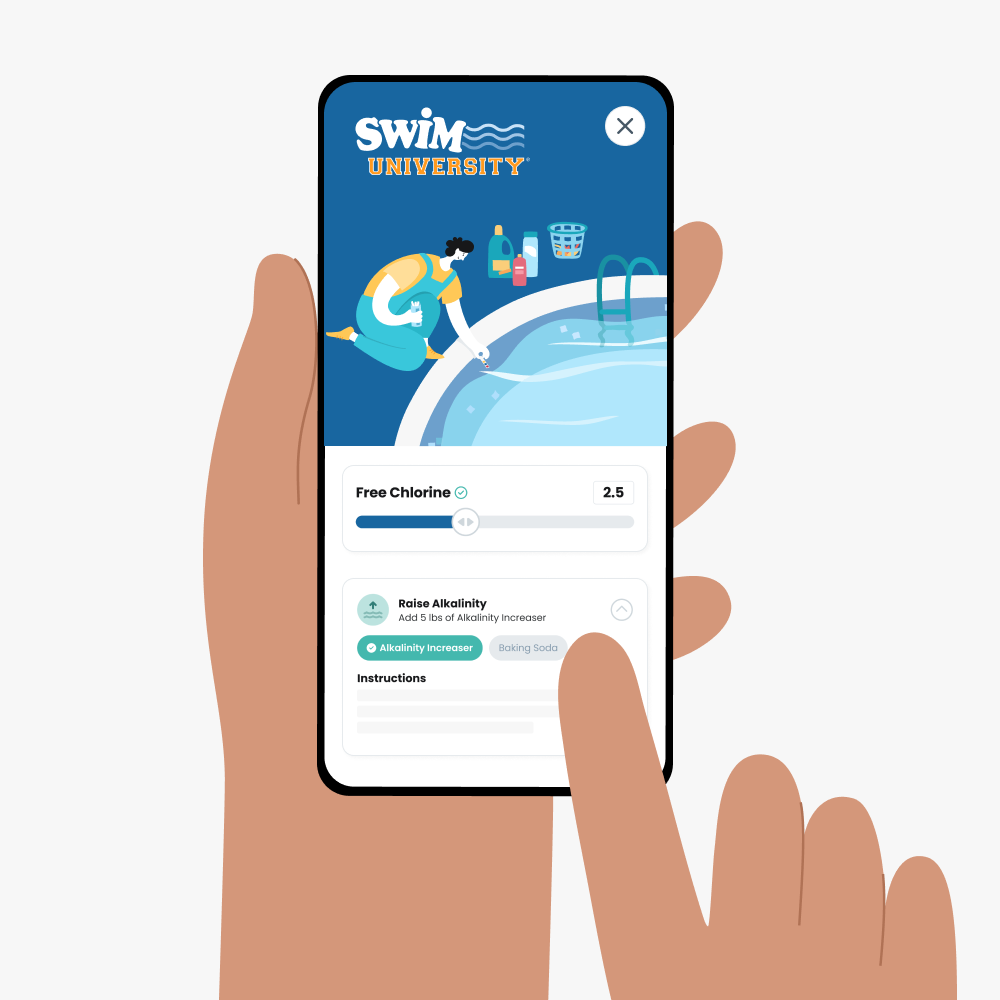
Enter your water test results. Get a custom treatment plan. Know exactly what chemicals to add to keep your pool clear.
3. Shock Your Pool
It’s time to kill any contaminants causing your cloudy pool water by shocking your pool. If you think you have a start of an algae bloom, add a double or triple dose of chlorine shock. Always shock your pool at dusk or night for maximum effectiveness, and run your filter for at least 8 hours after shocking. Not sure how to shock your water?
We have a How to Shock Your Pool guide. If your water looks cloudy blue after shocking, that’s okay! That’s a sign that dead algae is floating in the water, and it will get picked up by your filter.
4. Run Your Filter 24/7
You’ll need to run your filter continuously over the next few days to help clear the cloudy water. Check your filter pressure to make sure it doesn’t jump too high during this time. If it’s high, backwash or clean your filter, then run it again. Once the pool clears, you can return to regular filter run times.
5. Increase Your Pool Circulation
To help all of your pool water pass through your filter, increase your pool’s circulation.
- Position your return jets. Point your return jet(s) down at a 45° angle and all in the same direction. This will help churn the cloudy water up from the bottom of the pool to the top, where your main skimmer can get it into your filter system.
- Use your bottom drains. If you have an inground pool, make sure the main drain at the bottom is on and is pulling water from the bottom of the pool into your filter system. This will speed up filtering and clear the pool water faster.
- Turn your vacuum upside down. If you have an above ground pool with no main drain, you can hook up your manual vacuum cleaner and turn it upside down at the bottom of the pool to mimic a bottom main drain.
How Long Does It Take for a Pool to Clear After Opening?
Most pools clear in 48 hours after treatment. The exact timeline depends on your filter type and how cloudy your water is. A diatomaceous earth (D.E.) filter clears water fastest, a cartridge filter takes slightly longer, and a sand filter takes the longest.
Your pool will clear faster if you run your filter continuously. Keep it running 24 hours a day until the water is completely clear. Then you can return to your normal 8 to 12-hour daily schedule.
Can You Speed Up the Clearing Process?
Yes, adding a pool clarifier or flocculant after balancing your water and shocking will help clear it more quickly.
Clarifier binds tiny particles together into larger clumps. Your filter can then capture these bigger particles more easily. Add a clarifier every other day until your water clears completely. Learn more about using a clarifier.

Clears cloudy pool water by combining particles, making it easier for your filter to remove. Great for all pools. Also compatible with salt water pools.
For extremely cloudy water, use

A fast-acting formula that drops cloudy water particles to the bottom of the pool so you can vacuum it out. Safe for all pools.
Can Too Much Chlorine Make a Pool Cloudy?
Shocking your pool immediately after opening can turn it a murky blue. But the cloudiness you see after shocking is actually dead algae and killed contaminants. This temporary cloudiness is a sign the shock is working, and those dead particles are floating in your water, waiting to be filtered out.
Run your filter continuously for 8 to 24 hours after shocking. The cloudiness will clear as your filter removes the dead material. Check your filter pressure during this time, and backwash or clean your filter if the pressure is getting too high.
Will Baking Soda Clear a Cloudy Pool After Shocking?
Baking soda will not directly clear cloudy water. This is a common misconception about pool chemistry.
Baking soda (sodium bicarbonate) raises total alkalinity. While this helps stabilize pH, it doesn’t bind particles or remove cloudiness on its own.
Use baking soda before shocking if your alkalinity is below 80 PPM. This ensures your shock treatment works at maximum effectiveness. The shock itself kills contaminants, and then your filter removes them from the water.
Skip the baking soda if your alkalinity is already in the ideal range of 80 to 120 PPM. Adding unnecessary chemicals won’t speed up clearing and can actually throw your water chemistry further out of balance.
Is It Okay to Swim in a Slightly Cloudy Pool?
No, don’t swim in cloudy water. Cloudiness is a sign of a water quality issue that can make swimming unsafe.
Cloudy water means your sanitizer isn’t effectively killing bacteria and pathogens. The particles causing cloudiness can harbor harmful microorganisms. And you can’t clearly see the bottom of your pool, which creates a safety hazard.
Low chlorine levels typically cause cloudiness after opening. Free chlorine below 1 PPM means your water isn’t properly sanitized. Bacteria, algae, and other contaminants can thrive in poorly sanitized water.
Wait until your water is completely clear and chemistry is balanced. Test to confirm that your free chlorine is between 1 and 3 PPM and your pH is between 7.4 and 7.6 before swimming.
What Is the Fastest Way to Clear Up a Cloudy Pool?
The fastest clearing method is balancing your water, shocking your pool, running your filter 24/7, and adding clarifier or flocculant. This multi-step approach tackles cloudiness from all angles.
To speed up the process, clean your filter before starting. Backwash your sand or D.E. filter. Rinse your cartridge filter thoroughly. Check your skimmer basket and pump basket for debris. Remove any leaves, twigs, or other material. A clogged basket reduces water flow and slows clearing.
Will a Cloudy Pool Clear on Its Own?
No, cloudy pools do not clear without following the steps above. The underlying problems causing cloudiness will persist until you correct them.
Your filter system won’t remove particles effectively if it’s not running enough, and low chlorine levels and imbalanced pH won’t self-correct.
The cloudiness may even worsen over time. Early-stage algae causes mild cloudiness, and more advanced algae blooms require extra shock to eliminate. Your filter also works harder trying to clear water when the chemistry isn’t balanced.
What Should I Put in My Pool If It Is Cloudy?
Don’t add chemicals blindly based on the cloudiness alone. Start by testing your water.
- Add alkalinity increaser or baking soda if total alkalinity is below 80 PPM. This stabilizes your pH and prepares your water for shocking. Wait 30 minutes for circulation before testing again.
- Add pH increaser (soda ash) if pH is below 7.4. It’s okay if your pH is a bit low, since the shock will raise it later.
- Add
pH decreaser (sodium bisulfate or muriatic acid) if pH is above 7.6. Balanced pH allows your sanitizer to work at maximum effectiveness. - Shock your pool with cal-hypo shock, dichlor shock, or liquid chlorine. Use one pound per 10,000 gallons (37,854 liters) for routine shocking. Double or triple this amount if you see any algae. If you’re not sure what shock is right for your pool, check out our shock guide.
Optional Chemicals for Faster Clearing
Pool clarifier and
- Pool clarifier binds microscopic particles into larger clusters that your filter can capture. Add a clarifier every other day until the water clears.
- Pool flocculant (floc) works faster than a clarifier for extremely cloudy water. It causes particles to sink to the bottom overnight. You must manually vacuum the settled debris to waste, bypassing your filter.
Key Takeaways
- Cloudy water after opening is caused by poor filtration, low chlorine levels, imbalanced water chemistry, and contaminant buildup.
- Most pools clear within 48 hours after proper treatment, with D.E. filters clearing fastest and sand filters taking longest.
- Skim, brush, and vacuum your pool before adding chemicals.
- Balance your water chemistry first before shocking, then run your filter 24/7.
- Add pool clarifier or flocculant to speed up the clearing process.
- Never swim in cloudy water; poor water quality can cause health problems.
- Shocking may cause temporary cloudiness when it kills algae, and the dead contaminants are floating in the water.
- Cloudy pools won’t clear on their own and actually worsen over time as algae blooms and bacteria multiply in poorly sanitized water.
3 Ways We Can Help With Your Pool
- The Pool Care Handbook: An illustrated guide to DIY pool care, including water chemistry, maintenance, troubleshooting, and more.
- The Pool Care Video Course: You’ll get 30+ step-by-step videos and a downloadable guide with everything you need to know about pool maintenance.
- The Pool Care App: Enter your water test results. Get a custom treatment plan. Know exactly what chemicals to add to keep your pool clear.