Every pool is different. Get a free step-by-step plan for yours.
Get My Free PlanOh no! You have nitrates in your pool! Drain it! Scrub it! Refill it! Then just keep it covered so it doesn’t get contaminated again! This sounds like a lot of the pool nitrate advice out there, doesn’t it?
But here’s our recommendation. Take a step back, learn what nitrates are, and whether or not you actually need to worry about them.
Much like pool phosphates, nitrate is a naturally occurring chemical usually found in manure, fertilizer, and the liquid waste that comes from septic tanks. Bacteria in soil are able to convert nitrogen into nitrate, which helps grass, plants, and trees grow.
This can depend on where you live, but some factors are a concern regardless of location.
In rural areas, nitrates most likely come from water runoff, particularly if you live near cattle grazing areas.
If your home isn’t on the municipal wastewater treatment systems and you have a septci tank, it likely contains nitrates, which can seep into the ground and then make their way into your pool.
Wells are also known to contain high amounts of nitrates, which is a particular concern if that’s the water source you use to fill your pool.
Runoff from the grass, plants, and trees in your yard can put nitrates into your pool. This is especially true if you use fertilizer on your lawn or plants.
Even rain can deposit nitrates into your pool if you don’t cover it during a rain shower or thunderstorm.
Local wildlife, and even your pets can contaminate your pool with nitrates, because they relieve themselves in the yard. Even if you clean up after them, some residue will remain, and when it rains, that residue—and the nitrates it contains—will run into your pool.
Birds and ducks in your pool are particularly bothersome as they’ll land in the water and contaminate it with their feces.
Your dog may love to swim with you, but they can bring nitrates into the pool on their paws and fur. Dogs can pick up nitrates just by walking on grass that’s been fertilized or that has feces residue on it, or by rolling around in the yard.
Nitrates from the grass and other plant life may attach to their paws and coats, and will wash off into the pool as they swim.
Sweat, oils, and other waste from our bodies combined with cosmetic and toiletry products can add small amounts of nitrates to your pool. Over time, these levels can build up until there’s enough present to allow for quick growth of algae.
In your yard, nitrates are a good thing. But think for a minute. If nitrates are in fertilizer to feed the plants outside your pool, wouldn’t they be a food source for plants in your pool? Like, say, algae? Yes. Yes, they are. So you must need to remove nitrates from your pool, right? No. No, you don’t.
Here’s the thing. You’ll never be able to remove all the nitrates from your pool, just like it’s impossible to remove all the phosphates from your pool. And though both substances are food sources for algae, the remedy to prevent algae isn’t to remove the food source. That’s like saying the way to keep pests out of your vegetable garden is to remove the vegetables.
Instead, you need to treat the problem, not the symptoms. In this case, that means preventing algae from growing in your pool in the first place before it has a chance to eat any nitrates.
The answer is to keep your pool clean and sanitized. Simple, right? It really is. It just requires following a maintenance schedule, and testing your pool water on a regular basis, more often if your pool is susceptible to one or more potential nitrate sources.
Make sure the chlorine (or whatever sanitizer you use) level remains in the proper range, and shock your pool at least once a week.
Maintaining sanitizer levels and keeping the water clean are the keys to algae prevention. Do that, and the nitrates in the pool won’t matter.
You’ll just drive yourself up the wall if you try to control or remove the nitrates in your pool. Instead, focus on keeping it clean, and enjoying it the way it was meant to be enjoyed.
Answer a few questions and we'll tell you what to test, what to add, and when.
Get My Free Plan
Matt is the founder of Swim University. He's been in the pool and spa industry since 1996. His mission is to make pool and hot tub care easy. Each year, he continues to help people with water chemistry, cleaning, troubleshooting, and more.
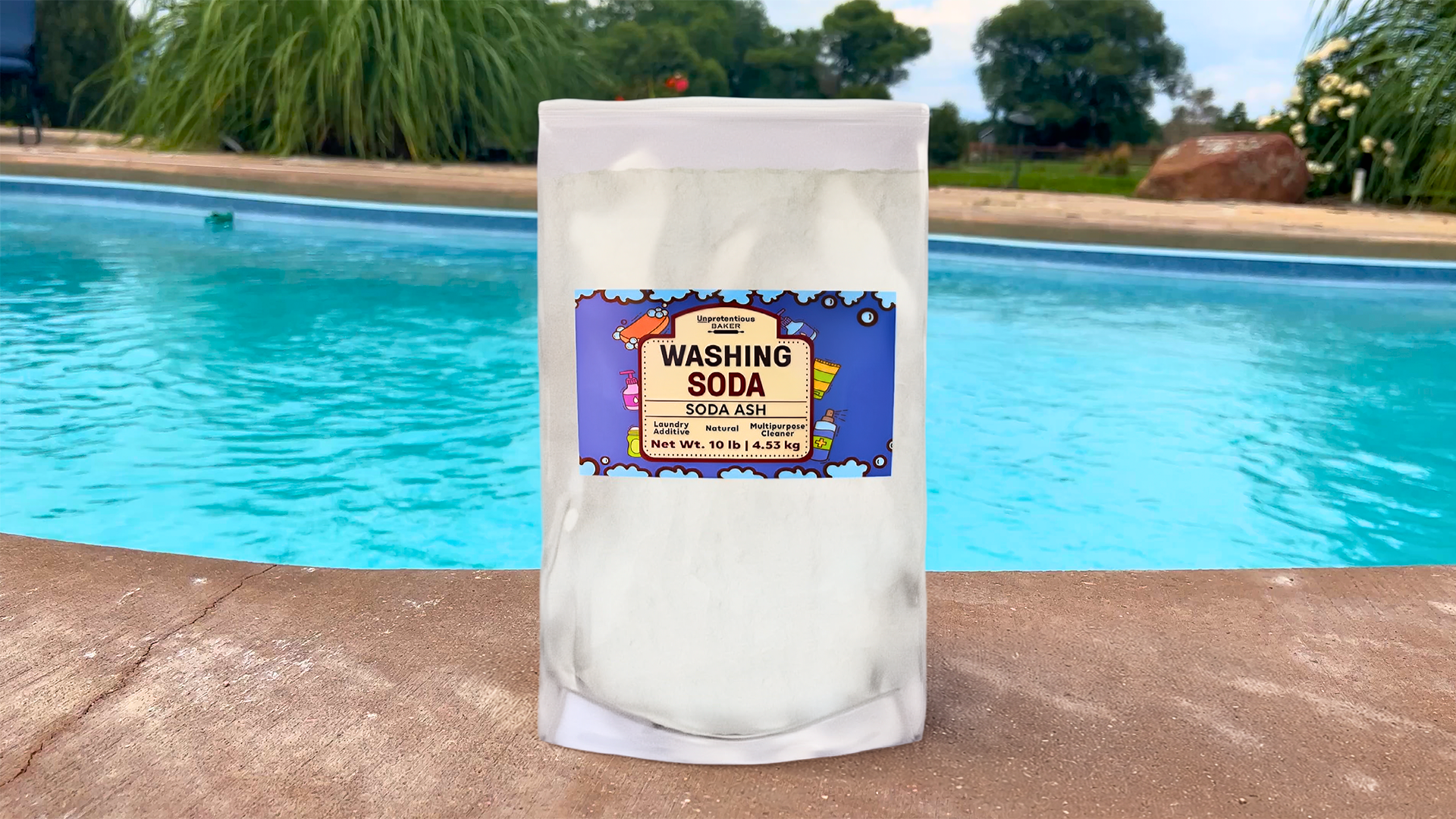
Learn how to use soda ash in a pool to raise the pH. Includes dosage, step-by-step instructions, and how to avoid cloudy water. Read more now.
Is your chlorine too high? We’ll show you how to reduce your chlorine levels and usage in your swimming pool.
How do you know if your pool suffers from chlorine lock or demand? Hint: Only one of them is a valid problem. Find out which one and how to fix it.
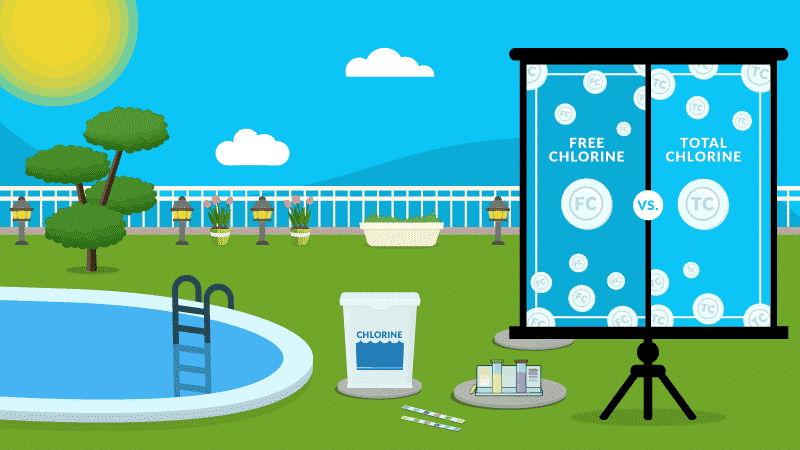
Is there enough free chlorine in your pool? If not, the pool's not as clean as you think it is. The key is understanding both total and free chlorine.
Pool RX promises clearer water and less chlorine for up to 6 months. See how it works, what it costs, and if it's worth it. Get the full review.
Which one's the better pool sanitizer? Liquid chlorine or chlorine granules? Let's break down the pros and cons of each to decide which is right.


