

Above Ground Pool Chemicals: How to Balance Your Water
 Matt Giovanisci
  April 3, 2026
 Did you know you should be adjusting the pH and chlorine in your above ground pool at least once a week? These levels fluctuate the most in your water. And when they’re off, it can lead to algae growth, eye irritation, and even damage your pool equipment and plumbing.
But how do you actually test and balance your water? And what about other levels, like cyanuric acid or calcium hardness? Knowing what to test and when can save you from big pool problems in the future. So here’s a quick guide on how to test and balance your pool chemicals. Let’s dive in.
This is the ultimate guide to keeping your pool sparkling clean throughout the year that contains everything you need to know about taking care of your pool the right way. Including saltwater pools.
Test The Water Before Adding Chemicals
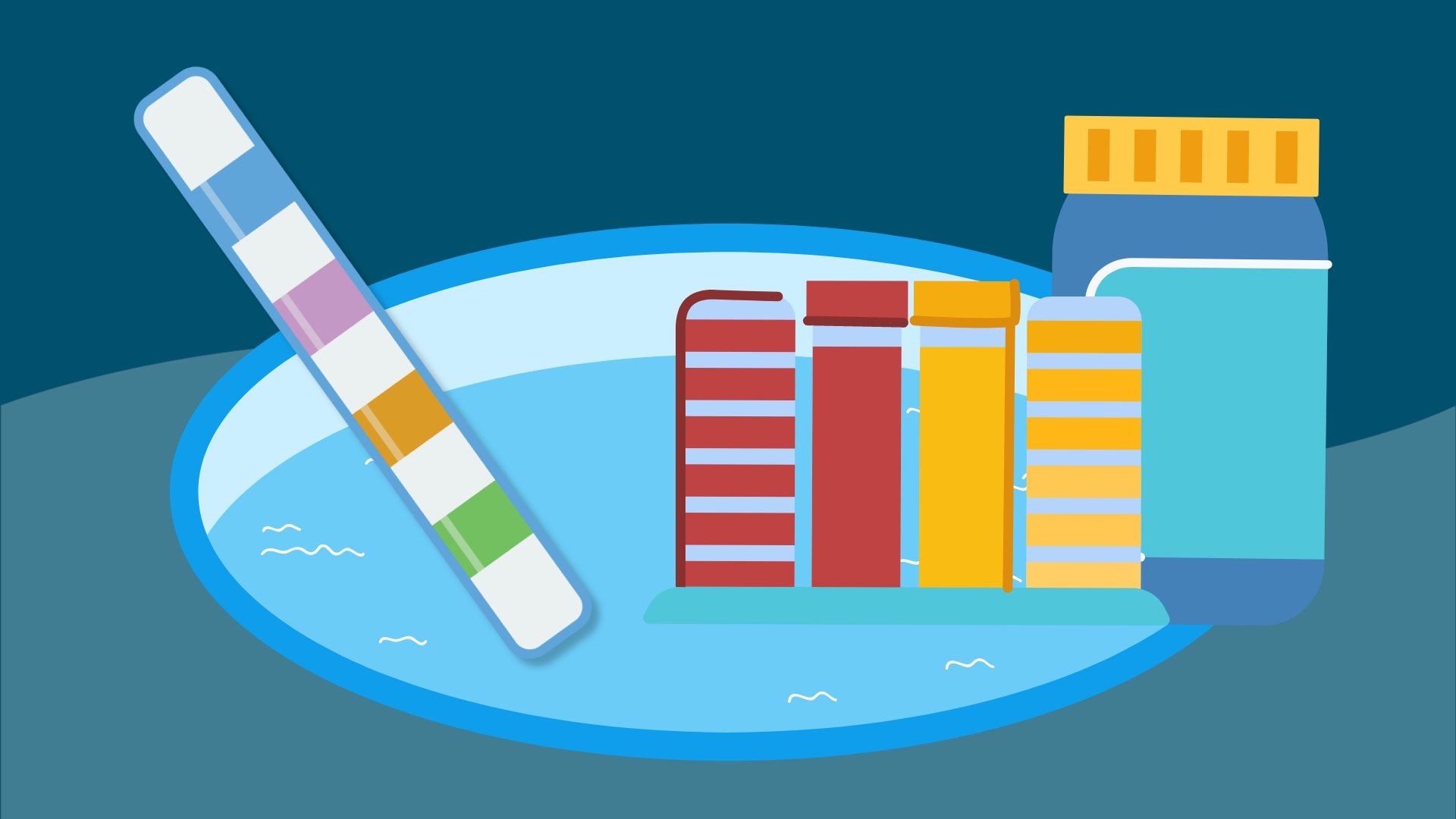
You can use test strips or a liquid test kit. If you’re having trouble reading the colors on test strips, you can also buy a digital reader.
Test strips are easy to use and cheap, making them an easy option for weekly maintenance. Most test strips measure the basics, like pH, alkalinity, and chlorine, while specialty test strips measure copper, iron, and salt.
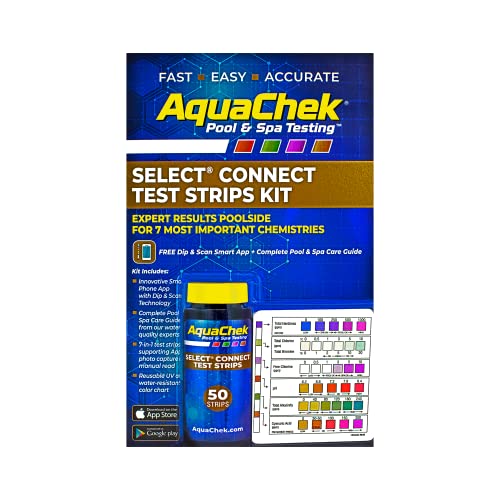
Tests for 7 important chemistries in seconds: Total Hardness, Total Chlorine, Total Bromine, Free Chlorine, pH, Total Alkalinity, and Cyanuric Acid.
Collecting a good water sample from your pool is important for accurate results. Using a clean cup, hold it upside down so the opening is facing the pool floor. Insert the cup into the water elbow-deep, and then turn it right side up to collect the sample. Just don’t take your water sample near the skimmer opening or return jets.
Then, dip a test strip into the water, in and out. Hold it still in the air for about 15 seconds and compare the strip to the guide on the packaging.
You’ll want to test your pool water at least once a week and more often if the pool is getting a lot of use, if it’s rained a lot, or if you’ve just added fresh water or chemicals.
How to Read Pool Test Results
Most levels are measured in PPM or Parts Per Million. And each test strip brand may be slightly different. But here’s what you’ll find on a standard 6-Way Test Strip, from top to bottom.
1. Total Hardness
Your total hardness measures the amount of calcium in your water. This level effects your pool equipment and surfaces over time. Your Total Hardness should be between 175—275 ppm.
2. Total Chlorine (or Total Bromine)
Your Total Chlorine is the amount of free chlorine and combined chlorine in your water. Your Total Chlorine should be around 3 parts per million, and as close to your Free Chlorine reading as possible.
3. Free Chlorine
Your Free Chlorine measures the amount of chlorine that’s available to actively sanitize your pool water. Your Free Chlorine should be between 1 and 3 parts per million with 3 ppm being ideal.
Your Total Chlorine Levels minus your Free Chlorine Levels gives you your Combined Chlorine Levels. That’s the chlorine that’s been “used up” in your water. It should be as close to zero as possible, but less than 0.5 ppm. When your combined chlorine levels are high, your chlorine isn’t as active and you may notice a chlorine-like smell in the water.
4. pH
Your pH measures how acidic or basic your pool’s water is. When your pH is off, it can damage your pool equipment, irritate swimmers’ skin and eyes, and stop your chlorine from working effectively. Your pH should be between 7.4 and 7.6.
5. Total Alkalinity
Your total alkalinity helps prevent your pH from fluctuating. Your alkalinity should be between 80 and 120 ppm. We recommend keeping it a bit higher than 80 since having it in the water helps keep your pH in range.
6. Cyanuric Acid (also known as CYA or Stabilizer)
Cyanuic acid helps stabilize your chlorine and protect it from being destroyed by the sun’s UV rays. Without it, the chlorine levels in an outdoor pool will quickly drop. Your cyanuric acid levels should be between 30 and 50 ppm.
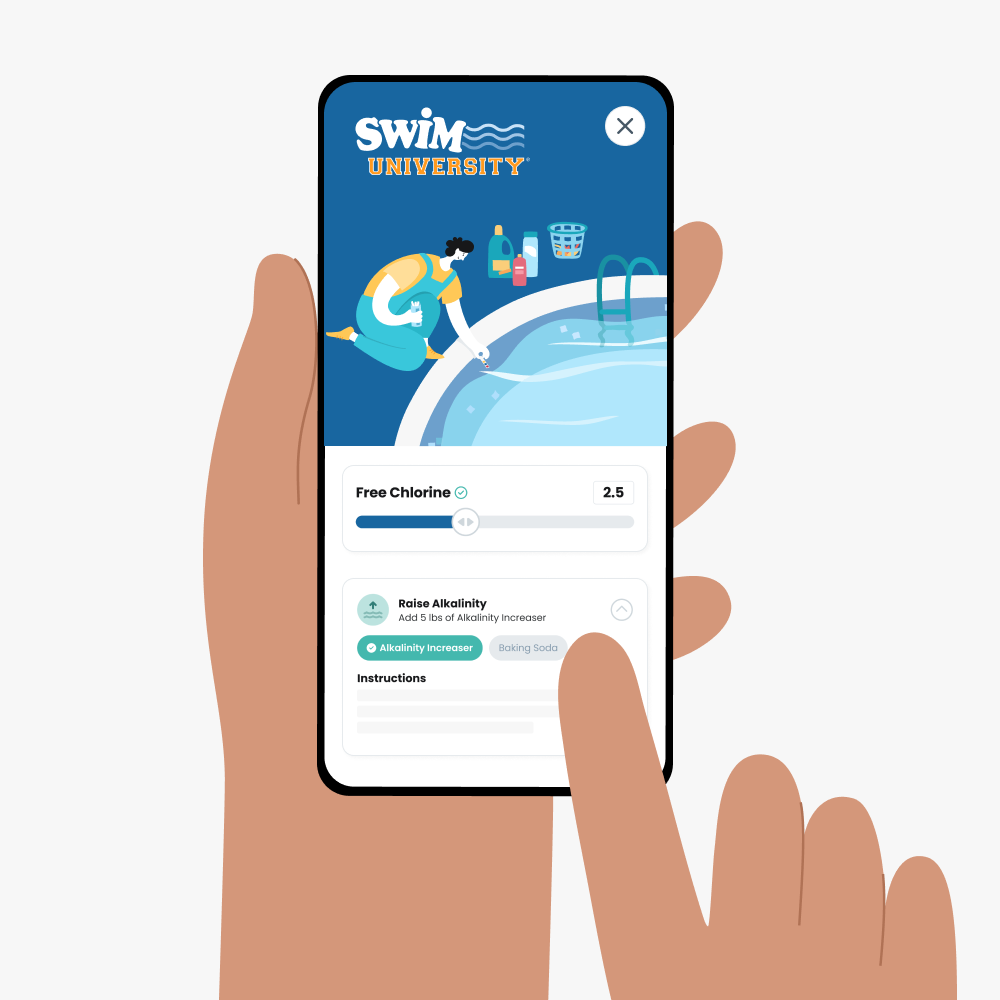
Enter your water test results. Get a custom treatment plan. Know exactly what chemicals to add to keep your pool clear. Saltwater and hot tub compatible.
What Chemicals Do You Need to Add to Your Above Ground Pool?
You’ll want to have the following chemicals on hand to balance your levels:
- Alkalinity increaser (or baking soda)
- pH increaser (or soda ash)
- pH decreaser (or muriatic acid)
- Chlorine, like tablets, granules, or liquid chlorine
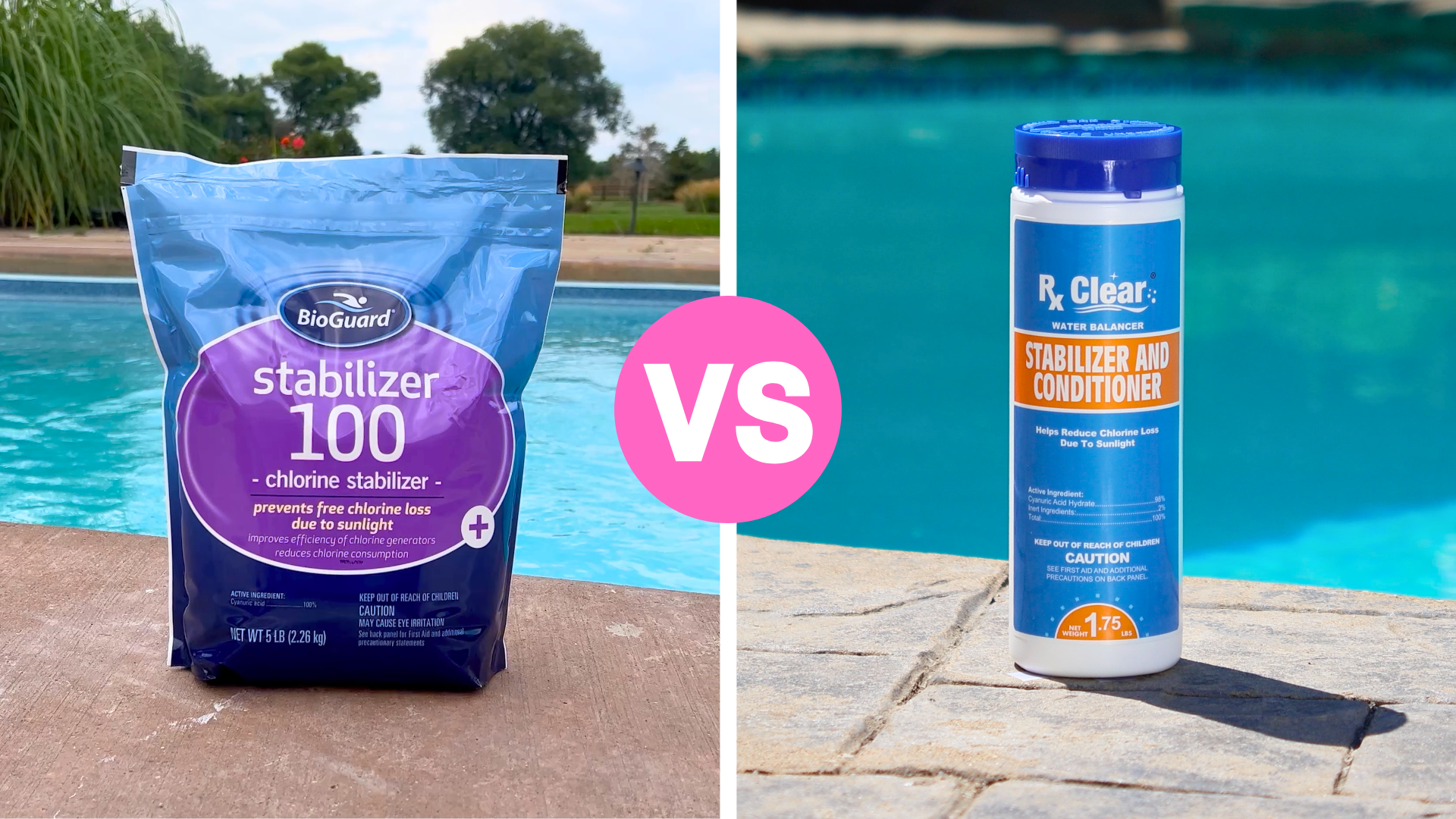
- Chlorine stabilizer
- Calcium hardness increaser
- Pool shock
- And protective gear like gloves and goggles.
Depending on your water and what type of chlorine you use, you might also need a metal sequestrant.
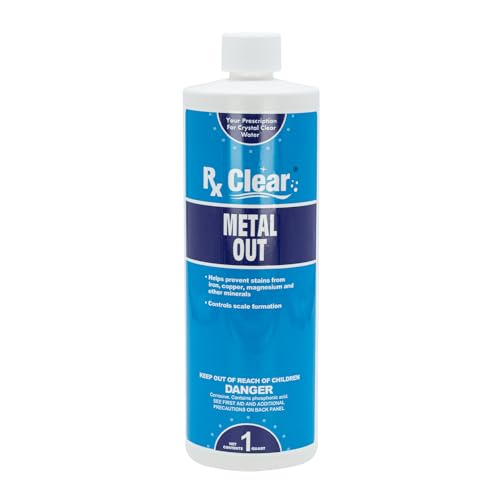
Helps prevent staining by removing iron, calcium, manganese, copper and other metals from your pool water. Also helps protect plumbing and pool walls from rust, stain, and scale. Used for all pool openings and closings.
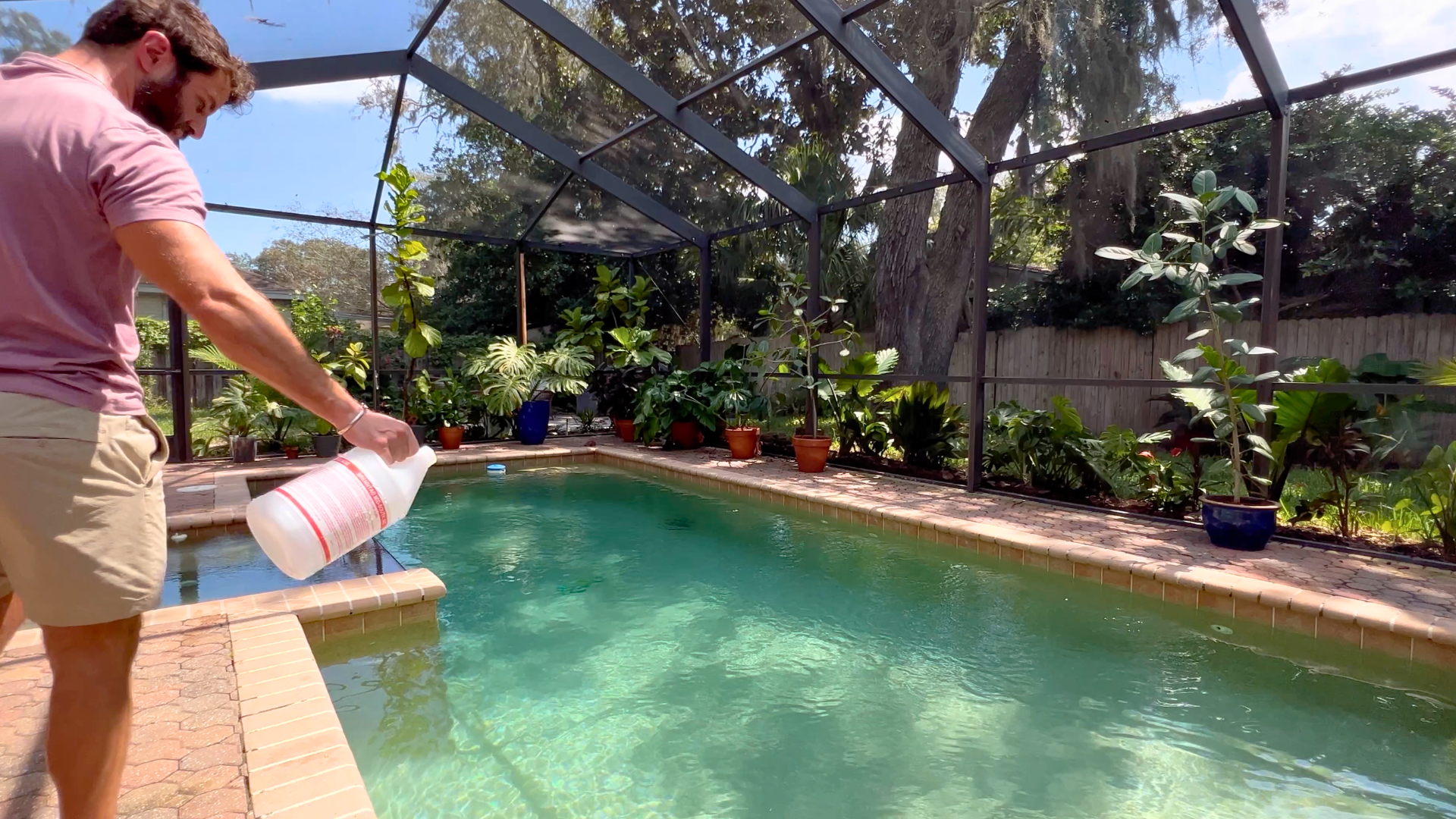
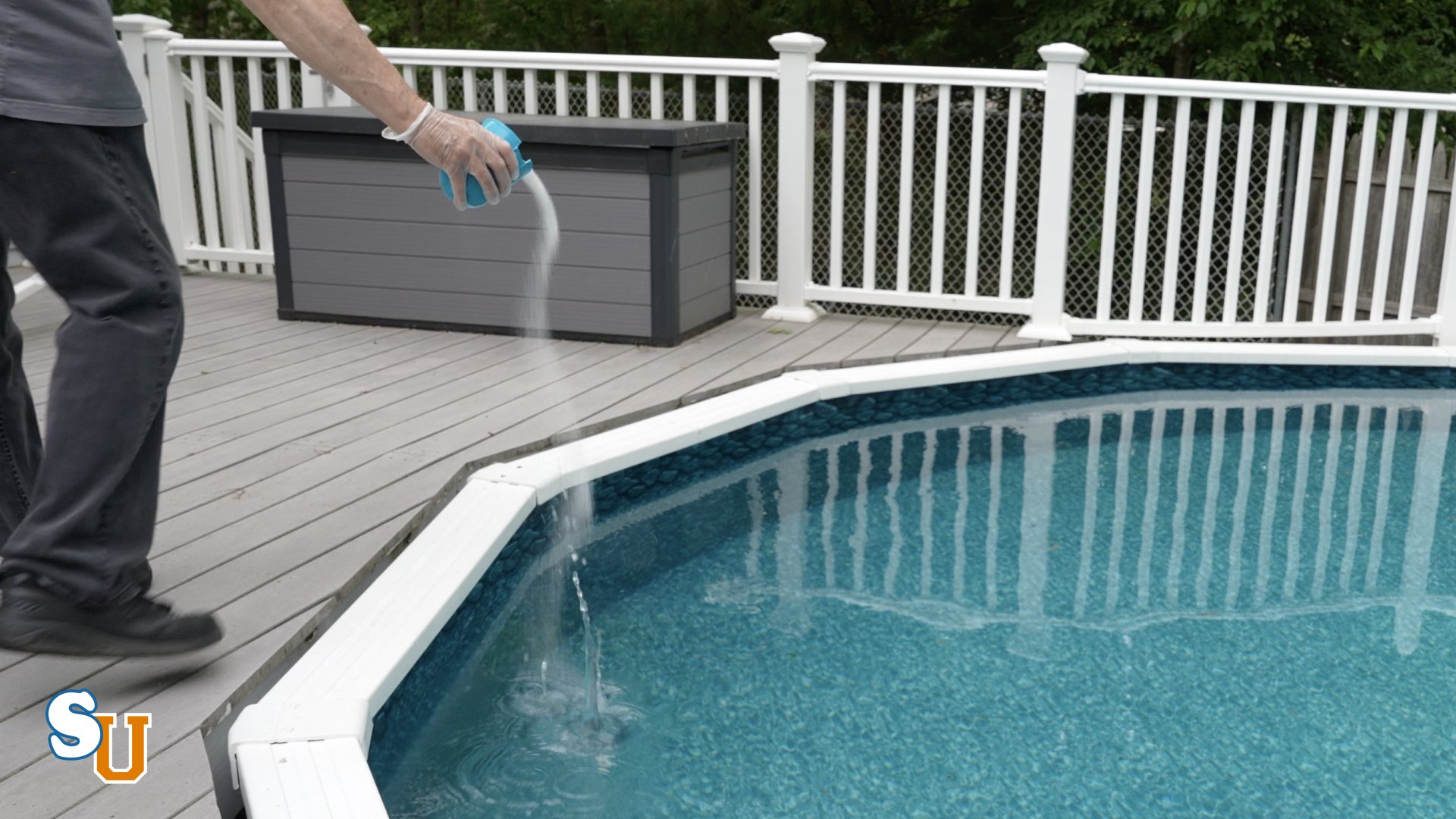
When adding chemicals, add slowly. You can always add more later. Be sure the pump and filter are running while adding chemicals. It can either be on the recirculate or filter setting.
Be sure to wait at least 20 minutes after adding each chemical to let it circulate and disipate. And don’t mix chemicals together outside of the pool. It can cause toxic gas or even explode.
Finally, Here’s The Right Order to Add Chemicals to Your Pool
Adding chemicals in the wrong sequence can actually cause issues like cloudy water. And your chemicals may not work as well. So follow this sequence for the best results. And if you’re using a metal sequestrant, use that before adding anything else.
1. Adjust Your Total Alkalinity
Alkalinity helps prevent fluctuations in pH. So adjusting your alkalinity first can help bring your pH into range. If you need to raise your alkalinity, you can use an alkalinity increaser or baking soda. If you need to lower your alkalinity, you’ll actually use
Alkalinity Calculator
Enter your pool size and test results. You can also download The Pool Care App for more features.
2. Adjust Your pH
This will help your chlorine work more effectively later, so it’s important to adjust it beforehand. You can lower your pH with a
3. Adjust Your Chlorine
Add your chlorine tablets, granules, or liquid chlorine to the water. Keep in mind that it may take several hours for your levels to come into range if you’re using tablets. If you have a saltwater pool, make sure that you still have enough salt in the water to keep your chlorine levels in range and your saltwater generator working.
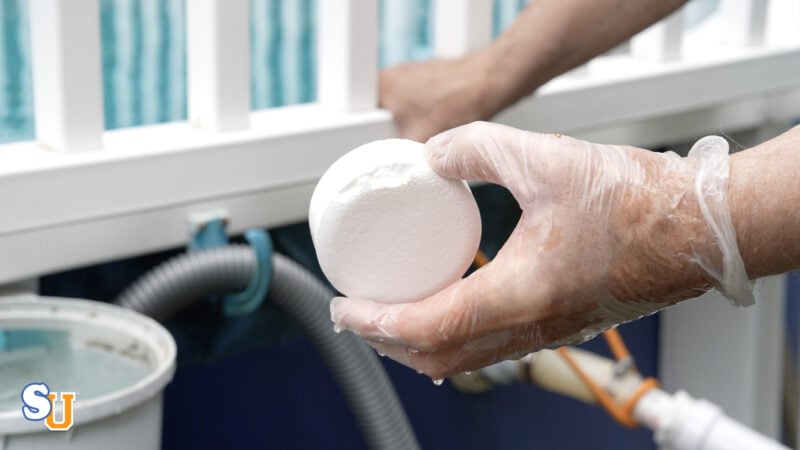
| Chlorine Type | 5000 Gallons (18927 Liters) | 10000 Gallons (37854 Liters) | 20000 Gallons (75708 Liters) |
|---|---|---|---|
| Granules | 2 oz (4 Tbsp) | 3–4 oz (6–8 Tbsp, 1/2 Cup) | 7 oz (Almost 1 Cup) |
| Tablets (3-Inch) | 1 Tablet (Or Use 1-Inch Tabs) | 2–3 Tablets | 4–5 Tablets |
| Liquid | 1/2 Gallon (1.89 Liters) | 1 Gallon (3.79 Liters) | 2 Gallons (7.57 Liters) |
4. Adjust Your Cyanuric Acid with a Chlorine Stabilizer (If Needed)
If you use dichlor granules or trichlor tablets, they already contain cyanuric acid, and you don’t need to add any stabilizer. If you use liquid chlorine or have a saltwater pool, you’ll need to add a chlorine stabilizer to help protect your chlorine from breaking down in sunlight. But don’t worry about adding CYA if your pool isn’t in direct sunlight.
Pool Stabilizer Calculator
Enter your current and desired stabilizer (CYA) levels along with your pool volume to find out how many pounds of cyanuric acid you need to add. You can also download The Pool Care App for more features.
5. Adjust Your Calcium Hardness
These levels do more damage in the long run, like eroding parts in your pool. So you don’t need to adjust your calcium hardness right away before swimming. And if you drain and refill your pool each year, you don’t need to worry about these levels. Add a calcium hardness increaser if your levels are too low. If your levels are too high, unfortunately, the only way to bring them down is by partially draining your pool and refilling it with fresh, filtered water.
| Increase By (ppm) | 1000 Gallons (3785 L) | 5000 Gallons (18927 L) | 10000 Gallons (37854 L) | 15000 Gallons (56781 L) | 20000 Gallons (75708 L) | 50000 Gallons (189271 L) |
|---|---|---|---|---|---|---|
| 10 ppm | 2 oz. (57 g) | 10 oz. (283 g) | 1 lb. 4 oz. (567 g) | 1 lb. 14 oz. (850 g) | 2 lbs. 8 oz. (1.1 kg) | 3 lbs. 2 oz. (1.4 kg) |
| 20 ppm | 4 oz. (113 g) | 1 lb. 4 oz. (567 g) | 2 lbs. 8 oz. (1.1 kg) | 3 lbs. 12 oz. (1.7 kg) | 5 lbs. (2.3 kg) | 6 lbs. 4 oz. (2.8 kg) |
| 30 ppm | 6 oz. (170 g) | 1 lb. 14 oz. (850 g) | 3 lbs. 12 oz. (1.7 kg) | 5 lbs. 10 oz. (2.6 kg) | 7 lbs. 8 oz. (3.4 kg) | 9 lbs. 6 oz. (4.3 kg) |
| 40 ppm | 8 oz. (227 g) | 2 lbs. 8 oz. (1.1 kg) | 6 lbs. (2.7 kg) | 7 lbs. 8 oz. (3.4 kg) | 10 lbs. (4.5 kg) | 12 lbs. 8 oz. (5.7 kg) |
| 50 ppm | 10 oz. (283 g) | 3 lbs. 2 oz. (1.4 kg) | 6 lbs. 4 oz. (2.8 kg) | 9 lbs. 6 oz. (4.3 kg) | 12 lbs. 8 oz. (5.7 kg) | 15 lbs. 10 oz. (7.1 kg) |
| 60 ppm | 12 oz. (340 g) | 3 lbs. 12 oz. (1.7 kg) | 7 lbs. 8 oz. (3.4 kg) | 11 lbs. 4 oz. (5.1 kg) | 15 lbs. (6.8 kg) | 18 lbs. 12 oz. (8.5 kg) |
| 70 ppm | 14 oz. (397 g) | 4 lbs. 6 oz. (2.0 kg) | 8 lbs. 12 oz. (4.0 kg) | 13 lbs. 2 oz. (6.0 kg) | 17 lbs. 8 oz. (7.9 kg) | 21 lbs. 14 oz. (9.9 kg) |
| 80 ppm | 1 lb. (454 g) | 5 lbs. (2.3 kg) | 10 lbs. (4.5 kg) | 15 lbs. (6.8 kg) | 20 lbs. (9.1 kg) | 22 lbs. 8 oz. (10.2 kg) |
| 90 ppm | 1 lb. 2 oz. (510 g) | 5 lbs. 10 oz. (2.6 kg) | 11 lbs. 4 oz. (5.1 kg) | 11 lbs. 4 oz. (5.1 kg) | 16 lbs. 4 oz. (7.4 kg) | 25 lbs. (11.3 kg) |
| 100 ppm | 1 lb. 4 oz. (567 g) | 6 lbs. 4 oz. (2.8 kg) | 12 lbs. 8 oz. (5.7 kg) | 18 lbs. 12 oz. (8.5 kg) | 25 lbs. (11.3 kg) | 31 lbs. 4 oz. (14.2 kg) |
6. Shock Your Pool
The last chemical on our list is shock. Shocking your water is a great way to keep your chlorine active in the water and kill extra contaminants. Non-chlorine shock, a.k.a. oxidizer, helps revitalize your free chlorine and break up any combined chlorine in the water. Chlorine shock, like cal-hypo shock or dichlor shock, is more powerful and actively kills contaminants. It’s a better option for problem-solving larger issues, like cloudy water or algae.
Adding non-chlorine shock once a week or part of regular maintenance is a simple way to keep your free, total, and combined chlorine levels in check. And you only have to wait 15 to 20 minutes after adding it to the water before you can swim again.
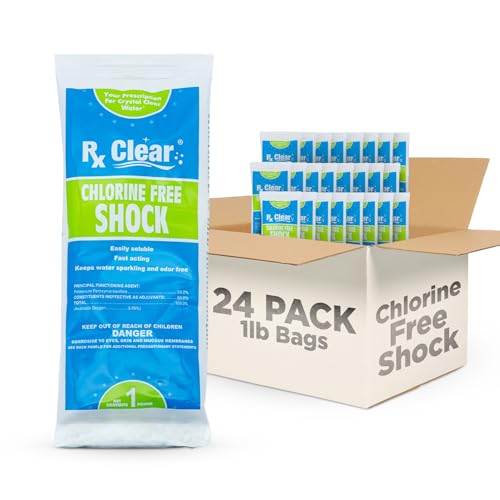
A powerful oxidizing agent that eliminates combined chlorine (chloramines) and provides higher free chlorine levels. Ideal for use with chlorine or bromine-sanitized applications, weekly maintenance, and will not affect other chemical levels
On the other hand, use chlorine shock after a heavy rain or after a lot of swimmers to clear up cloudy water or kill algae. Just be sure to balance your pH before shocking to help your shock work more effectively. Shock can change your chlorine and pH levels, so be sure to retest your water after shocking.
I already have the handbook data from our previous searches. Let me verify the calcium hardness range the article uses and the alkalinity claim.
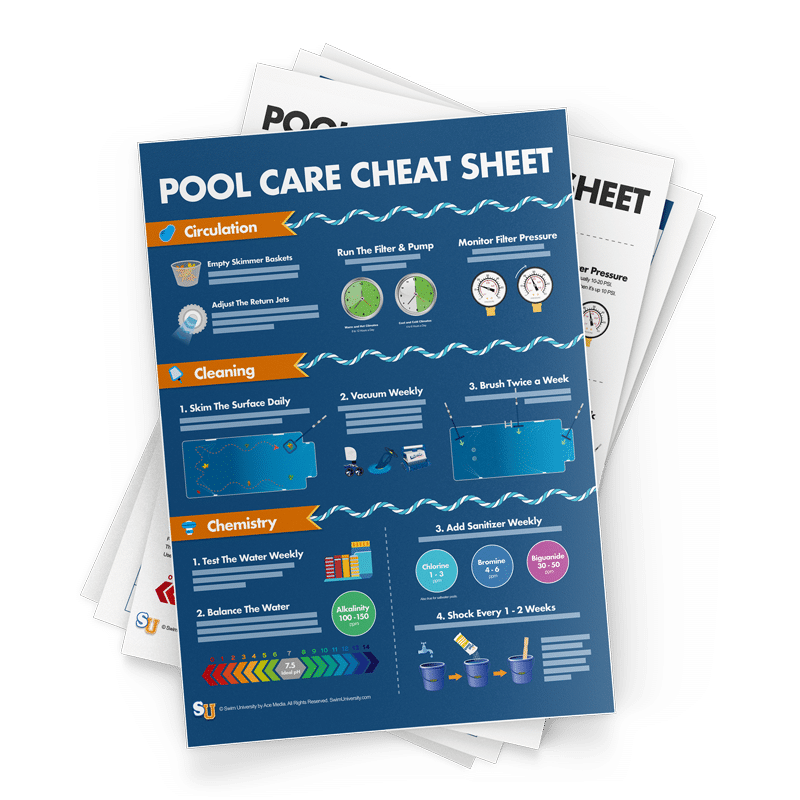
The article states total hardness should be between 175–275 PPM, alkalinity 80–120 PPM, free chlorine 1–3 PPM (3 ideal), pH 7.4–7.6, and CYA 30–50 PPM.
Cross-referencing against The Pool Care Handbook:
- Alkalinity: Article says 80–120 PPM. Handbook says 100–150 PPM. Same discrepancy as the other article.
- Calcium hardness: Article says 175–275 PPM as a single range. Handbook breaks it down: 175–225 PPM for vinyl/fiberglass, 200–275 PPM for concrete/plaster. Since most above ground pools are vinyl liner, the article’s upper bound of 275 is technically the concrete/plaster range and could mislead above ground pool owners.
- Free chlorine, pH, CYA: All match the handbook.
Here are the key takeaways:
Key Takeaways
- Test your above ground pool water at least once a week using test strips or a liquid test kit. Test more often after heavy rain, lots of swimmers, or when you’ve added fresh water.
- Always add chemicals in this order: alkalinity first, then pH, then chlorine. Each level affects the next, so balancing them in sequence helps every chemical work properly.
- Your weekly targets are pH between 7.4 and 7.6, free chlorine between 1 and 3 PPM (3 PPM is ideal), and cyanuric acid between 30 and 50 PPM. If you use trichlor tablets or dichlor granules, they already contain CYA, so you can skip adding stabilizer separately.
- If you drain and refill your above ground pool each year, you don’t need to worry about adjusting calcium hardness. It causes damage over time, not overnight.
- Keep your pump and filter running when adding chemicals, wait at least 20 minutes between each one, and never mix chemicals together outside the pool.
- Shock your pool weekly with a non-chlorine oxidizer for regular maintenance. Use chlorine shock after heavy use, rain, or to fight algae and cloudy water.