

The Truth About Using Pool Algaecide
 Matt Giovanisci
  March 14, 2026
 You wake up one morning, and your pool has gone from crystal clear to green and cloudy. Maybe someone forgot to wash their swimsuit, or you let your pool chemistry slip while you were on vacation. It happens to the best of us, don’t worry. Whatever the cause, you now have to rid your pool of algae.
No problem, you might think. I’ll just get an algaecide. But before you reach for this particular pool chemical, ask yourself: Is algaecide really the best way to get rid of algae? Despite the name, the answer is probably not.
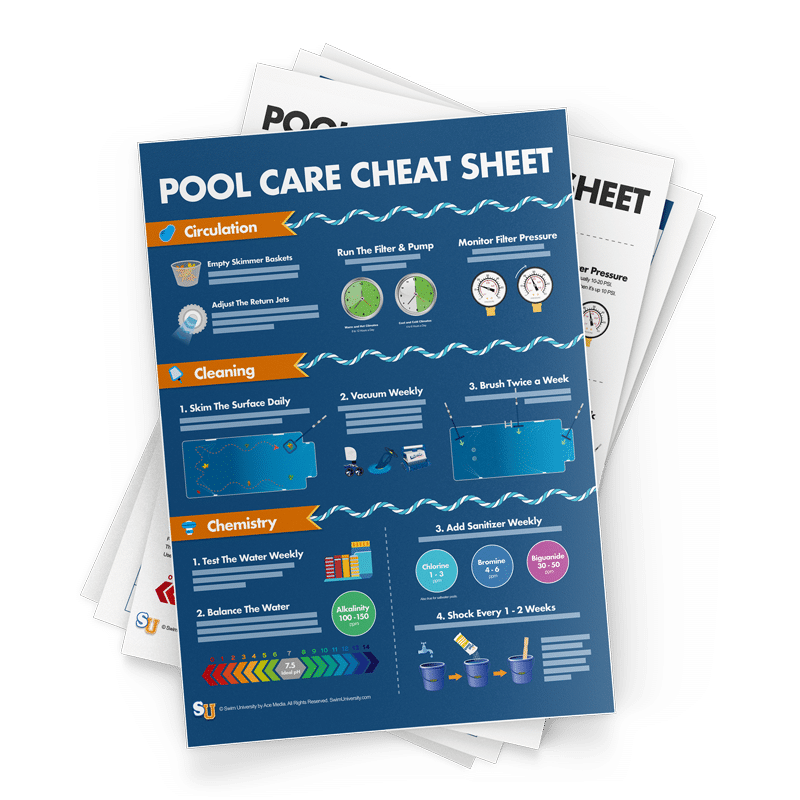
This is the ultimate guide to keeping your pool sparkling clean throughout the year that contains everything you need to know about taking care of your pool the right way. Including saltwater pools.
What is Pool Algaecide?
It may surprise you to learn that algaecide isn’t a magic bullet for getting rid of algae in your pool. In fact, algaecide is more effective as a preventive measure than a treatment. Don’t get us wrong—it still helps as an algae treatment, just not in the way you might think.
How Pool Algaecide Works
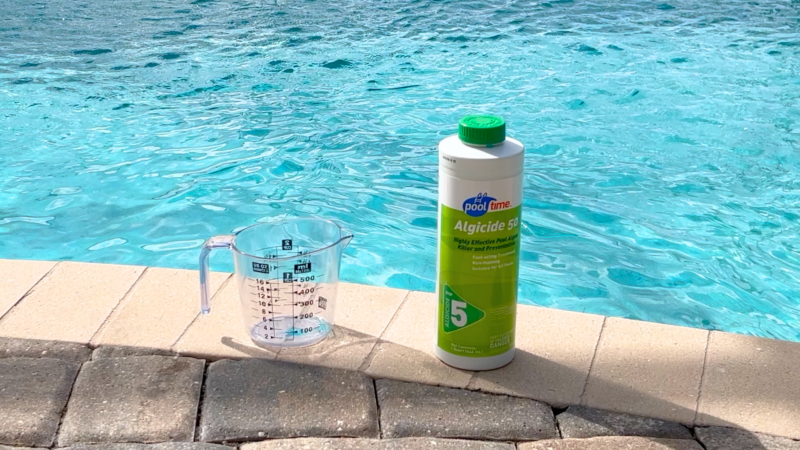
Many algaecides are copper-based—either made of copper sulfate or copper chelates, which are chemical compounds with a metal as the central atom. A few registered algaecides instead use the herbicide endothall or sodium carbonate peroxyhydrate.
These chemicals all disrupt algae’s regular cellular processes, although research hasn’t really explained exactly how they accomplish that. It may be they disrupt energy transport or algae cell division, or maybe they inhibit the synthesis of new cell proteins, which are crucial for cell survival.
Essentially, we know algaecides work—to some degree—but the reason why they work is still unclear.
It’s important to note that if you live in an area that has high metal content, and you’ve filled your pool with that water, you could be risking oxidation, which can stain your pool. Adding even more copper in the form of algaecide can speed this process.
If that’s the case, look for a copper-free algaecide to help protect your pool surfaces.
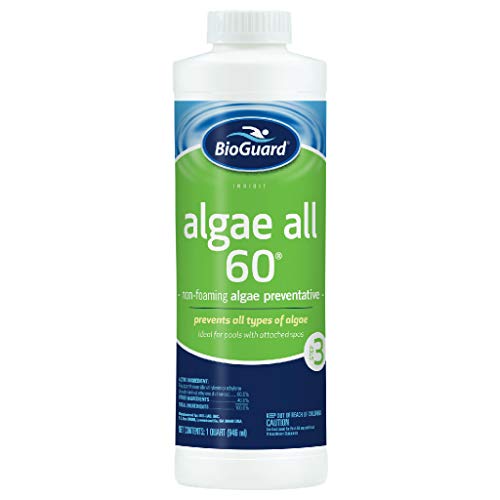
A copper-free algaecide to help prevent your pool from turning green.
The Only Pool Algae You Need to Worry About
The most common types of pool algae you’ll see and hear about are:
- Green algae: By far, the most common, especially if you forget to wash your swimsuit after a dip in a lake.
- Yellow or mustard algae: Much rarer, but it’s a persistent and particularly annoying uninvited pool guest.
- Black algae: The toughest type of algae to get rid of.
- Pink algae or pink slime: Technically bacteria, but is often mistaken for algae thanks to its slimy appearance.
Your Best Weapon Against Green Pool Water
So here’s the main thing you need to know about pool algae. Chlorine—yep, your typical sanitizer—is much more effective at killing algae than algaecide is. Even if your water gets cloudy and your walls get slimy, chlorine can still kill it.
That’s because chlorine oxidizes bacteria and single-celled algae, which means they trade electrons. It doesn’t sound like much, but this trade of minuscule particles has a huge effect on algae cells. The oxidized cell walls rupture, which causes the loss of vital nutrients and halts both growth and replication processes.
So as long as you maintain your pool chemistry—that means 3 parts per million (ppm) for chlorine, 3 ppm to 5 ppm for bromine, or 30 ppm to 50 ppm for biguanide, in addition to balanced pH levels—you shouldn’t have to worry about algae growth.
Shock Your Pool
If your pool gets infected by an outside source, shocking your water like it’s your full-time job between intense scrub-downs will usually get rid of the problem. Algaecide can help speed this process along, but it’s not entirely necessary to rid your pool of algae.
Unless, of course, you’re dealing with chlorine-resistant algae like mustard algae or black algae. This is one of the few times you may need to consider using an algaecide. But even then, it should be used in addition to chlorine or other sanitizers, not instead of them.
Pool Shock Calculator
Select your water color and enter your pool’s volume to find out how much cal-hypo shock you need to kill algae. You can also download The Pool Care App for more features.
Teal Green
Double dose
Green
Triple dose
Dark Green
Quadruple dose
Algae Prevention is Easier Than Treatment
Regularly checking and maintaining your pool chemistry is the number one way to prevent algae from taking root in your pool. The second-best prevention method is to reduce the chances of outside contaminants invading your pool water.
That means if you've recently been in the ocean, natural lakes, or natural rivers, you absolutely, positively need to throw your swimsuits in the washing machine for a good cleaning.
And if you brought your usual pool toys along, they also need to be sanitized before you put them back in the pool. That means using a bleach solution or bleach-based cleaner to ensure no errant algae is transferred to your pool.
If you live near a natural body of water where you regularly swim, it might not hurt to use algaecide in your pool as an additional precautionary measure. If it's a particularly sunny day—algae loves sunlight—adding a preventive dose in the morning might reduce your risk of an algae bloom. Some algaecide manufacturers list prevention instructions first on their packaging, since it could be an effective use of the product.
Off-Season Pool Protection
One time when you really do want to add algaecide to your pool is when you close it. Your pool is going to sit covered and unused, probably for months, and that dark, humid environment is just prime for algae to move in while you're not looking.
Whether you're closing an inground pool, or winterizing your above ground pool, make sure algaecide is on your list of essential closing supplies.
Pool Alagecide As An Insurance Policy
Algae happens, but you usually don't need an algaecide to get rid of it. Keeping your water chemistry clean and well-balanced will prevent growth in most cases, while superchlorination with pool shock can handle minor and common infestations. In fact, algaecides usually require a shock treatment before application anyway.
So, unless you're dealing with mustard algae or black algae, leave the algaecide on the shelf and get ready to shock the heck out of your pool. But when dealing with regular ol' green pool algae, chlorine is your best bet to kill it dead.
Key Takeaways
- Pool Algaecide works better as a preventive measure than a treatment. It won't completely kill a large algae bloom on its own.
- Chlorine is your best weapon against pool algae. Maintaining levels at 3 ppm and shock treating when needed will handle most algae problems.
- Use a copper-free algaecide (like a 60% polyquat formula) if your water has high mineral or metal content to avoid staining your pool surfaces.
- The best time to use algaecide is when closing your pool for the off-season. That dark and humid environment under a winter cover is prime for algae growth.
- For stubborn algae like mustard or black algae, use algaecide alongside chlorine and shock treatment. Never use it as a replacement for your sanitizer.
- Wash swimsuits and sanitize pool toys after swimming in natural bodies of water. Outside contaminants are one of the most common causes of pool algae.
3 Ways We Can Help With Your Pool
- The Pool Care Handbook: An illustrated guide to DIY pool care, including water chemistry, maintenance, troubleshooting, and more.
- The Pool Care Video Course: You’ll get 30+ step-by-step videos and a downloadable guide with everything you need to know about pool maintenance.
- The Pool Care App: Enter your water test results. Get a custom treatment plan. Know exactly what chemicals to add to keep your pool clear.