

How to Remove Pollen From Your Pool
 Matt Giovanisci
  March 18, 2026
 Pollen season can feel relentless, and keeping it out of your pool water takes real effort. But the good news is that you don’t need any fancy equipment to remove pollen from your pool.
Here’s how to identify pollen in your pool, remove it step by step, and keep it from taking over your water.
This is the ultimate guide to keeping your pool sparkling clean throughout the year that contains everything you need to know about taking care of your pool the right way. Including saltwater pools.
What Does Pollen in a Pool Look Like?
Pollen in a pool can look a lot like mustard algae, which is also yellow. Here’s the easiest way to tell them apart: grab your pool brush and gently disturb the yellow substance. If it swirls around and eventually settles back down, it’s pollen. If it forms a cloud that disperses through the water, you’ve got mustard algae.
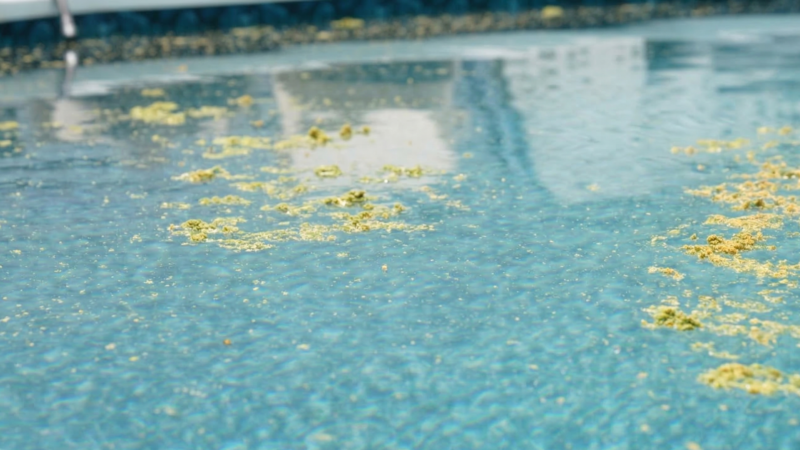
Location is another clue. Pollen floats on the surface or forms a thin, powdery layer on the pool floor. Mustard algae clings to walls and shady surfaces, and it keeps coming back to the same spots even after brushing.
If you’re dealing with mustard algae and not pollen, check out our guide on How to Get Rid of Mustard Algae.
How to Remove Pollen From Your Pool
The best way to remove pollen from your pool is with filtering and fine-mesh skimming. Here’s how to do it.
1. Run Your Filter Continuously
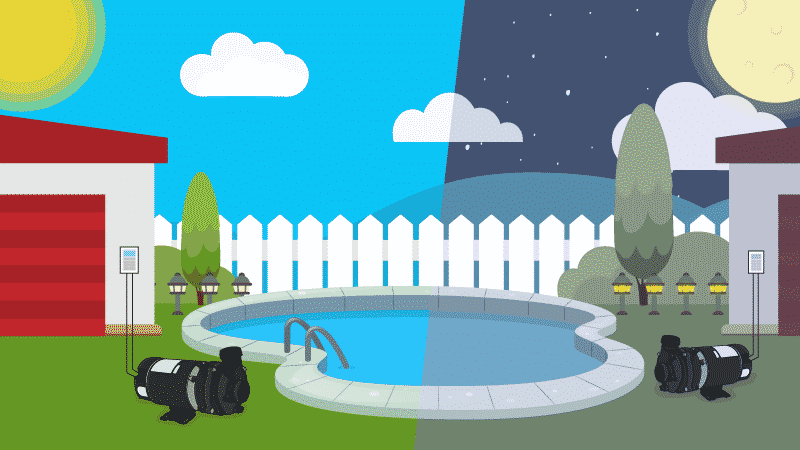
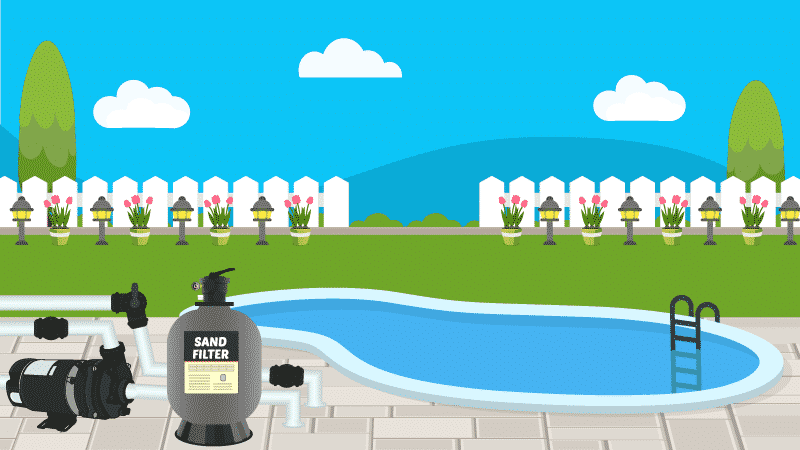
Your filter is your first and best line of defense against pollen. Run it 24/7 during peak pollen season. Pollen particles are tiny and can clog your filter quickly. Check your pressure gauge often. If it reads 10 PSI above your normal baseline, it’s time to backwash your sand or D.E. filter or clean your cartridge.
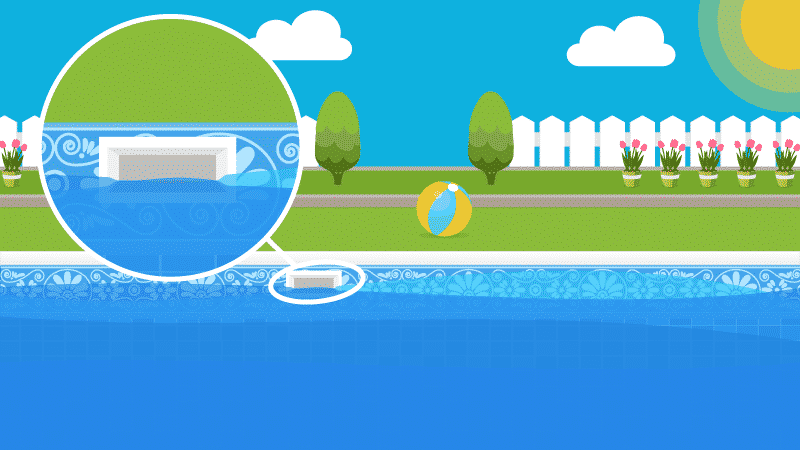
2. Use a Skimmer Sock
Add a skimmer sock to your skimmer basket before doing anything else. Skimmer socks catch fine pollen particles before they reach your filter, which reduces clogging and makes the whole process easier.
Check the sock every other day and swap it out when it looks dirty. A clogged skimmer sock restricts water flow, so don’t let it sit too long.
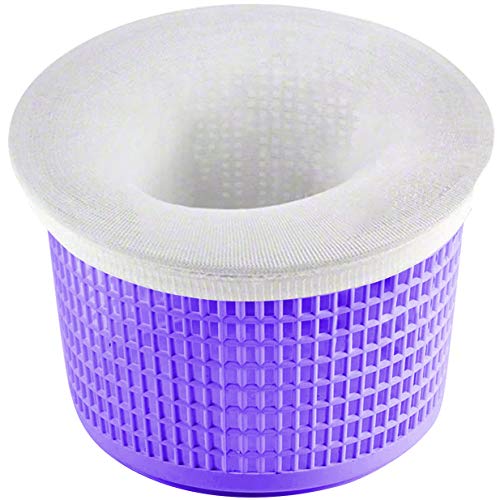
Designed to fit most pool skimmer baskets, it offers a protective layer to prevent pump impeller and shaft seal damage by trapping leaves, grass, hair, and other debris.
3. Skim With a Fine Mesh Net
Pollen tends to accumulate overnight, so catching it early prevents it from settling to the bottom. So skim your pool surface every morning during pollen season.
A regular skimmer net won’t cut it here. You need a fine mesh leaf net to capture the tiny pollen particles. Standard nets have gaps that are too large, and most of the pollen will pass right through.

It's a deep and durable leaf net pool skimmer that can collect a lot of debris all in one skimming. It also includes a lifetime guarantee. This is what the pros use!
4. Brush the Walls and Floor
Once you’ve skimmed the surface, brush your pool walls and floor. This dislodges any pollen that has settled on surfaces and gets it floating in the water where your filter can grab it.
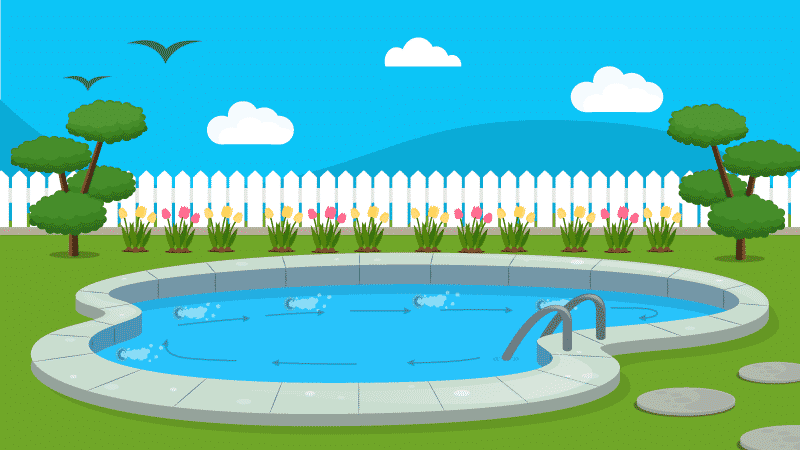
Brush toward the main drain if you have one. This helps move loosened pollen into the circulation system faster.
5. Add a Clarifier or Flocculant
Some pollen particles are so fine that your skimmer and filter can’t catch them on their own. That’s where a clarifier or flocculant comes in. Both work by clumping tiny pollen particles together so they’re easier to remove.
Clarifier is the easier option. It works with any filter type and requires no manual vacuuming. Just add it to the water and let your filter do the work. It takes a few days to fully clear the water, but it’s low effort. Check out our guide to pool clarifiers if you’re not sure how to use them.
Flocculant works faster and is more powerful. It causes particles to clump together and sink to the pool floor within hours. The catch is that you’ll need to manually vacuum the settled debris on your filter’s waste setting.
If your pollen problem is mild to moderate, go with a clarifier. If you have a heavy buildup and want faster results, use flocculant as long as you can vacuum on the waste setting.
6. Shock the Pool
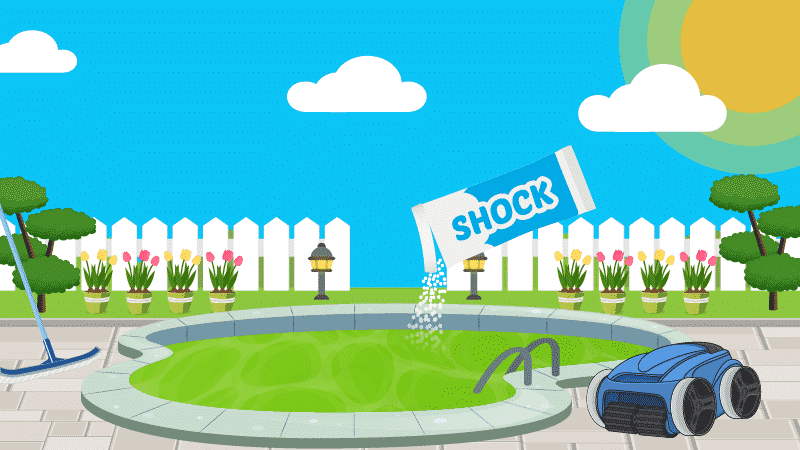
Pool shock won’t remove pollen, but it will kill anything that has grown because of it. Pollen is an organic material that uses up your chlorine. Low chlorine levels can fuel algae growth, especially if the water is warm.
After removing as much pollen as possible, shock your pool. Add shock in the evening and run your filter overnight. The next morning, skim the surface to remove any remaining debris. Use a chlorine-based shock for best results. Here’s our guide on How to Shock a Pool if you need help.
7. Vacuum as a Last Resort
If pollen has really built up and skimming isn’t enough, vacuum your pool manually. This is the most labor-intensive step, so save it for when nothing else has worked. But you may have already vacuumed if you decided to use flocculant earlier.
Keep in mind that vacuuming on the waste setting will lower your water level. Have a garden hose ready to top off the pool as you go.
Does Chlorine Remove Pollen?
Chlorine will not physically remove pollen. Chlorine is a sanitizer that kills bacteria and other living organisms. Pollen is organic material, but it isn’t alive, so chlorine won’t remove it from your water.
What chlorine does do is work overtime trying to break down pollen, just like it does with leaves, body oils, and other organic debris. That means pollen drains your chlorine levels, leaving less sanitizer available to do its actual job. If pollen sits in warm water long enough, it can also fuel algae growth, making your pool much harder to maintain.
So while shocking your pool is an important part of the cleanup process, it won’t clear pollen on its own. You still need to skim, brush, filter, and use a clarifier or flocculant to physically remove it.
Key Takeaways
- Shock your pool to kill bacteria and algae that might have grown because of low chlorine levels.
- Start with your filter. Run it continuously during pollen season and check the pressure gauge daily. Clean or backwash it when pressure rises 10 PSI above baseline.
- Use a skimmer sock. It catches fine pollen before it reaches your filter. Check it every other day and replace it when dirty.
- Skim every morning with a fine mesh net. A standard skimmer net won’t capture pollen particles. Use a fine-mesh skimmer net instead.
- Brush walls and the floor to loosen settled pollen and push it into circulation.
- Use a clarifier or flocculant to clump tiny particles together. Clarifier works with any filter and needs no vacuuming. Flocculant is faster but requires manual vacuuming on the waste setting.
3 Ways We Can Help With Your Pool
- The Pool Care Handbook: An illustrated guide to DIY pool care, including water chemistry, maintenance, troubleshooting, and more.
- The Pool Care Video Course: You’ll get 30+ step-by-step videos and a downloadable guide with everything you need to know about pool maintenance.
- The Pool Care App: Enter your water test results. Get a custom treatment plan. Know exactly what chemicals to add to keep your pool clear.